En
En
 10 min read
When you start a dropshipping business, you might wonder if you need a mentor to help you succeed. There are many resources available, from personal mentors to mentor apps, and the choices can feel overwhelming. This article will explore what a dropshipping mentor is, whether you really need one, and if apps can offer similar support to help grow your business.
What is a dropshipping mentor?
A dropshipping mentor is an experienced person in the dropshipping industry who has run a successful dropshipping business. They provide guidance, share their experiences, and help you avoid common pitfalls in the entrepreneurial journey. Many dropshipping mentors are not just successful entrepreneurs; they also teach, write books, or offer courses to help others succeed.
The role of a dropshipping mentor usually includes:
● Helping you choose the right products
● Offering advice on selecting suppliers
● Managing customer service
● Providing marketing and business growth strategies
● Identifying market trends and potential risks
While many dropshipping resources are personal stories from successful entrepreneurs, a true mentor offers personalized advice and guidance based on your goals and challenges.
Do I really need a dropshipping mentor?
The short answer is: Yes, a dropshipping mentor can be very valuable, but it’s not the only path to success.
Starting a dropshipping business without a mentor can be challenging. You might struggle with choosing the right products, understanding market demand, or managing your store. An experienced mentor can offer useful advice, give feedback on your business strategies, and help you avoid unnecessary losses. However, mentors are not the only way to succeed. While they provide valuable insights, your success ultimately depends on your own efforts. It’s also important to note that not every industry or product is suitable for dropshipping, and a mentor can help you figure out if there are viable opportunities.
With a mentor, you can:
● Avoid common mistakes: A mentor helps you avoid rookie errors, such as picking unreliable suppliers, wasting money on ineffective marketing, or missing market trends.
● Increase efficiency: An experienced mentor can speed up your growth, reduce trial-and-error costs, and help you find the best products and markets faster.
● Get personalized feedback: Mentors provide tailored advice based on your specific situation, whether it’s optimizing your ads or improving customer service, helping you refine your strategy more precisely.
Dropshipping Mentors to Consider
Here are some well-known dropshipping mentors with rich experience who can provide valuable guidance:
Franklin Hatchett
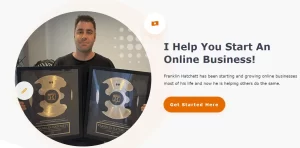
Franklin Hatchett is an e-commerce expert from New Zealand, well-known for his successful experience and teaching in the dropshipping field. His online courses and YouTube channel have attracted many aspiring entrepreneurs.
Through his courses and videos, Franklin shares step-by-step instructions on how to build a dropshipping store from scratch. He goes in-depth on topics like product research, market selection, and effective promotion strategies, especially focusing on Facebook and Instagram ads. His content is ideal for those who want to quickly get started and achieve success in the dropshipping business.
Click to learn more: https://franklinhatchett.com/
Ricky Hayes

Ricky Hayes is the founder of Ecom Warriors and a successful e-commerce and dropshipping mentor, widely recognized for his experience in building successful dropshipping stores on Shopify.
He offers an in-depth Shopify dropshipping training program, focusing on helping people build stores from scratch, optimize product listings, and drive traffic using Facebook ads. His teaching style is direct and hands-on, making it ideal for those seeking efficient, results-oriented training.
Click to learn more: https://www.youtube.com/c/RickyHayes
Ezra Firestone
Ezra Firestone is a well-known figure in the e-commerce world, with extensive experience in dropshipping and digital marketing. His training courses are designed to help e-commerce entrepreneurs achieve long-term success through dropshipping.
Ezra provides in-depth lessons on customer acquisition, building sales funnels, brand development, and ad optimization. His content is ideal for dropshippers who aim to build a sustainable business and stable income through long-term brand development.
Click to learn more: https://smartmarketer.com/
Cody and Lacey (Founders of Dropshipping Titans)
Cody and Lacey are the founders of Dropshipping Titans, and through their e-commerce experience, they have helped countless entrepreneurs achieve success in the dropshipping business. Cody made over $1 million in revenue starting from scratch with dropshipping in 2016.
They offer comprehensive dropshipping training, covering every aspect from product selection to managing ads and the supply chain. Their training focuses on how to achieve long-term, sustainable growth, and their courses include strategies for finding profitable markets and using data analysis to improve business decisions.
Click to learn more: https://www.dropshippingtitans.com/
Do I really need a dropshipping mentor?
Deciding whether or not you need a dropshipping mentor isn’t a simple “yes” or “no” question. To help you better understand if you should seek a mentor, here are five key questions to consider:
1.Do I have a clear understanding of the basic dropshipping process?
If you already have a solid understanding of how dropshipping works—such as choosing products, working with suppliers, and managing orders—and can handle things independently, you may not need a mentor right now. Many beginners are unfamiliar with the core aspects of dropshipping and can easily get confused. In this case, a mentor can provide valuable knowledge, helping you quickly grasp the basics and avoid mistakes.
2.Am I confused about product selection, supplier choice, or market positioning?
If you often feel uncertain when choosing products, aren’t sure which ones have potential, or struggle to select suppliers, a dropshipping mentor can offer expert advice. Mentors typically have extensive industry experience and can guide you in making informed decisions based on market trends and supplier backgrounds. They not only help you find the right suppliers but also teach you how to select profitable products.
3.Can I independently solve the challenges and problems in my dropshipping business?
Dropshipping comes with many technical or operational challenges, such as optimizing ads, improving conversion rates, or handling customer complaints. If you feel overwhelmed or unsure of how to tackle these issues, a mentor’s support becomes invaluable. They can offer practical solutions tailored to your specific problems, helping you break through bottlenecks and move forward.
4.Am I willing to invest time and effort into learning and experimenting?
If you’re passionate about self-learning and are willing to spend time researching and improving your skills, you may not necessarily need a mentor. Many successful dropshippers have figured things out by experimenting and learning on their own. However, if you want to minimize trial-and-error costs, shorten your growth curve, or simply don’t have enough time to dedicate to research and experimentation, a mentor can help you avoid many mistakes and speed up your progress.
5.Am I ready to accept external feedback and adjust my approach based on guidance?
A good dropshipping mentor will not only provide feedback but also help you adjust your strategy and action plan. If you’re open to constructive criticism and willing to make changes based on external advice, a mentor can significantly boost your success. Mentors offer insights drawn from years of experience, pointing out blind spots and helping you improve. However, if you’re resistant to outside opinions or prefer working independently, you might not need a mentor, or you could find it difficult to follow their guidance.
Core Features of the Dropsure App
1.Product Recommendations
Product selection is one of the keys to dropshipping success. Choosing the right products involves considering market demand, profit margins, and competition. Dropsure leverages big data analysis to intelligently recommend high-potential products based on market trends, product popularity, and competition. These recommendations help dropshippers quickly identify trending products, saving time and effort that might otherwise be spent on unprofitable items.
2.Supplier Tracking and Management
A reliable supplier is crucial to the success of dropshipping. Dropsure offers a supplier tracking feature that allows users to view supplier performance and reliability. Users can access each supplier’s history, ratings, and customer feedback to make more informed decisions. This feature helps avoid choosing unreliable suppliers, reducing customer complaints caused by quality issues or shipping delays.
3.Market Analysis
Success in dropshipping is not just about the products—it’s closely tied to understanding market demand and trends. Dropsure’s market analysis tool uses real-time data to help users understand shifts in market demand and consumer behavior. With this data, users can better predict which markets have growth potential and which products may become the next big trend, enabling more forward-thinking decisions.
4.One-on-One Service and Real-Time Advice
Unlike traditional online tools, Dropsure offers one-on-one customer support. Users can engage with a dedicated support team to address specific business challenges. Whether it’s product positioning, ad strategies, or other operational issues, Dropsure’s expert team provides personalized advice to ensure your dropshipping business can thrive and grow.
Conclusion
The traditional mentor model still works for many entrepreneurs, but with the evolution of technology, apps like Dropsure offer a modern, efficient way to receive guidance. The app’s core features, from product recommendations to market analysis, make it an essential tool for anyone looking to succeed in dropshipping.