














 En
En
 12 min read
Did you know that coffee is one of the most widely consumed beverages in the world? In fact, the global coffee market is worth billions of dollars and continues to grow each year. Consumers today aren’t just looking for any coffee – they’re after high-quality beans, unique blends, and convenient ways to enjoy their favorite brew.
As demand for premium coffee rises, more and more entrepreneurs are jumping into the coffee dropshipping business. But here’s the million-dollar question: Is dropshipping coffee really profitable? Can you turn a passion for coffee into a thriving business without the risks of managing inventory?
In this guide, we’ll explore the coffee dropshipping model and help you figure out if it’s a smart business move for you. Let’s dive in!
What Is the Coffee Dropshipping Model
Before we jump into the profitability of coffee dropshipping, let’s first break down how it works.
Coffee dropshipping is a simple, low-risk business model where you sell coffee online without holding any inventory. Instead, you partner with coffee dropshipping suppliers who will handle the product storage, packing, and shipping directly to your customers. When a customer orders a product, your supplier takes care of all the logistics behind the scenes, and you earn a profit without ever touching the product.
This model is great for people who want to start an online coffee business but don’t want to deal with the hassle of inventory management or complex shipping logistics.
One of the best parts of dropshipping is that you don’t need a warehouse or a massive upfront investment. It’s a low-barrier entry into the coffee business that’s scalable, flexible, and simple.
For beginners, using a platform like DropSure can simplify the process even further. DropSure offers a one-stop solution that connects you with trusted coffee suppliers, handles logistics, and ensures that your orders are fulfilled promptly. This allows you to focus on growing your brand while DropSure takes care of the backend. It’s the ultimate tool for getting started with coffee dropshipping.
Why Dropshipping Coffee Is a Profitable Niche
So, is coffee dropshipping a profitable venture? Absolutely – here’s why.
High Repeat Purchase Rate
Coffee is a necessity for millions of people worldwide, and it’s something they consume daily. This creates a high repeat purchase rate, which is great for building long-term relationships with customers. If you provide quality coffee and an excellent customer experience, customers are likely to come back and buy from you again and again.
The chart below illustrates the global coffee market.
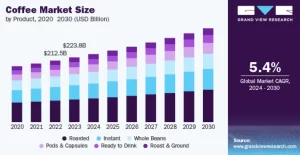
Source: Grand View Research
Market Demand is Diverse
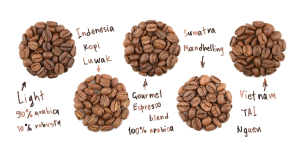
The coffee market is huge and diverse. From specialty beans, organic blends, single-serve pods, to custom subscription services, there are endless ways to cater to different customer tastes and preferences. This diversity opens up numerous opportunities for you to carve out a niche and target specific markets.
For example, you could focus on high-end coffee subscriptions or tailor your offerings to health-conscious customers by offering organic or fair-trade coffee beans.
Low Startup Costs
One of the biggest advantages of dropshipping coffee is the low startup cost. You don’t need to buy inventory upfront or worry about warehousing. All you need is a website and a reliable supplier. The overhead costs are minimal compared to traditional retail models, and you can scale your business quickly as you gain customers.
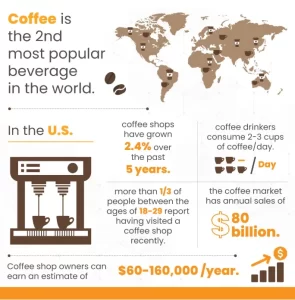
Source:Korona Pos
How to Dropship Coffee Successfully?
Now that we’ve covered the basics, let’s talk about how to run a successful coffee dropshipping business. Here are the key steps to get you started:
Understand Your Target Market
Before you dive into selling coffee, it’s essential to understand who your customers are and what they want. Are they coffee aficionados looking for unique, gourmet blends? Or are they busy professionals searching for fast and easy coffee solutions?
Take the time to research coffee preferences, trends, and what sets your potential customers apart. This will help you tailor your product offerings to meet their needs and build a loyal customer base.
If you’re looking to understand coffee consumer preferences and trends, the following online tools will be really helpful in getting the latest data and insights. Let’s take a look!
1. Google Trends(https://trends.google.com/trends/)
Google Trends is a fantastic tool that lets you check and compare the search trends for coffee-related keywords. For example, you can see how the terms “specialty coffee” or “single-serve pods” are trending over time. It will tell you where people are more interested in coffee, offering valuable market insights.
2. Statista(https://www.statista.com/)
If you need more detailed statistics and market analysis, Statista is an invaluable resource. It provides a wealth of reports about the global coffee market, such as coffee consumption trends by age group or region. The data here is super helpful in understanding consumer changes and preferences.
3. Mintel(https://www.mintel.com/)
Mintel offers in-depth market research reports on the coffee industry. You’ll find the latest trends on coffee flavors, brewing methods, and consumer habits. It’s a great tool for keeping up with changes in the coffee industry.
Choose Reliable Coffee Suppliers
The key to a successful dropshipping business is choosing the right suppliers. A reliable coffee supplier ensures that your customers receive fresh, high-quality products on time. Look for suppliers who offer a diverse range of coffee, from different roasts to unique blends, and who can handle high-volume orders.
Here are some useful tips for choosing reliable coffee suppliers:
1. Check Quality Consistency
Ensure the supplier offers high-quality products consistently. Look for certifications like organic or fair trade for assurance.
2. Evaluate Delivery Times
Choose suppliers with reliable and timely delivery. Test with a small order to check their shipping speed.
3. Offer a Variety of Products
Select suppliers that offer a range of products to cater to different customer preferences (e.g., beans, ground, pods).
4. Consider Pricing
Ensure their pricing allows for a good profit margin. Compare prices to find the best balance of cost and quality.
5. Research Supplier Reputation
Look for positive reviews and testimonials from other businesses to ensure they are reliable.
6. Check Sustainability Practices
Opt for suppliers that prioritize ethical sourcing and sustainability, as these values resonate with modern consumers.
With platforms like DropSure, you can easily connect with trusted suppliers who specialize in coffee. Their platform makes it easier to find reliable suppliers, ensuring your customers are satisfied with their purchases.
Build Your Unique Brand Identity
In the coffee business, there’s no shortage of competition. To stand out, you’ll need a unique brand identity that resonates with your target audience.

Source:Bruno
Craft a brand story, create engaging packaging designs, and offer a distinct experience that makes customers feel like they’re part of something special. Whether it’s a focus on sustainability or premium-quality beans, building a brand that reflects your values will help you connect with customers and drive sales.
Offer Customization and Personalization
Coffee lovers appreciate options. Give them the ability to customize their orders – whether it’s selecting different grind types or creating subscription plans. Personalizing the customer experience will help foster loyalty and make your brand more memorable.
Optimize Your Online Store
Your website is your digital storefront, so make sure it’s user-friendly. Ensure that it’s easy to navigate, payment is secure, and product descriptions are clear and enticing. It should be easy for customers to make a purchase, and you should also highlight customer reviews and testimonials to build trust.
Promote Your Coffee Brand Effectively
Social media and content marketing are key to growing your coffee business. Share engaging content about coffee brewing tips, the benefits of different coffee blends, or the story behind your coffee beans. Using platforms like Instagram and Facebook, you can engage with potential customers and build a loyal following.
Challenges in Coffee Dropshipping
While coffee dropshipping is a lucrative business opportunity, there are some challenges you should be aware of.
Product Freshness
One of the biggest challenges when dropshipping coffee is maintaining product freshness. Coffee is best enjoyed fresh, and shipping delays or poor storage can affect the quality. This is where working with a reputable coffee supplier becomes essential. Suppliers who focus on high-quality beans and fast fulfillment will ensure that your customers get the freshest coffee.
Shipping Costs and Delivery Times
Shipping costs and delivery times can be tricky, especially if you’re sourcing products from international suppliers. Be transparent with your customers about delivery times and offer tracking information whenever possible.
With DropSure, you can take advantage of partnerships with multiple logistics companies, including USPS, UPS, FedEx, ARMEX, and Royal Mail. This allows you to have a variety of shipping options, ensuring faster delivery times and a smoother customer experience, while minimizing the risk of delays.

Customer Service and Retention
Keeping customers happy is crucial in the dropshipping business. You’ll need to provide excellent customer service, handle returns, and deal with any issues that arise. An efficient customer service system is key to maintaining positive relationships with your clients and ensuring they return.
Is Dropshipping Coffee Worth It?
How much it’s worth to try really comes down to how much effort you’re willing to put in. Coffee is one of those markets where how you look matters—besides just the taste and shipping time, of course. If you slap together a basic shop with a few random products, it’s probably not going to work. But if you take your time to figure out who your customers are and what will grab their attention, you’re already ahead of the game.
Building a strong, cohesive brand is key. And here’s the good news: with platforms like DropSure, you can make logistics a breeze, cut down on costs, and boost your profit margins, making it easier to grow without all the hassle.
So, get creative with your marketing! Stand out, connect with your customers, and watch your business take off. It’s all about making that lasting impression.