< Blogs

What is Zendrop? A Complete Guide to the Dropshipping Platform in 2025

Vivan Z.
Created on December 9, 2024 – Last updated on February 6, 202510 min read
Written by: Vivan Z.

Zendrop 2

As e-commerce continues to grow, entrepreneurs are increasingly looking for ways to streamline their business models and reduce upfront costs. Zendrop, a leading dropshipping platform, offers a powerful solution for online retailers seeking to build and scale their businesses without managing inventory or fulfillment themselves. In this guide, we’ll take a deep dive into Zendrop’s features, how it works, and why it’s becoming a go-to platform for e-commerce sellers in 2025. Whether you’re new to dropshipping or looking to enhance your existing business, this comprehensive guide will help you understand how Zendrop can drive efficiency and growth.
 

What is Zendrop?
Zendrop

Zendrop is an e-commerce platform designed to simplify the dropshipping process for online retailers. It connects merchants with suppliers, allowing them to sell products without needing to manage inventory or handle fulfillment directly. Instead of purchasing large quantities of products upfront, dropshippers can source items from Zendrop’s catalog and have them shipped directly to customers as orders are placed.

Zendrop focuses on providing a seamless experience for both new and experienced entrepreneurs. It offers features such as product customization, private labeling, and automatic order fulfillment, which allow businesses to scale quickly without the logistical headaches typically associated with traditional retail.

Unlike many other dropshipping platforms, Zendrop emphasizes faster shipping times and high-quality suppliers, which is especially important for building trust with customers. With integrations to popular e-commerce platforms like Shopify, WooCommerce, and others, it enables store owners to easily sync products and manage their orders in one place.

Is Zendrop Legit?

One of the common questions about Zendrop is, “Is this legit?” So, let’s clear it up: Zendrop is absolutely legitimate.It has gained popularity in the e-commerce community due to its user-friendly interface, reliable product sourcing, and strong customer support. Zendrop has been operating for several years and has built a solid reputation within the dropshipping industry. Many entrepreneurs use Zendrop to grow their online stores, and there are positive reviews from users across various platforms, such as forums, blogs, and social media.

One of Zendrop’s strengths is its partnerships with verified suppliers, ensuring that products meet quality standards and are shipped on time. This is particularly important in dropshipping, where customer satisfaction depends heavily on product quality and delivery speed. Zendrop also integrates smoothly with e-commerce platforms like Shopify and WooCommerce, making it easier for store owners to manage products and orders without technical difficulties.

Additionally, Zendrop offers reliable customer support through multiple channels, including email and live chat, to help users resolve any issues that may arise. Their pricing structure is clear and transparent, with no hidden fees, and they provide various subscription plans to fit different business needs. The platform is also known for offering faster shipping times compared to many other dropshipping services and provides options for product customization, which enhances the overall customer experience.

How to Use Zendrop

Using Zendrop to start or grow your dropshipping business is straightforward and efficient. Here’s a step-by-step guide to help you get started:

Sign Up for an Account 

First, you’ll need to create a Zendrop account. Visit their website and click on the “Sign Up” button to create an account. You’ll be prompted to enter basic information, such as your name, email address, and a password.

Create an account 1

Connect Your E-Commerce Platform 

After registering, the next step is to integrate Zendrop with your online store. Zendrop supports popular e-commerce platforms like Shopify, WooCommerce, and others. To connect, you’ll follow the provided instructions to sync your store with Zendrop. This allows for seamless order management and product syncing.

connect your store to shopify

Browse and Add Products 

Once your store is connected, you can start browsing Zendrop’s catalog of products. You can search by category, filter products by criteria like shipping times, and view product details. Once you’ve found products that fit your niche, you can easily add them to your store with a click of a button.
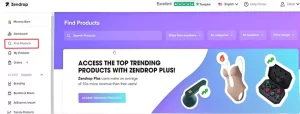
Find Products 3

Customize Your Products 

If you want to build a unique brand, Zendrop offers the option to customize products with your own branding, such as labels or packaging. This is ideal for creating a professional, personalized customer experience.
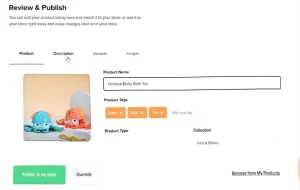
review&publish

Set Your Pricing 

After adding products to your store, you can set your own pricing based on your desired profit margin. Zendrop provides the cost price of each product, and you can decide on the markup you want to apply when selling it to your customers.
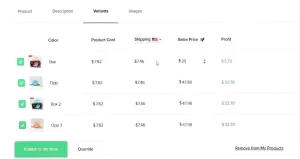
pricing 

Manage Orders and Fulfillment 

When a customer places an order in your store, Zendrop automatically fulfills the order. You don’t need to handle inventory or packaging—Zendrop takes care of everything. You’ll receive notifications as the order is processed and shipped, and you can track the order status through your Zendrop account.
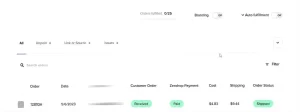
fulfiiled

Monitor Your Sales and Performance 

Zendrop provides analytics and reporting tools so you can track your sales, orders, and performance. This data helps you identify your top-selling products and optimize your business for better profits.

Customer Support and Troubleshooting 

If you encounter any issues or have questions, Zendrop offers customer support via live chat or email. You can contact them for assistance with order fulfillment, product sourcing, or technical problems.

Does Zendrop Ship to the EU?

Zendrop does ship to the EU, making it a viable option for businesses targeting European customers. The platform offers international shipping, including to several European countries, allowing dropshipping entrepreneurs to expand their reach to the European market.

Here is the list of EU countries supported by Zendrop:Countries
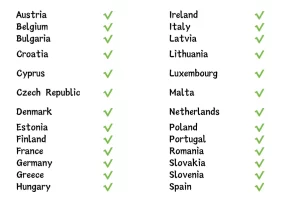
Zendrop works with reliable suppliers who are capable of fulfilling orders to EU destinations, ensuring that products are delivered in a timely manner. The shipping times vary depending on the supplier and product, but Zendrop is known for providing faster shipping options compared to many other dropshipping services. This is particularly important for maintaining customer satisfaction and reducing the risk of late deliveries.

While Zendrop covers a broad range of countries in the EU, it’s important to keep in mind that certain countries may have specific customs or import duties. It’s recommended to be aware of these potential costs, as they may affect the final price your customers pay.

Additionally, Zendrop provides the option to filter products based on shipping location, allowing you to select products that are closer to your EU-based customers, which can help reduce shipping times and improve delivery efficiency.

Overall, Zendrop’s shipping capabilities to the EU make it an excellent choice for dropshippers looking to serve European markets, with the added benefit of faster and reliable fulfillment options.
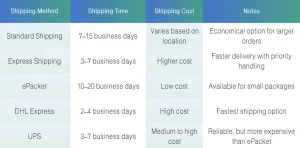
Here is the table with detailed shipping times and costs for Ship to the EU:shipping method cost and time

Note: Shipping costs vary depending on the product, weight, and destination within the EU.

 

Does Zendrop Automatically Fulfill Orders? 


When a customer places an order on your online store, Zendrop takes care of the entire order fulfillment process—from sourcing the product to shipping it directly to your customer.

Here’s how it works:

Order Placement: Once a customer places an order on your e-commerce store (whether it’s on Shopify, WooCommerce, or another platform integrated with Zendrop), the order is automatically synced to your Zendrop account.


Automatic Order Processing: Zendrop’s system automatically processes the order and notifies the supplier to fulfill it. You don’t need to manually place an order with the supplier or worry about tracking inventory. The platform ensures that the supplier has the product in stock and handles the entire order workflow.


Shipping and Tracking: Zendrop then ships the product directly to your customer, using the shipping method selected by the customer during checkout. You’ll receive tracking information, which you can pass on to your customer for transparency.


No Inventory Management: One of the major benefits of using Zendrop is that you never need to deal with inventory. Since the platform automatically fulfills orders directly from suppliers, you don’t have to worry about stock levels, storage, or handling shipments yourself. This allows you to focus on other aspects of your business, such as marketing and customer service.


Custom Branding: If you’ve set up product branding or private labeling through Zendrop, the platform ensures that the product is shipped with your branding and packaging, providing a professional and cohesive experience for your customers.

This level of automation not only saves time but also reduces the risk of human error, making Zendrop an efficient tool for scaling your dropshipping business. The automatic order fulfillment feature is especially valuable for businesses with high order volumes, allowing you to manage your store with minimal manual effort while still offering a reliable service to customers.

Zendrop is evolving as one of the most reliable and efficient dropshipping platforms in 2025, offering everything from product sourcing to custom branding and fast shipping. With its seamless integrations, user-friendly interface, and strong customer support, Zendrop provides the tools you need to run a successful e-commerce business with ease. Whether you’re targeting customers in the U.S., Europe, or other international markets, Zendrop simplifies the fulfillment process so you can focus on what really matters—growing your brand. If you’re ready to take your online business to the next level, Zendrop might just be the solution you’ve been looking for.

Blog Buttom

DropSure is Your Best Partner
22 Years Experience
Affiliate Rebates
100% Quality Guarantee
Top-Up Rewards
10+ Global Warehouses
Custom Branding Support
Smart inventory System
24/7 Customer Support
Get a Quote in 24 Hours
Start Sourcing for Free

Keep Learning

Dropshipping has become a popular business model for entrepreneurs worldwide. With a small initial investment, you can sell products without handling inventory. This makes it an easy way to start a business. But how likely is it to succeed? And what separates successful dropshippers from those who struggle? In this blog, we’ll dive into the dropshipping success rate, why some businesses fail, inspiring success stories, and actionable steps you can take to ensure your own success. By the end, you’ll understand why platforms like DropSure can be game-changers for aspiring dropshippers. What’s the Success Rate for Dropshipping?   Lets start with the numbers. Research shows that the success rate for dropshipping ranges from 10% to 20%. In other words, only 1–2 out of 10 businesses achieve sustained profitability. While that number may seem low, it’s important to remember that success relies on the strategies and industries used. For example: Niche markets, such as eco-friendly products, personalized gifts, and pet accessories, often do better. They meet specific customer needs and trends. On the other hand, oversaturated markets like generic electronics face stiff competition, making it harder to stand out. Understanding these differences can help you make smarter choices about the products you sell and the audience you target. If you have access to data on successful products or niches, use it to guide your strategy. Why Do Dropshipping Businesses Fail?      Dropshipping offers flexibility and low upfront costs, but it’s not without its challenges. To avoid failure, you need to understand the common reasons businesses struggle in this model.   Ineffective Online Marketing Marketing is the backbone of dropshipping. Without strong advertising or a clear social media strategy, it’s hard to drive traffic to your […]

You’ve probably heard the saying: “Price = Cost × 2.” Sounds nice, doesn’t it?But anyone who’s done dropshipping knows — if you really follow that, you’ll basically end up eating dirt. This article will walk you through, step by step: where your profits actually go, and how to calculate a realistic pricing strategy to avoid the nightmare of “the more you sell, the more you lose.” The Cost Components of Dropshipping  Don’t fool yourself into thinking the cost is just what you pay on 1688, AliExpress, or Temu. The real cost = product price + shipping + fees + marketing expenses + returns/customer service + taxes + your own salary/profit expectations. Let’s break it down: Cost Item Example Data (Selling One T-shirt) Product Cost ¥20 (AliExpress cost) International Shipping ¥15 (ePacket or Yanwen small package) Platform Fees ¥5 (e.g., PayPal + Shopify transaction fees) Marketing Cost ¥30 (Facebook ad spend) Returns/After-sales Allocation ¥3 (average 1 return per 10 orders) Other Expenses ¥2 (Shopify subscription, domain, customer service, etc.) Total Cost ¥75 Note: This doesn’t include your profit expectations yet. How to Calculate Your “Bottom-Line Price”   Many people set prices on a whim: “The product cost is ¥30, so I’ll sell it for ¥60. That should be enough to make a profit.” But in dropshipping, this kind of pricing is basically suicidal. Your costs are much more than just the product price — you have shipping, advertising, platform fees, after-sales costs, and more. If you don’t calculate these clearly, you might think you’re making money on a sale, but in reality, you’re losing. So let’s get clear on a crucial concept — the bottom-line price. What is the bottom-line price?The […]

Ever wanted to start an online business but don’t have the budget? Good news—you don’t need one! Dropshipping lets you sell products without holding inventory or spending big on upfront costs. And guess what? You can start for free and still make money! In this guide, I’ll show you exactly how to go from $0 to profit in just 30 days. No paid ads, no fancy tools—just smart product selection, free marketing strategies, and a simple store setup. Ready to build your first dropshipping business without breaking the bank? Let’s dive in! Step 1: Product Selection Hey, haven’t you also heard that product selection is the most important step in doing drop shipping? That’s right! Pick the right, the order is like a snowball more and more; pick the wrong, may not even wait for the first single. Then how in the end to choose? Follow these steps, less detour! Market research: figure out what sells well Don’t be in a hurry to pick the product, first look at what the market likes. If no one buys a product, it won’t sell even if it’s cheap. You can use these free tools to figure out market trends: ●Google Trends (Google Trends): enter the keywords of the product you want to sell and see its search trends. If it keeps going up, congratulations, you’ve found a potential stock! If it’s going up and down, or if it’s going down all the time, go in a different direction. ●Amazon & eBay Hot List: These places are the wind vane of global shopping! See which products are always on the list, and look for suppliers when you’re inspired. ●Social media buzz: Brush up […]

Recommended for you