En
En
 12 min read
What is Shopify?
Simply put, if you compare Amazon to a “buyer’s paradise”, then Shopify is a “seller’s little helper”. It is a platform that specializes in providing sellers with one-stop independent website building services, there is no high threshold, even if you are a zero-code white, you can easily use its tools to build a professional independent website.
If you still think it sounds a bit abstract, why don’t you just go ahead and try it? Sign up for a free Shopify account, open the backend for a spin, or even build a small website yourself to get a first-hand feel for its site-building process, and you’ll be enlightened.
Even better, Shopify offers a 14-day free trial for new users, so you don’t have to pay a dime! Moreover, it has a multilingual backend, which greatly reduces the difficulty of use, especially for global users, and makes the operation smoother and more intimate
What is the Sales Funnel?
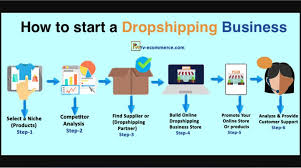
To put it simply, a Sales Funnel is a tool used to understand how a prospect behaves and thinks at each stage of the buying journey. Sound a bit theoretical? No problem, I’ll break it down for you: it’s like a “sieve” that sifts through a lot of passing traffic to find the customers who will actually buy. This thing is very critical to both online and offline business, after all, to understand the psychology of the customer in order to use the right method, say the right words, and finally make money.
For example, on an independent website (whether it’s built with Shopify or WooCommerce), the sales funnel is more like a magical “cash cow”. It helps you “process” the traffic you attract step by step: from following a product to adding it to your cart, from checking out to placing an order, and then filtering through the layers to turn it into revenue. If you understand a little more graphic, is a virtual “banknote printing machine” – traffic thrown in, after a few processes, out is money.

Traffic → Sales Funnel → Orders / Money / Customers
Let’s say it’s like running a “virtual store”.
1. Traffic: Customers coming into the store is like traffic coming in, whether it’s through ads, social media, or search engines, the goal is to draw people in.
2. Sales funnel: this process is like a shopper in the step-by-step guide to customers, such as first let them look at the goods, and then understand the benefits, and finally “urge” them to the cash register. These are sales funnels at work – step by step screening, the interested ones to stay.
3. Order / money / customers: At this point, congratulations! The customer has paid for the order and the traffic is officially converted into revenue or a loyal customer.

Shopify vs Amazon : Which one to choose?
If you compare an Amazon store to renting a store in an upscale mall in the center of town, then a Shopify store is like opening your own supermarket in the village. Sound a bit abstract? Don’t worry, I’ll explain it to you.
Amazon
Imagine your store is in a luxury mall where people come and go, and hordes of customers come in to browse at any given time. Business? No worries! But the problem also comes, next door to a few stores are selling almost the same thing, the price war every day, the profit is squeezed like toothpaste. Decoration of what you say does not count, the shopping mall, even logistics and after-sales service for you to deal with, it is quite worrying. However, you also have to honestly abide by the rules of the mall, not indiscriminate advertising, a little step on the red line, maybe one day your store will be retired. Oh yeah, and mall rent and management fees aren’t cheap.
Shopify
Looking at Shopify, it’s like opening your own supermarket in your village. There’s a lot more freedom! You decide how you want to decorate your store, you can offer discounts and promotions, and you can keep in touch with your customers, send them emails or run promotions, and build up a loyal following of repeat customers. Sounds great, right? But the problem is, there is little traffic in the village, so you have to spend some money on flyers to attract customers. There is no direct price competition in this process, so the profit margin is indeed much larger, but the traffic has to rely on your own “toss” out.
So what’s the difference between a Shopify store opening and an Amazon store opening?

Startup Capital
Amazon
39.99 per month rent, transaction fees up to 15%. You also have to prepare goods and send them to FBA warehouses, and if the goods don’t sell, they will become stock, and the demurrage and marginal costs are all calculated, so the budget for opening a store is not low.
Shopify
$29 per month, less than 2% transaction fee, and about 9% if you include payment channel fees. And you can even go without stocking upfront (using Dropshipping or purchasing when you have an order). But then again, Shopify’s core cost is in promotion. If you know how to advertise, it’s an “investment”, but if you’re a novice advertiser, the upfront cost may be more like “tuition”.

Traffic Resources
Amazon
According to eMarketer, more than half of U.S. households are Amazon Prime members, while another figure shows that the percentage is as high as 82 percent! Doesn’t that sound a little scary? These Prime members aren’t just browsing around, they’re higher quality, more powerful customers. As a seller, you directly benefit from this “high-end customer resource”.
Opening a store on Amazon is like dancing directly on the shoulders of giants. The traffic is there, but to dance beautifully and attract buyers, it depends on your operational efforts.
Shopify
In contrast, Shopify’s business model dictates that it can’t directly provide you with ready-made traffic like Amazon. If you want to do well in a Shopify store, you’ll have to do it yourself.
Whether it’s placing Facebook ads, doing Google Shopping, doing SEO, working with celebrities, publishing social media content, or even shooting short videos to drive traffic, you have to do it all yourself, spending time, energy, and budget to “grab” the traffic. This puts forward higher requirements for Shopify sellers: not only do they need sufficient financial support, but they also need to master the skills of traffic operation, and even need a little creativity and patience.

The Competitive Landscape
Amazon
Amazon’s competitive environment is like a “hard-hitting” tournament, and it’s straightforward and intense.
Not only do you have to deal with the “pimple” players that follow you, but you also have to watch out for the big sellers on the platform that have a lot of money.
Not to mention, the “Super Boss” of Amazon Self-service, once you focus on your products, it is really “God blocking to kill God, Buddha blocking to kill Buddha”.
A phrase to describe the competitive environment of Amazon: if you don’t fight hard, you’re out of the game!
Shopify
In contrast, Shopify’s competition is more like a “traffic war”, the battlefield is spread out especially: You need to grab Facebook ad space, Google search results page display space, and various circles of traffic resources.
Although the battlefield is scattered, but there are also many problems, such as the face of Amazon, eBay, Sell-through, Wish and other large platforms of traffic pressure, you also have to fight for exposure opportunities.
Shopify’s competitive environment can be summarized as follows: the territory is large, but the enemies are on all sides and cannot be defended!
Money Transfers
Shopify
Shopify is a “fast player” when it comes to cash flow. As soon as a customer pays, the money goes to your PayPal or credit card account almost instantly, and withdrawals to your RMB account can be done in about 7 days. What does this mean? You get your money back faster, your turnover is efficient, and your business expansion takes off!
Amazon
Amazon is a bit more “Buddhist” in that it has a 14-day fixed lending cycle. Although reliable, but you have to prepare more working capital, after all, the funds on the road, the efficiency will be slower on the beat.

Customer Resources
Shopify
When it comes to customer resources, Shopify’s advantage is quite obvious. It is like helping you build a “private traffic pool” – customers order, e-mail, buying habits and other information can be deposited in your hands. You can directly utilize these data to engage in marketing, such as sending promotional emails, recommending new products, and even establish long-term customer relationships, pulling repeat customers.
Amazon
What about Amazon? Customer resources basically belong to the platform, it is difficult for you to directly reach customers, not to mention the use of these data to operate private domain traffic.

Whether you choose Shopify or Amazon depends on how you want to do business. shopify is more suitable for those who want to build an independent brand: free to design the store, keep more profit, and flexible to play with marketing. Amazon is like a big shopping mall, with its own traffic and trust, especially suitable for the standard sellers, fast out of the single.
Shopify vs Amazon: Comparison Table
| Feature | Shopify | Amazon |
|---|---|---|
| Store Setup | Like opening your own supermarket in a village with full control over design and branding. | Like renting a store in a luxury mall with high customer traffic but limited control over branding. |
| Startup Costs | $29/month, less than 2% transaction fees (up to 9% with payment channel fees). Lower upfront costs with dropshipping or purchasing on order. | $39.99/month, up to 15% transaction fees, plus costs for FBA, inventory, and unsold goods. High upfront budget. |
| Traffic Resources | No built-in traffic; sellers must advertise via Facebook, Google, SEO, or social media. | Large built-in traffic with high-quality Amazon Prime members, but competition for visibility is intense. |
| Competition | Traffic wars spread across various platforms. Sellers compete for ads, search results, and influencer endorsements. | Highly competitive, with direct product competitors and large, well-funded sellers. |
| Customer Resources | Sellers own customer data, enabling private domain traffic operations like email marketing and building customer relationships. | Customer data belongs to Amazon, limiting direct interaction and private marketing efforts. |
| Profit Margins | Higher margins due to no direct price competition. Advertising is a significant cost. | Lower margins due to price wars and competition from similar products. |
| Cash Flow | Faster payouts: funds are available in PayPal/credit card accounts almost instantly, withdrawals in ~7 days. | Slower payouts: 14-day lending cycle, requiring more working capital. |
| Flexibility | Full control over store appearance, promotions, and customer engagement. | Limited control over store design and marketing due to strict platform policies. |
| Scalability | Requires creative and patient efforts to scale through self-driven marketing and traffic acquisition. | Easier to scale due to built-in traffic, but dependent on Amazon’s rules and competitive landscape. |
In fact, both can be chosen! Amazon is used to test the market and make quick profits, and Shopify is used to build the brand and precipitate customers. Paired together, both can grab traffic, but also do long-term development. The key is to take the first step and try before you know which one is more suitable for you!