Created on December 6, 2024– Last updated on February 6, 202514 min read
Written by: Vivan Z.
With the rise of online shopping, Temu and Shein have become top choices for budget-conscious shoppers. These two platforms attract a large number of consumers with their low prices, offering a wide range of products from fashion to electronics. However, while their price advantage is undeniable, Temu and Shein differ in their business models, product quality, logistics, and customer experience.
As 2025 approaches, are you still unsure which platform to choose? In this article, we will deeply compare the key differences between these two platforms, helping you find the best shopping option, whether it’s product variety, pricing, or customer service.
Shein was founded in 2011 by Xu Yangtian in China as SheInside, initially specializing in wedding dresses. In 2015, the company rebranded as Shein and moved its headquarters to Guangzhou in China, with a U.S. office. Since then, Shein has expanded to over 150 countries, employing nearly 10,000 people.
The company’s success lies in its fast response and low-price strategy. Shein uses a made-to-order model, releasing only popular styles to avoid excess inventory. It also attracts customers with discounts and coupons, driving continuous sales growth.
Shein’s key to reaching young, fashion-conscious audiences is influencer marketing. The brand works with both celebrities like Katy Perry and Rita Ora, and smaller influencers, using their reach to expand Shein’s appeal. Many influencers share unboxing videos on TikTok and YouTube, showcasing Shein’s affordable and trendy clothing.
In short, Shein’s combination of low prices, quick production, and influencer collaborations has driven its rapid success in the global market.
Temu launched on September , 2022, as Pinduoduo’s cross-border platform, aiming to offer unprecedented low prices through collective purchasing. Its name, “Team Up, Price Down,” reflects its model of lowering prices when more people buy together.
Headquartered in Guangzhou, China, Temu initially targeted North America but quickly expanded to over 50 countries. It offers a wide range of products, from fashion to electronics, with prices often 90% lower than competitors and free shipping on all items.
Temu’s unique shopping experience encourages sharing and group buying to further lower prices. Its fun and interactive platform, combined with aggressive advertising on TikTok, YouTube, and events like the Super Bowl, has fueled rapid growth and global expansion.
Temu vs Shein: Which One Offers a Better Deal for Customers?
When it comes to budget-friendly online shopping, Temu and Shein are two of the most talked-about names. Both offer a wide selection of trendy items at unbeatable prices, but they have different approaches and offer unique shopping experiences. So, which one is the better choice for you?
We’ll break it down and compare them across the following key aspects.
1. Business Model
Temu
Although Temu and Shein seem similar, their business models are quite different.
Temu operates as an online marketplace, selling products from independent sellers. When you make a purchase, the seller prepares the order and ships it directly to you. This means Temu acts as an intermediary platform, connecting buyers with third-party sellers. This model allows Temu to offer a wide variety of products, but it also means that the platform has less control over product quality and the supply chain, relying on sellers to fulfill orders.
Shein
On the other hand, Shein follows a fast fashion model at lightning speed. It works directly with manufacturers to source and customize its products, then sells them through its platform. Shein not only controls the production of its items but also has strict oversight over design, quality, and pricing. Unlike Temu, Shein does not rely on independent sellers but instead manages its own supply chain for production and fulfillment.
2.Product Range and Quality
Temu
Temu offers a wide range of affordable products across various categories, including not only fashion but also tech gadgets, home decor, skincare, and more. This diverse selection makes it an ideal platform for finding low-cost items. However, since multiple third-party sellers are involved, the quality of products can vary. Some items are praised for their value, while others are criticized for poor durability or craftsmanship. To ensure satisfaction, consumers typically rely on reviews to assess the quality of Temu products and make informed purchasing decisions.
Shein
On the other hand, Shein primarily focuses on affordable fashion and is known for offering trendy clothing. While Shein’s products may not match the quality of high-end designer brands, they are recognized for being a good value for money. The fabric and stitching of Shein’s clothing are reasonable for the price, though some garments may be thinner or wear out more quickly than more expensive alternatives. In the fashion industry, Shein stands out for consistently offering stylish, affordable clothes.
3.Pricing
Temu
In terms of pricing, the winner is clear: Temu! The platform’s biggest appeal is its low prices and the generous discounts available to new users, including sign-up bonuses, app download rewards, and more. Temu offers many enticing deals to attract new customers, making it an ideal choice for budget-conscious shoppers.
The image is sourced from a comment made by a Reddit user.
Beyond the discounts, Temu’s prices are generally very low because the platform works directly with Chinese manufacturers, cutting out the middlemen. This reduces costs and allows Temu to sell products at wholesale prices.
Shein Shein is also known for its affordability, but it’s not cheaper than Temu. Shein’s fashion items are usually priced under $20, and buyers can receive fixed discounts on orders over a certain amount. For example, on Shein, you can buy a PrettyLittleThing dress worth $50 for just $15. Additionally, the platform regularly offers limited-time discount promotions.
4.Shipping Time and Costs
Temu
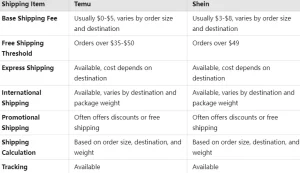
Temu offers a variety of shipping options, from standard shipping to expedited delivery, catering to different customer needs. If you spend a certain amount, standard shipping is free, which is a great way to save money! Shipping times may vary depending on the seller’s location, but most customers report that delivery is fairly quick. Plus, Temu provides order tracking, so you can always know exactly where your package is—completely transparent, no confusion at all.
Most of Temu’s products are shipped from China, and they offer free shipping benefits. Small packages typically don’t incur any shipping or tax fees. Standard shipping usually takes 7 to 15 days, but some lucky customers have received their orders in as little as 6 days. Overall, Temu’s shipping speed is faster than many other platforms that ship directly from China. However, there are exceptions, and some customers have reported delays of up to 3 to 4 weeks. So, it’s a good idea to check reviews before buying to get a sense of the seller’s shipping reliability.
Shein
Shein also offers both free and paid shipping options. However, free shipping tends to be slower, so many customers prefer to pay a little extra for faster delivery. Shein also provides order tracking, so you can stay updated on the status of your package and feel fully at ease.
If you’re in a rush to get your items, Shein’s expedited shipping service is a great option, though it comes with an additional cost. In general, paid shipping is faster than standard shipping, but the exact shipping time depends on the order.
Here is a comparison table of shipping costs between Temu and Shein:
5.Payment Methods
Temu
Temu supports a variety of payment methods, including major credit and debit cards, PayPal, and other digital wallets. This diversity allows customers to choose their preferred payment method and ensures a smooth checkout experience. The platform uses encryption and fraud detection measures to protect customers’ financial information, prioritizing security during transactions. Temu is committed to providing a user-friendly payment process, resulting in a positive shopping experience.
Shein
Shein offers similar payment options, including credit and debit cards, PayPal, and popular digital payment solutions. The payment process on Shein is designed for convenience, making it easy for customers to complete transactions. Like Temu, Shein implements security measures to protect customers’ financial data, providing a secure shopping environment to build trust.
6.Return Policy and Customer Experience
Temu
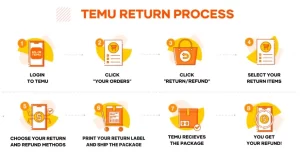
Temu offers various customer support channels, including email and live chat, to help customers resolve issues and answer inquiries. In most cases, Temu is able to address customer needs in a timely manner, but some customers have reported slower response times and problem resolution. This has been particularly noticeable during Temu’s early stages of growth, especially as building a robust customer support system in new markets takes time. Despite this, Temu is continuously improving in order to offer a better customer service experience.
The image is sourced from Temu.
Shein
Shein, on the other hand, is known for its efficient and quick customer service. Customers can reach Shein via email, live chat, or social media, making it easy to resolve various issues. Shein has received widespread praise for the speed and efficiency with which it handles returns and refunds. Many customers have commended Shein’s customer service team for quickly addressing their concerns, which has helped the company build a loyal customer base in the competitive market.
The quality of customer service, especially regarding returns and exchanges, is often a key consideration for consumers when choosing a platform. Temu offers a 30-day return policy for most products, which is fairly common among e-commerce platforms. However, some customers have reported inconsistent service quality during the return and refund process, which has negatively impacted their shopping experience. In contrast, Shein provides a more flexible return policy, allowing most products to be returned within 45 days. Overall, Shein’s customer service is rated higher than Temu’s, although there are still occasional complaints about slow response times.
7.Customization
Temu
Temu does not emphasize product customization. While the platform offers a wide range of products, customers cannot personalize individual items. However, the extensive catalog does provide shoppers with various styles, colors, and designs to choose from. Despite the lack of customization options, Temu’s diverse inventory caters to a variety of tastes and preferences, ensuring that customers can find products that meet their needs.
Shein
In contrast, Shein excels in offering customization options, especially in its fashion category. The platform regularly releases limited-edition products and exclusive designs, giving customers the opportunity to purchase unique items. Collaborations with influencers and designers result in exclusive collections that resonate with specific fashion trends and consumer preferences. This focus on individuality and uniqueness appeals to shoppers looking for standout pieces that reflect their personal style.
Which One is Better?
Both Temu and Shein have carved out their own space in affordable online shopping. Temu offers a wide range of products from independent sellers, perfect for shoppers who enjoy variety. On the other hand, Shein focuses on fast fashion, with more control over production, offering a more consistent shopping experience.
Which platform to choose really depends on what you care about most—whether it’s variety, quality control, or the latest trends. As we move into 2025, both platforms will continue to grow, but one thing is clear: they’ll remain key players in the affordable shopping game. So, whether you’re after the newest fashion items or the best deals, the “winner” really comes down to your shopping goals.
FAQ
How is the Shopping Experience on Temu and Shein?
Shopping on Temu and Shein can be both fun and challenging. Both platforms add an interactive element to shopping through “gamified” experiences, making it more enjoyable. However, since most items are shipped directly from China, delivery times can be long, typically taking a week or more. While both platforms attract consumers with low prices, the quality of products varies, with some items, especially clothing and electronics, being of lower quality. If you receive damaged or incorrect items, both platforms offer return services, though the return process can be cumbersome and costly. As a result, many customers prefer not to return items, choosing instead to discard or donate them.
How Do They Keep Prices So Low?
Temu and Shein both follow a “direct-to-consumer” model, cutting out middlemen to reduce costs. Shein works closely with manufacturers to control production and design, quickly releasing trendy items while lowering inventory costs. Meanwhile, Temu gathers many sellers from China, benefiting from bulk purchasing to lower product prices and reduce operational costs. Both platforms focus on fast production and bulk buying to decrease unit costs, especially in fast fashion. Despite the low prices, product quality may be compromised, particularly for non-branded items, making these platforms attractive to budget-conscious shoppers.
Is Shopping Safe on These Platforms?
Shopping on Temu and Shein is relatively safe, as both platforms use encrypted payment systems to protect personal information and payment data. However, because Temu relies on third-party sellers, there may be weaker control over product quality and service, leading to potential issues with product quality or shipping delays. Shein has stricter management but occasional complaints about slow responses or products not matching expectations. Overall, it is recommended to check customer reviews before shopping, especially when buying from third-party sellers, and to use secure payment methods.


















 En
En
 14 min read