














 En
En
 10 min read
Have you ever found yourself asking, “What is a supplier? What is a manufacturer?” These two terms are thrown around a lot in e-commerce, but they’re not the same. If you’re running a dropshipping business or any online store, it’s important to understand how these roles work and how they impact your business. Let’s break it down step by step.
What Is a Supplier?
A supplier acts as the middleman between manufacturers and businesses. They don’t make the products—they buy them from manufacturers and sell them to businesses like yours. Suppliers are essential because they provide ready-made products, saving you the hassle of dealing with raw materials or production.
Why Are Suppliers Important?

Suppliers make your life easier. They usually carry a wide range of products, so you don’t have to work with multiple manufacturers. For example, if you’re selling yoga equipment, a supplier could provide yoga mats, straps, and blocks all in one place. This makes the process faster and more efficient.
Suppliers are especially useful for businesses that need small quantities or a variety of products. They also simplify inventory management since you can restock quickly without long production times.
What Is a Manufacturer?
Manufacturers are the creators of products. They take raw materials and turn them into finished goods. Think of them as the foundation of the supply chain. Without manufacturers, there would be no products for suppliers to distribute.

Why Work with a Manufacturer?
Manufacturers are ideal if you want custom products or plan to order in bulk. For instance, if you want yoga mats with your logo or a specific design, a manufacturer can make it happen. They allow you to control the quality, materials, and overall design of your product.
However, working with manufacturers comes with its challenges. You’ll usually face higher minimum order quantities, and the production process can take weeks or even months. Plus, you’ll need to manage shipping and logistics, which can get complicated.
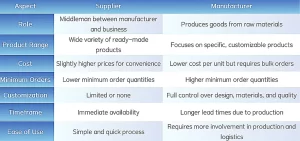
Key Differences Between Manufacturer and Supplier
Now that you know what suppliers and manufacturers do, let’s compare the two.
When Should You Choose a Supplier?
Suppliers are the best choice if:
• You’re starting small and don’t want to order in bulk.
• You need a variety of products without dealing with multiple sources.
• You want quick restocking to keep your inventory flowing.
For example, if you’re running a dropshipping business, a supplier can help you access ready-to-sell products without any upfront costs for manufacturing.
When Should You Choose a Manufacturer?
Manufacturers are better if:
• You want to create a unique product with your branding.
• You’re ready to order in bulk and can handle larger investments.
• You want control over every detail of your product.
For instance, if you’re building a brand and want custom packaging or unique features, a manufacturer is the way to go.
How Do I Find a Supplier for My Product?
Finding the right supplier for your product is crucial, especially if you’re running a dropshipping business or sourcing products for your online store. A good supplier ensures reliable delivery, quality products, and smooth communication. Here’s how you can find one:
1. Use Online Directories
Online directories are a goldmine for finding suppliers. They let you browse thousands of suppliers by product type, location, or rating. Popular options include:
•Alibaba: A giant platform connecting businesses to suppliers worldwide. Great for bulk purchases.
•SaleHoo: Focused on dropshipping and wholesale suppliers.
•Oberlo: Ideal for dropshipping with easy Shopify integration.
When searching, always check the supplier’s reviews, ratings, and certifications. Many platforms also allow you to chat directly with suppliers to discuss terms and product details.
2. Attend Trade Shows
Trade shows are excellent for meeting suppliers in person. You get to see their products firsthand and ask questions face-to-face. Some of the best trade shows for sourcing products include:
• Canton Fair (China): One of the largest trade shows in the world, featuring a massive range of products.
• MAGIC (USA): Focused on fashion and apparel suppliers.
• Global Sources Expo: Ideal for electronics, home goods, and more.
If traveling to trade shows isn’t possible, many events now offer virtual options.
3. Use Dropshipping Platforms
Platforms like DropSure simplify the process by connecting you to verified suppliers. They handle the heavy lifting, from sourcing products to managing logistics. Here’s why these platforms are a great choice:
• Pre-vetted suppliers mean you avoid scams.
• Built-in tools like inventory tracking and order management save time.
• Access to exclusive suppliers and competitive pricing.
For example, DropSure offers high-quality products and ensures a seamless sourcing experience, combining the best aspects of manufacturers and suppliers.
4. Research Industry-Specific Suppliers
Some industries have specialized directories or networks. For example:
• Sewport: For fashion and textile suppliers.
• PlasticNavigator: For plastic product suppliers.
Research forums, blogs, and industry groups to find hidden gems in your niche.
5. Request Samples
Once you’ve shortlisted a few suppliers, ask for samples. Samples let you evaluate:
• Product quality.
• Packaging and branding options.
• Shipping speed and reliability.
Good suppliers are happy to provide samples as part of their service.
6. Negotiate Terms
When you find a supplier you like, discuss these details:
• Minimum Order Quantity (MOQ): Suppliers often have minimums. Check if it aligns with your needs.
• Payment Terms: Some suppliers may offer discounts for upfront payments or bulk orders.
•Delivery Time: Ensure they can meet your timelines.
How Do I Find a Manufacturer for My Product?
If you’re looking to create custom products or produce in bulk, a manufacturer is your best option. Here’s how to find the right one:
1. Search Manufacturer Directories
Directories help you find manufacturers by category and location. Some of the most trusted options include:
• ThomasNet (https://www.thomasnet.com/): Focused on manufacturers in the U.S., perfect for faster shipping and easier communication.
• Maker’s Row (https://makersrow.com/): Great for small-scale production and custom items.
• Kompass (https://cn.kompass.com/zh): A global directory with manufacturers in various industries.
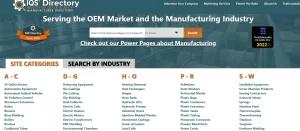
Sourced:https://www.iqsdirectory.com/
Look for manufacturers that specialize in your product category to ensure expertise.
2. Consider Local vs. Overseas Options
You’ll need to decide whether to work with a local or overseas manufacturer. Here’s a quick comparison:
• Local Manufacturers: Easier communication, faster delivery, and better quality control. However, costs are usually higher.
• Overseas Manufacturers: Lower production costs, especially in countries like China, Vietnam, or India. But shipping times are longer, and communication might be challenging.
3. Request Prototypes
Before committing, ask for a prototype. This step is especially important for custom products. A prototype lets you test:
• Quality and durability.
• Design accuracy.
• Materials and functionality.
Work closely with the manufacturer to refine the prototype until it meets your standards.
4. Attend Manufacturing Trade Shows
Just like with suppliers, trade shows are a great place to meet manufacturers. You can find options for large-scale production, custom orders, or niche industries. Some notable trade shows include:
• CES (Consumer Electronics Show): Focused on electronics and tech.
• ISM (International Sweets and Biscuits Fair): Ideal for food and confectionery manufacturers.
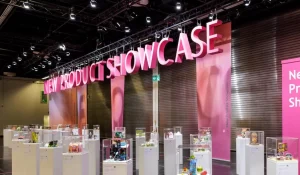
Sourced:https://www.ism-cologne.com/
5. Communicate Clearly
When working with manufacturers, clear communication is key. Be specific about:
• Design and material requirements.
• Production timelines.
• Quality control standards.
Language barriers can sometimes be an issue, so consider hiring a translator if needed.
6. Verify Their Credentials
To avoid scams or subpar manufacturers, check these:
• Certifications (e.g., ISO standards).
• Factory audits or on-site inspections.
• Customer reviews or references from other businesses.
7. Negotiate Costs and Terms
Discuss pricing, payment methods, and delivery schedules upfront. Also, ask about:
• Bulk discounts.
• Production capacity (can they handle large orders?).
• Quality assurance processes.
8. Test Small Orders First
Start with a small order to see how the manufacturer performs. Check if they meet your quality expectations and deliver on time. If all goes well, you can proceed with larger orders.
Still Confused? Meet DropSure!
If you’re unsure whether to work with a manufacturer or supplier, DropSure offers the best of both worlds. Our platform connects you to high-quality suppliers and manufacturers, ensuring you get exactly what you need for your business.
Why Choose DropSure?
• Affordable Prices: Save money with lower costs for products and shipping.
• Wide Product Range: Access both ready-made and customizable options.
• Seamless Experience: We handle sourcing, logistics, and even returns, so you can focus on growing your business.
Your Business, Simplified
With DropSure, you don’t need to choose between a manufacturer or supplier. We make product sourcing easy and stress-free. Ready to take your business to the next level? Sign up for DropSure now and see how we can help.
Conclusion
Understanding the difference between suppliers and manufacturers is key to making smart business decisions. Suppliers are perfect for quick, ready-made solutions, while manufacturers give you control over custom products. Whatever you need, DropSure has the tools and connections to simplify your sourcing process.
Stop searching. Start growing. Let DropSure handle the heavy lifting so you can focus on what you do best—building your brand.