In modern global commerce, products travel farther than ever before — but information travels even faster. While many successful brands appear mysterious from the outside, their supply chains often leave behind a detailed public footprint. Hidden in plain sight are shipping records, customs filings, and import data that reveal how goods actually move across borders. For entrepreneurs, sourcing managers, and growing e‑commerce businesses, learning how to analyze this information can dramatically shorten the path from idea to reliable supplier. One of the most powerful tools available today is customs bill of lading data, made accessible through platforms such as ImportYeti. When used correctly and ethically, this data allows you to understand how successful companies build their supply chains — and how you can build your own more intelligently. This guide walks step by step through how customs shipment data works, how to interpret it, and how to identify potential suppliers behind major brands using publicly available information. What Is a Bill of Lading — and Why It Matters A bill of lading (BOL) is a legal shipping document issued by a carrier that records the transportation of goods. It typically includes: exporter (supplier/manufacturer) importer (buyer or brand) cargo description shipment date container information port of origin and destination carrier details In many countries, portions of import data become public records for regulatory transparency. This creates an unexpected opportunity: shipment data becomes a map of real-world supply chains. Why Supply Chain Transparency Exists Governments collect shipping data to: enforce trade regulations monitor imports and tariffs ensure safety compliance track economic activity Because much of this data is public, analytical platforms aggregate and organize it for easier access. ImportYeti is one such […]

March 12, 2026

  Successful product selection is rarely accidental. While pricing, supply chains, and marketing execution all matter, the most consistently high-performing products share a deeper commonality: they align with predictable patterns of human psychology. Consumers do not make purchasing decisions purely through logic. Instead, emotions, perceived risk, urgency, and cognitive biases shape behavior long before rational evaluation begins. Among the most powerful psychological forces influencing buying decisions are loss aversion and scarcity perception. Understanding how these principles work — and how to apply them ethically during product selection — allows brands and sellers to identify items naturally positioned for higher conversion, stronger demand momentum, and sustained customer interest. This article explores how behavioral psychology can guide smarter product selection and explains practical frameworks for identifying products that trigger genuine purchasing motivation. Why Psychology Matters More Than Product Features Many sellers focus heavily on specifications: Better materials Lower cost More functions Improved packaging Yet markets repeatedly demonstrate that superior products do not automatically become bestsellers. The difference lies in perceived value rather than objective value. Customers buy when they feel: They might miss an opportunity A problem could worsen without action Availability is limited Others are already benefiting These emotional drivers originate from evolutionary decision-making systems designed to minimize risk and maximize survival advantages. Product selection that aligns with these instincts reduces friction between interest and purchase. Understanding Loss Aversion: The Core Human Bias Loss aversion refers to the psychological tendency for people to feel losses more strongly than equivalent gains. Research consistently shows that losing $100 feels significantly worse than gaining $100 feels good. This imbalance shapes everyday decisions. Consumers are more motivated to avoid negative outcomes than to pursue positive […]

March 11, 2026

Every year produces a handful of breakout products — items that seem to appear everywhere at once, dominate online conversations, and outperform expectations across marketplaces. At first glance, these successes may look unpredictable, driven by luck, viral trends, or sudden consumer obsession. But when examined closely, product winners are rarely accidents. Behind nearly every breakout product lies a repeatable selection logic: identifiable patterns in consumer behavior, supply chain evolution, pricing psychology, material innovation, and platform dynamics. The brands and sellers who consistently win are not chasing trends randomly — they are recognizing structural signals early. This article reviews ten of the most successful product categories of 2025 and analyzes the deeper logic behind their rise. More importantly, it translates those lessons into actionable frameworks that can guide smarter product decisions in 2026. Why Reviewing Winning Products Matters More Than Predicting Trends Many sellers focus on forecasting the future, but experienced operators spend equal time studying the past. Why? Because consumer behavior evolves gradually, not randomly. Winning products often share invisible similarities long before they become obvious successes. A proper review helps answer key questions: What problems were consumers actually trying to solve? What emotional triggers drove purchases? Which supply-side advantages enabled scale? What product attributes reduced buying hesitation? Which features increased repeat purchases? Understanding these patterns turns hindsight into forward strategy. The 2025 Market Environment: What Changed Before analyzing individual winners, it’s important to understand the broader environment shaping product success in 2025. Three macro shifts defined consumer purchasing: 1. Practical Innovation Over Novelty Consumers moved away from gimmicks. Instead, they favored products that improved daily routines in measurable ways. Functionality began outperforming pure aesthetics. 2. Modular and Replaceable Design […]

March 10, 2026

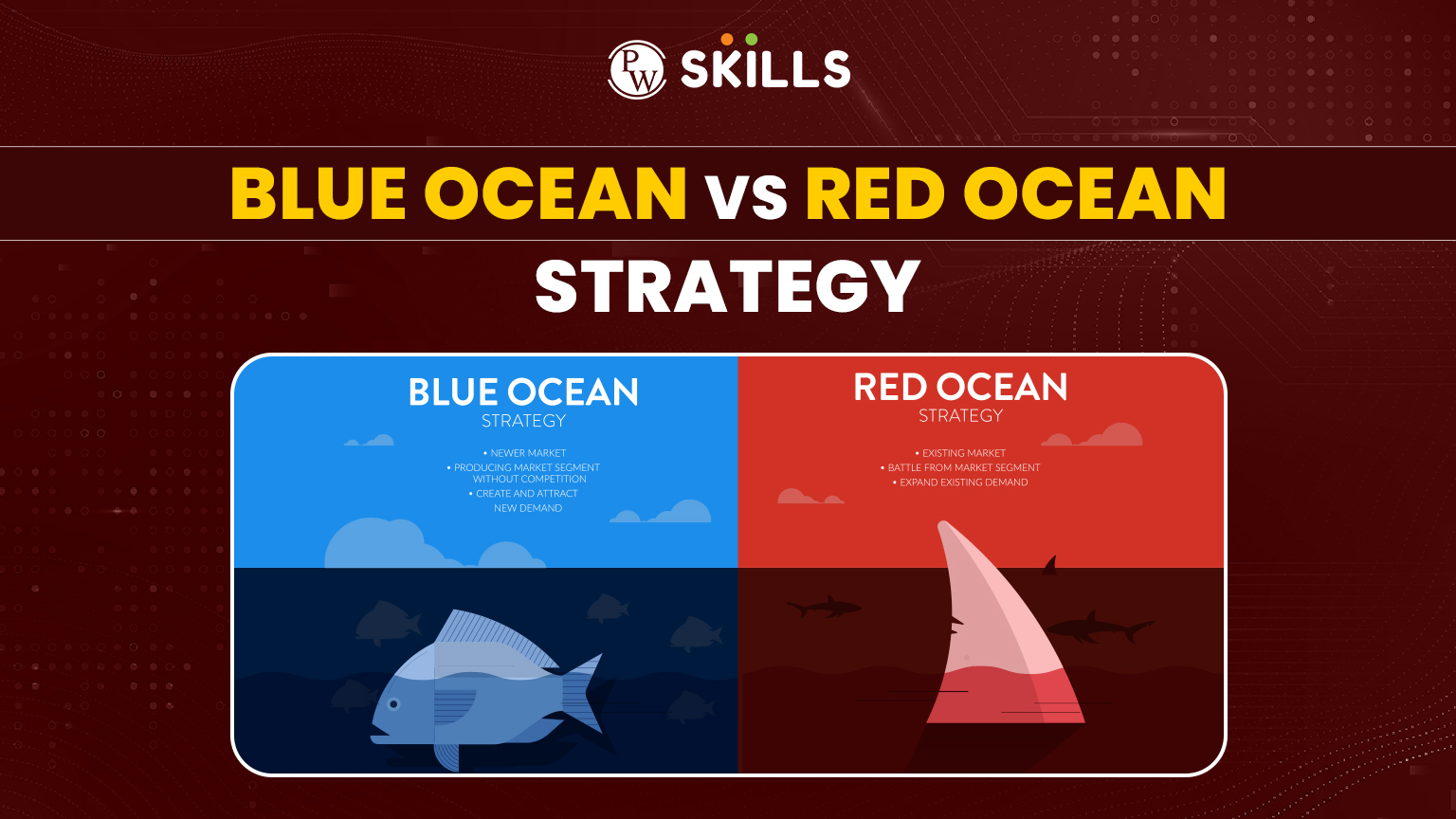
In the world of product development and e-commerce, few phrases are as appealing as “blue ocean product.” The term refers to products that enter markets with low competition, strong demand, and significant room for growth. Unlike “red ocean” markets—crowded spaces where competitors fight aggressively for the same customers—blue ocean opportunities offer breathing room for innovation and expansion. However, identifying a genuine blue ocean product is far more complicated than it sounds. Many entrepreneurs rely on intuition, trends, or viral product videos when choosing what to sell. While these signals can be helpful, they often lead to crowded markets within weeks. The reality is simple: data provides the most reliable clues about whether a product truly has blue ocean potential. Instead of guessing, successful product researchers analyze specific metrics that reveal how a market behaves. These numbers expose hidden opportunities, highlight risks, and help determine whether a product category has room for sustainable growth. This article breaks down five essential metrics that can help identify products with strong potential in emerging or underserved markets. Understanding these indicators allows businesses to make smarter decisions and avoid entering markets that are already saturated. Understanding the Blue Ocean Concept Before diving into the metrics, it is important to clarify what defines a blue ocean product. A blue ocean market typically has several characteristics: Relatively low competition Untapped or underserved demand Clear product differentiation opportunities Strong long-term growth potential This does not necessarily mean that no competitors exist. Instead, it means that the market is not yet overcrowded, and new entrants can still capture meaningful share. Many successful product categories began as blue oceans before becoming highly competitive. Early electric toothbrushes, ergonomic office furniture, and […]

March 6, 2026

Introduction: The Hidden Math Behind Online Profitability Many new eCommerce entrepreneurs assume success comes from selling products that move quickly and appeal to everyone. The logic seems simple: cheaper items sell more units, so profits must naturally follow. That belief has fueled massive competition around low-cost accessories like phone cases, cables, and small gadgets. Yet experienced sellers, dropshipping operators, and brand builders often discover a counterintuitive truth: selling fewer expensive products can generate significantly higher profits than selling large volumes of inexpensive items. This is where high-ticket product selection enters the conversation. A $200 lighting fixture may sell fewer units than a $20 phone case, but in many cases, it delivers stronger margins, lower operational stress, better customer quality, and long-term brand value. Understanding why requires looking beyond price tags and examining economics, psychology, logistics, and market positioning. This article explores the real reasons high-ticket products—especially in categories like lighting, home décor, and functional design—often outperform low-cost accessories in sustainable online business models. What Is a High-Ticket Product? A high-ticket product typically refers to an item priced significantly above impulse-buy levels. While definitions vary by niche, most online sellers classify products as: Low-ticket: $5–$40 Mid-ticket: $40–$120 High-ticket: $150–$1,000+ Lighting fixtures frequently fall into the high-ticket category because they combine function, aesthetics, and long-term household value. Unlike disposable accessories, lighting purchases are intentional decisions tied to home improvement, renovation, or lifestyle upgrades. The Economics of Margin: Revenue vs. Profit The biggest misconception in eCommerce is confusing revenue with profit. Let’s compare two simplified scenarios. Scenario A: Selling Phone Cases ($20) Selling price: $20 Product cost: $8 Advertising cost per sale: $7 Transaction & platform fees: $2 Net profit: $3 per order […]

March 4, 2026

Introduction: The Illusion of the “Winning Product” Every week, a new “must-sell” product floods entrepreneur communities. A viral gadget.A clever home accessory.A beauty tool everyone claims is printing money. Screenshots circulate showing massive revenue numbers. Influencers promise effortless scaling. Product research tools highlight explosive growth curves. Suddenly, thousands of sellers launch identical campaigns within days. And then reality arrives. Ad costs skyrocket. Conversion rates collapse. Margins disappear. What looked like a guaranteed success becomes an expensive lesson. If you’ve ever wondered why a product that seemed unstoppable ends up draining your advertising budget, the answer is simple: The problem is rarely the product itself — it’s the way trends are misunderstood and executed inside Facebook’s advertising ecosystem. This article breaks down the real mechanics behind failed “hot product” campaigns and explains how successful advertisers think differently. The Myth of Copy-Paste Success Many beginners assume success works like this: Find trending product Copy competitor ads Launch Facebook campaign Scale quickly In theory, it sounds logical. In practice, it almost never works. Why? Because by the time you discover a trending product, you are already late. Trend Timing Is Invisible What you see publicly is the peak, not the beginning. Successful advertisers usually test products weeks or months before they become visible trends. Early adopters benefit from: Lower CPM (cost per thousand impressions) Less audience fatigue Algorithm learning advantages Untapped customer curiosity When trend data tools show rapid growth, saturation has often already begun. You are entering during competition, not discovery. Facebook Ads Is an Auction, Not a Billboard One of the biggest misunderstandings is treating Facebook Ads like traditional advertising. Facebook operates as a real-time auction system. Every impression involves advertisers […]

March 2, 2026
1 2 3 4 41
DropSure is Your Best Partner
22 Years Experience
Affiliate Rebates
100% Quality Guarantee
Top-Up Rewards
10+ Global Warehouses
Custom Branding Support
Smart inventory System
24/7 Customer Support
Get a Quote in 24 Hours
Start Sourcing for Free