















< Blogs

Shopify or WordPress: Which One is Better for Dropshipping?

Vivan Z.
Created on November 21, 2024 – Last updated on February 6, 20255 min read
Written by: Vivan Z.

Shopify vs WordPress

If you’re starting a dropshipping business, Shopify and WordPress are two popular platforms to choose from. Both have their strengths and weaknesses, but the right one depends on your skills, business needs, and future plans. Let me break it down in simple terms to help you decide.


Shopify: Easy and Perfect for Beginners

Shopify

Shopify is made for e-commerce, and it’s super simple to use. Don’t know coding? No problem! Shopify has tons of ready-to-use templates. It’s like building with Lego blocks—you just drag, drop, and create your store. It comes with built-in tools for payments, shipping, and managing orders. This saves you time and lets you focus on selling.

shopify template

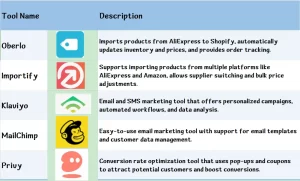
Shopify also has a massive app store. You’ll find tools like Oberlo and Importify to quickly add products, Klaviyo and MailChimp for email marketing, and Privy or Upsell to boost sales. These apps make dropshipping smooth and stress-free.
tools

But Shopify isn’t cheap. The basic plan starts at $29/month, and as your store grows, you might pay more, especially if you use third-party payment gateways. Also, if you want very specific designs or functions, Shopify can feel limiting.


WordPress: Flexible and Powerful, but Needs Tech Skills

Wordpress

WordPress, on the other hand, is a powerful option if you want more control. By adding the WooCommerce plugin, you can turn WordPress into a full e-commerce platform. The biggest advantage? Flexibility. You can design your store however you like and customize features such as payment methods or shipping options.
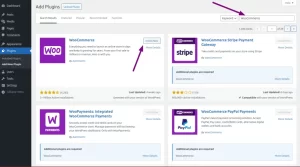
Woocommerce
Searching and showing the WooCommerce plugin via the Add Plugin WordPress screen.

WordPress is open-source, meaning there are endless plugins and resources available. It’s also cheaper—just pay for hosting and a domain, which costs less than Shopify’s monthly fees.

But here’s the catch: WordPress is not beginner-friendly. If you’re not tech-savvy, setting up plugins, payment systems, and optimizing your site can be overwhelming. And when things go wrong, there’s no centralized support. You’ll need to figure it out yourself or rely on online forums.


Who Should Choose Shopify?

Shopify is perfect if you’re new to e-commerce or want to start fast. It’s simple, has everything you need in one place, and their support team is always there to help. You can focus on selling without worrying about technical stuff.


Who Should Choose WordPress?

Go with WordPress if you know a bit about websites or don’t mind learning. It’s highly customizable and great for unique designs or features. Plus, it’s cheaper long-term. If you’re planning to scale and want full control, WordPress is a smart choice.


Which Platform Has Lower Long-Term Costs: Shopify or WordPress?
dropshipping

When comparing Shopify and WordPress, WordPress generally has lower long-term costs, especially if you manage your site efficiently. Here’s why:


WordPress: Lower Long-Term Costs

No Ongoing Subscription Fees
WordPress itself is free. You’ll only pay for hosting (starting around $5–$15/month), a domain (around $10–$20/year), and any plugins or themes you choose to add. Many plugins are free or have affordable one-time fees.

Customizable for Budget
WordPress allows you to scale costs based on your needs. If you’re on a budget, you can use free plugins and themes. As your business grows, you can invest in premium tools without paying a fixed monthly fee.

No Transaction Fees
WordPress doesn’t charge transaction fees unless you use certain payment gateways that have their own fees. You’ll save more as your revenue grows.


Shopify: Higher Costs Over Time

Monthly Subscription Fees
Shopify starts at $29/month and can go up to $299/month for advanced plans. These fees are unavoidable as long as you use the platform.

Transaction Fees
If you use a third-party payment gateway (like PayPal or Stripe), Shopify takes an additional transaction fee (0.5%–2%), which can add up as your sales increase.

App Costs
Many Shopify apps require monthly fees, and these can stack up quickly if you need multiple tools for your store.


Final Advice

If you’re a beginner, Shopify is the way to go—easy, quick, and hassle-free. If you’re more experienced or willing to learn, WordPress gives you more flexibility and control. Either way, pick the one that fits your needs, and take the first step toward building your dropshipping business. Success is waiting for you!

Buttom

DropSure is Your Best Partner
22 Years Experience
Affiliate Rebates
100% Quality Guarantee
Top-Up Rewards
10+ Global Warehouses
Custom Branding Support
Smart inventory System
24/7 Customer Support
Get a Quote in 24 Hours
Start Sourcing for Free

Keep Learning

In the past, overseas warehouses weren’t a major focus in cross-border e-commerce. However, with changes in the global trade environment and rising tariffs, their importance has grown significantly. For sellers targeting markets like the U.S. and Europe, having their own overseas warehouse or using third-party storage directly impacts operational efficiency, cost control, and brand competitiveness. Today, overseas warehouses are crucial to standing out in a competitive market. How can cross-border e-commerce sellers use overseas warehouses to improve efficiency and competitiveness? Let’s explore the 5 ways overseas warehouses help you beat the tariff trap. Benefit 1: Improving Efficiency With tariffs increasing, many cross-border sellers are starting to stock up in advance, sending hot-selling products to overseas local warehouses. This approach cuts international shipping times, which can otherwise take 10 to 20 days, down to just 1 to 5 days for delivery. It also bypasses customs clearance issues, provides opportunities for tax refunds, and ultimately saves both time and money. For example, goods shipped from China to border warehouses in Vietnam can be delivered to Hanoi within 1-2 days. In Europe, countries with strategic locations, like the Czech Republic and Poland, have become key “transit hubs” for Amazon Europe warehouses. When the main warehouse in Germany runs out of stock, these places can quickly “replenish” the inventory, ensuring a high delivery efficiency. According to the “2024 Overseas Warehouse Blue Book,” more than half of third-party warehousing service providers can complete the full process of “picking, weighing, labeling, and shipping” within 60 minutes. In today’s competitive cross-border e-commerce environment, speed and turnover are key factors that determine success. Suggestions for Cross-border Sellers: Don’t just focus on US FBA or major UK warehouses. These […]

If you own an online dropshipping store, then pricing strategy is definitely an aspect you need to take seriously. When pricing your products, you can’t just rely on your gut feeling. You have to take into account various expenses such as product costs, marketing costs, taxes, hosting fees, app fees, and even psychological factors. Don’t worry. In this guide, you’ll learn what dropshipping pricing strategy is, how to choose the best retail price, the different pricing strategies you can use, how to adjust product prices reasonably, and more! So, if you’re asking yourself, “What retail price should I set for my products?” then this article is for you. Let’s get started! What is Pricing Strategy When it comes to pricing strategy, you might think it sounds like a complex business term, but it’s as simple as setting a price for your favorite perfume. It’s about finding that sweet spot where you can earn a profit while ensuring customers feel they’re getting great value. In short, a pricing strategy is the method by which a business sets reasonable prices by studying market demand, product costs, competitors, and other factors. Sounds a bit like giving yourself a “price checkup”? That’s right—a pricing strategy helps you find the most appropriate “healthy price” that lets you profit without scaring away customers. Why Do You Need a Pricing Strategy You might think, “Isn’t it just about setting a price? What’s so special about it?” In reality, pricing isn’t that simple. An appropriate pricing strategy can help you attract potential customers and increase your profits. Imagine if you set the price too high, customers might feel it’s too expensive and walk away; but if you set […]

Ever wondered, “What is a 3PL? What is a 4PL?” These terms might sound like jargon, but understanding them is essential for businesses aiming to optimize logistics and supply chain management. Whether you’re a small e-commerce seller or a global manufacturer, the right logistics partner can make or break your operations. Let’s dive into what 3PL and 4PL mean, their differences, and how to choose the best solution for your business. What Is a 3PL? A 3PL (Third-Party Logistics) provider is a company that handles specific logistics functions for your business. Think of it as outsourcing transportation, warehousing, or distribution tasks to a specialist. For example, if you run an e-commerce store, a 3PL can store your products in their warehouse, pick and pack orders, and ship them to your customers. Their expertise and infrastructure streamline logistics, allowing you to focus on growing your business. Now, imagine a small business selling home decor online. Partnering with a 3PL means their products are stored in a central warehouse. When a customer places an order, the 3PL picks, packs, and ships it. The result? Faster deliveries and happier customers without the hassle of managing inventory and shipping. What Is a 4PL? A 4PL (Fourth-Party Logistics) provider takes logistics management to the next level. Unlike a 3PL, which focuses on execution, a 4PL acts as a strategic partner overseeing your entire supply chain. Unlike 3PL, which primarily provides businesses with tangible and specific logistics operations, 4PL acts more like a “commander,” leveraging extensive logistics management experience, information technology, and available resources to deliver optimized and integrated supply chain solutions, ultimately reducing business costs. 4PLs integrate multiple 3PLs, manage vendors, and provide end-to-end visibility. […]

Recommended for you