< Blogs

Is Dropshipping Dead Nowadays?

Vivan Z.
Created on November 14, 2024 – Last updated on February 6, 20256 min read
Written by: Vivan Z.

Is Dropshipping Dead Nowadays? To put it simply: No, dropshipping is not dead—and it’s far from being on the decline. In fact, the global dropshipping market continues to grow at an impressive rate. According to Statista, the global dropshipping market was valued at $221.3 billion in 2022, and it is projected to reach $931.9 billion by 2030. These figures show that dropshipping is not just surviving, but thriving in the e-commerce ecosystem.
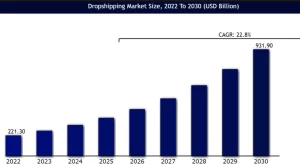
Dropshipping Market Size

Key Reasons Why Dropshipping is Still Alive and Well
Dropshipping from China 3

*E-commerce growth: Online shopping continues to surge globally. In 2023, global e-commerce sales were expected to surpass $6 trillion. As more people buy products online, the demand for low-risk, low-investment business models like dropshipping has only increased.
*Accessibility and low entry barriers: Unlike traditional retail, dropshipping requires minimal upfront investment. You don’t need to invest in large quantities of inventory or worry about warehousing. This makes it an attractive option for many entrepreneurs.
*Improved supplier networks: Countries like China have advanced their logistics and product manufacturing capabilities. Platforms such as AliExpress, Alibaba, and Dropsure are now more efficient, offering faster shipping times, better-quality control, and robust customer service.

Comparing Dropshipping to Traditional Retail:
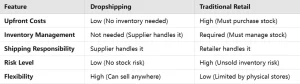
Compare

As you can see, dropshipping is far less risky and requires much less capital than traditional retail models, making it ideal for entrepreneurs looking to enter the market with limited investment.

Is Dropshipping Easy Now?

In the past, dropshipping was considered easy—just find a supplier, set up a website, and start selling. However, the landscape has evolved, and now dropshipping is no longer as “easy” as it once was.

Here’s why it’s more challenging:

  • Increased competition: With platforms like Shopify, WooCommerce, and AliExpress making it easier to start a dropshipping business, thousands of entrepreneurs have flooded the market. This means competition is fierce, and standing out can be challenging.
  • Higher customer expectations: In 2024, customers expect fast shipping (ideally within 7-10 days), high-quality products, and excellent customer service. Meeting these demands requires a lot more effort than simply adding products to a website.
  • Sophisticated marketing: Generic marketing strategies no longer work. Today’s successful dropshippers must be savvy in SEO, paid ads, email marketing, and social media campaigns to drive traffic to their stores.

The Reality of Dropshipping in 2024:

For instance, let’s compare the conversion rate of a typical dropshipping store versus a well-optimized one:

  • Basic store conversion rate:5% – 1% (for non-targeted ads, generic products, etc.)
  • Optimized store conversion rate: 2% – 3% (with a well-targeted niche, quality product images, and engaging content)

In the face of higher competition, dropshipping has become less about “quick wins” and more about strategic execution.

How to Succeed in Dropshipping?

Dropshipping from China 2

If you want to succeed in dropshipping today, it’s essential to approach it with the right strategy. Here’s a step-by-step guide based on the best practices for succeeding in the competitive e-commerce space.

1. Find a Profitable Niche

One of the most important factors in dropshipping success is choosing the right niche. Do thorough market research to identify products with high demand but low competition. Tools like Google Trends and Ubersuggest can help you identify trending products.

Example: Products in the health and wellness sector, like eco-friendly yoga mats, have seen a surge in demand, while more saturated niches like smartphones may be harder to penetrate.

Wellness industry

2. Choose the Right Suppliers

Work with reliable suppliers who offer high-quality products and fast shipping times. Websites like Dropsure provide a network of trusted suppliers that cater specifically to dropshipping businesses. Partnering with trusted suppliers ensures fewer customer complaints and better overall business performance.
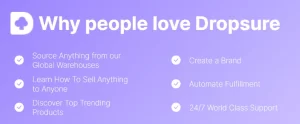
Why People Love DropSure

3. Build a Strong Brand

To stand out in a competitive market, focus on building a strong brand. This includes a user-friendly website, clear value propositions, and a unique selling point (USP) that differentiates you from others. A well-branded business attracts loyal customers and builds trust.

  • Example: Brands like Gymshark have thrived in niches like fitness apparel by focusing on building a strong community and brand identity.

4. Invest in Marketing

Dropshipping businesses that succeed today are those that know how to market their products effectively. A solid marketing strategy is key to driving traffic and sales to your store. Focus on:

  • Social media marketing (Instagram, Facebook, TikTok)
  • Influencer marketing
  • Search engine optimization (SEO)

5. Optimize Customer Experience

Customer experience plays a huge role in dropshipping success. Ensure fast response times to customer inquiries, offer hassle-free returns, and ensure timely shipping. Providing excellent customer service will help build customer loyalty and positive reviews.
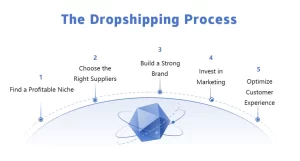
The Dropshipping Process

Conclusion

So, is dropshipping still a viable business model? Absolutely. While it’s no longer a “get-rich-quick” scheme, dropshipping remains a profitable business model for those who are willing to put in the effort. By selecting the right niche, partnering with reliable suppliers like Dropsure, and optimizing your marketing efforts, you can still achieve success in the world of e-commerce.

If you’re serious about dropshipping and want to start with a strong foundation, Dropsure is here to help. We provide reliable suppliers, streamlined processes, and the tools you need to grow your dropshipping business. Whether you’re just starting out or looking to scale, we’ve got you covered!


DropSure bottom


DropSure is Your Best Partner
22 Years Experience
Affiliate Rebates
100% Quality Guarantee
Top-Up Rewards
10+ Global Warehouses
Custom Branding Support
Smart inventory System
24/7 Customer Support
Get a Quote in 24 Hours
Start Sourcing for Free

Keep Learning

In the fast-moving world of dropshipping, success often depends on one thing—choosing the right products at the right time. Pick a winner, and your store takes off. Choose wrong, and you’re left with slow sales, wasted ad spend, and lost momentum. For years, dropshippers have relied on instinct, manual research, or copying trends from competitors. But in 2025, there’s a smarter, faster way to pick winning products: Artificial Intelligence (AI). AI isn’t just a buzzword anymore—it’s quietly revolutionizing how eCommerce entrepreneurs find profitable products, forecast demand, and stay ahead of competition. In this blog, we’ll explore how AI helps with product selection in dropshipping, what tools are leading the change, and how you can use this technology to build a more sustainable business. 1. The Old Way: Guesswork, Gut Feelings, and Google Trends Let’s face it—product selection used to be more art than science.Traditional dropshippers often relied on: Scrolling endlessly through AliExpress or TikTok for “trending” products. Watching competitor ads on Meta or YouTube. Guessing what might sell next season. Manually checking reviews, prices, and shipping times. While this hands-on approach worked for some, it also had huge flaws: Slow response time — By the time you discover a “hot” product, the trend might already be fading. Limited data — You’re relying on intuition, not analytics. High failure rate — Even experienced sellers get it wrong more often than right. AI changes all of that by turning guesswork into data-driven precision. 2. The Rise of AI in eCommerce AI is now woven into nearly every part of eCommerce—from automated ad campaigns to personalized customer experiences. But one of its most impactful uses is in product research and selection. AI tools […]

Dropshipping in cross-border e-commerce may appear to be an ideal business model: no inventory, low startup costs, and easy profits. However, the reality is more complex—this field is fraught with various scams, from fake suppliers to fabricated reviews, where a slight misstep can result in the loss of funds, time, and customer trust. This article dissects seven common dropshipping scams and offers practical strategies to help you operate safely. Fake Suppliers and Middlemen Traps  Some shady characters might pose as suppliers, claiming they have abundant stock to lure you into placing orders. In reality, they’re merely middlemen who mark up prices before passing your order to the actual supplier. This practice can cause runaway costs, delayed deliveries, and even harm your store’s reputation due to product quality issues. How to Spot These Traps Abnormal Pricing: If the price quoted is noticeably higher or lower than market rates, it’s a red flag. Refusal to Provide Proof: If they’re unwilling to show any proof of inventory or contracts with manufacturers, you should be extra cautious. Unverifiable Contact Information: If they lack a physical address or provide contact details that can’t be verified, that’s another warning sign. How to Protect Yourself 1.Do Your Homework: Check industry forums and third-party platforms (like Spocket) to carefully vet and select certified European or American suppliers. 2.Ask for Proof: Before finalizing any deal, make sure to get documents such as manufacturer authorization letters or partnership contracts. 3.Order Samples: It’s wise to order samples first to test product quality and shipping times, helping you avoid any hassle caused by misleading images or descriptions. Fake Product Quality Scams   In the realm of cross-border e-commerce, some unscrupulous suppliers mislead sellers […]

Before diving into the world of cross-border e-commerce independent sites, understanding their revenue models is crucial. Different business models determine the site’s operational direction, target customers, and profit channels. Today, let’s explore the six major business models for cross-border e-commerce independent sites. Model 1: DTC (Direct-to-Consumer) – Take Full Control of Your Brand  If you’re planning to build a cross-border e-commerce independent site, the DTC model is something you can’t ignore. Simply put, you become your own boss—selling directly to consumers without middlemen like agents, wholesalers, or retailers. No more commissions, no more markups—more profit, more control. Think about it: You’ve worked hard to create a great product, but once it passes through layers of distributors, the price skyrockets, and your customers end up paying way more than they should. Sounds unfair, right? That’s exactly why the DTC model is a game-changer. It eliminates unnecessary costs, gives you full control over the sales process, and allows you to connect directly with your customers. You get instant feedback, adjust your product offerings accordingly, and continuously improve. Even better, you own your space—from your website design to your marketing strategy. No more worrying about platform rules limiting your promotions. Want to run a flash sale? Go ahead. Thinking about personalized marketing? Do it. Want to build brand loyalty? The DTC model is made for it. Real Case: Away – The DTC Luggage Success Story   When it comes to DTC success stories, Away is a brand that stands out. From day one, they made a bold decision: skip traditional retail channels and sell directly to consumers through their own website. Their strategy? Create high-quality, stylish luggage while telling a compelling brand story that resonates with travelers. But Away […]

Recommended for you