En
En
 7 min read
What is Dropshipping?
Dropshipping is an easy e-commerce model. You can open a store and sell products without stocking inventory or managing shipping. Sounds simple, right? This approach frees you from handling inventory or packing shipments. You can focus entirely on sales and marketing instead.
How Does Dropshipping Work?
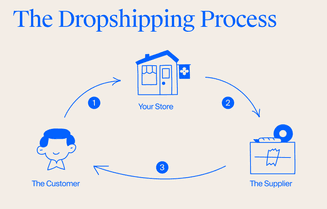
The key to dropshipping is your supplier. When a customer places an order, you contact the supplier. The supplier then ships the product directly to the customer. You never handle the product or worry about logistics. Think of yourself as a middleman connecting customers with suppliers. For more details, click What is Dropshipping & How to Start.
Why Is Dropshipping So Popular?

The success of dropshipping lies in finding reliable suppliers or wholesalers. Once you select your products, you can start promoting your store and brand. This model works well for beginners. You don’t need to invest heavily in inventory or deal with the stress of shipping. Focus on selecting the right products and promoting them. In simple terms, dropshipping is like “traveling light” while earning along the way.
Is Dropshipping Legal in India?

Yes, dropshipping is completely legal in India. You can start this business without worry. However, you need to follow certain rules to run your business properly.
First, register your business. Think of it as creating an “ID card” for your store. You can register as a sole proprietor, form a partnership, or set up a private limited company. If you’re working alone, sole proprietorship is the easiest option. If you’re working with partners, choose a partnership or private limited company based on your needs.
Second, register for GST (Goods and Services Tax) if your annual sales exceed ₹40 lakhs (or ₹20 lakhs in some states). Once registered, you need to charge GST on every sale and file taxes regularly. While this may sound complex, it’s straightforward and adds credibility to your business.
Additionally, pay income tax on your profits. Like salaried income, business profits are taxable. Keep accurate records of your earnings and file your taxes on time.
Lastly, comply with e-commerce regulations. Display your contact information and return policy clearly on your website. Customers feel reassured knowing whom to contact if there’s an issue. A transparent return policy builds trust and reduces disputes. Include clear terms on when and how returns are accepted. This approach makes your store look professional and avoids misunderstandings.
In summary, dropshipping in India is legal as long as you follow these rules. These regulations ensure your business is legitimate and help build customer trust. If you feel overwhelmed at first, don’t worry—take it step by step. Dropshipping is perfect for beginners. Without inventory or shipping worries, you can get started with just the right preparation.
How Much Does It Cost to Start Dropshipping in India?
Starting a dropshipping business in India is affordable and straightforward. You only need ₹8,000 to ₹10,000 to begin. If you want to invest in advertising and basic marketing tools, the budget may increase to ₹12,000 to ₹15,000.
For example, using Shopify costs ₹1,994 per month. WooCommerce is free, but you’ll need hosting, which costs ₹2,000 to ₹5,000 annually. A domain name costs ₹500 to ₹1,000 per year. Payment gateways like Razorpay or Instamojo charge ₹2 per transaction.
To make your store attractive, create a logo with free tools. If you need professional image optimization, it costs ₹500 to ₹1,000. As your business grows, invest in marketing tools. Email marketing software like Mailchimp or Zoho costs ₹500 to ₹1,000 monthly. Social media tools like Buffer or Hootsuite cost ₹200 to ₹500 per month. You can also run ads on Google or Facebook, starting with ₹500 monthly.
India’s dropshipping market is booming. It’s currently worth $1 billion and is growing at 25% annually. By 2028, the market is expected to reach $5 billion. Now is the perfect time to get started.
Why Start Dropshipping in India?

Some people think doing business with Indians is complicated. However, India is a high-potential market for dropshipping. Here’s why:
India has a massive population of over 1.4 billion people. More than half are under 35, making them the core audience for e-commerce. These young consumers are tech-savvy and prefer shopping online. With over 700 million internet users, the market keeps growing rapidly.
India’s e-commerce market is expanding at an incredible rate. In 2020, it was worth $50 billion. By 2026, it’s expected to reach $120 billion, growing at 21% annually. Unlike the saturated markets in the US and China, India still has plenty of room for growth.
India is a manufacturing hub. It offers affordable products like textiles and handicrafts. For example, cotton bedsheets from India cost 40% less than those from Western countries. Dropshipping sellers can work directly with Indian suppliers to access these competitive prices and attract more customers.
Indian consumers are price-sensitive. Dropshipping works well here because it eliminates inventory costs. Sellers can offer lower prices, which is essential in this market.
Finally, India’s logistics network is improving. Shipping within India is faster and cheaper than international shipping. This helps dropshipping sellers provide better service and increase customer satisfaction.
Conclusion
Dropshipping is a low-cost, high-potential business model. With its large consumer base and fast-growing e-commerce market, India is the perfect place to start. Of course, challenges like supply chain management and logistics exist, but choosing the right platform makes all the difference.
DropSure provides top supplier resources, fast global shipping, brand customization, and easy order management. It simplifies product selection, logistics, and customer service. Plus, DropSure offers professional support to help you tackle challenges and launch your business efficiently.
Now is the time to seize this opportunity. Register with DropSure today and use its advantages to kickstart your dropshipping journey!