En
En
 7 min read
In eCommerce, especially in dropshipping, Amazon, and independent store businesses, failure rarely comes from lack of effort.
Most sellers fail because they choose the wrong products—products that look profitable on the surface but are already overcrowded, exhausted, and fighting brutal price wars underneath.
The painful truth is this:
Many sellers don’t fail because they don’t use product research tools.
They fail because they use them the wrong way.
This article will walk you through how to use product research tools to avoid saturated products, identify early warning signals, and develop the judgment needed to tell the difference between a hot opportunity and a dead battlefield.
1. What Does “Saturated” Really Mean?
Before we talk tools, we need to clarify one misconception.
1.1 Saturation Is Not About “Too Many Sellers”
A product is not saturated just because:
-
There are many listings
-
Many ads appear on TikTok or Facebook
-
Multiple sellers offer similar items
True saturation happens when:
-
Differentiation no longer matters
-
Price becomes the only competitive weapon
-
Margins collapse faster than volume grows
In short:
A saturated product is one where new sellers have no realistic path to profit.
1.2 Why “Popular” and “Saturated” Are Not the Same
Many beginners confuse:
-
“This product is selling well”
with -
“This product is a good opportunity”
A product can sell thousands of units per day and still be a terrible choice for new sellers.
Why?
Because the profits are already taken.
2. The Biggest Mistake: Chasing What Tools Tell You Is “Hot”
Most product research tools highlight:
-
Rising sales
-
High order volume
-
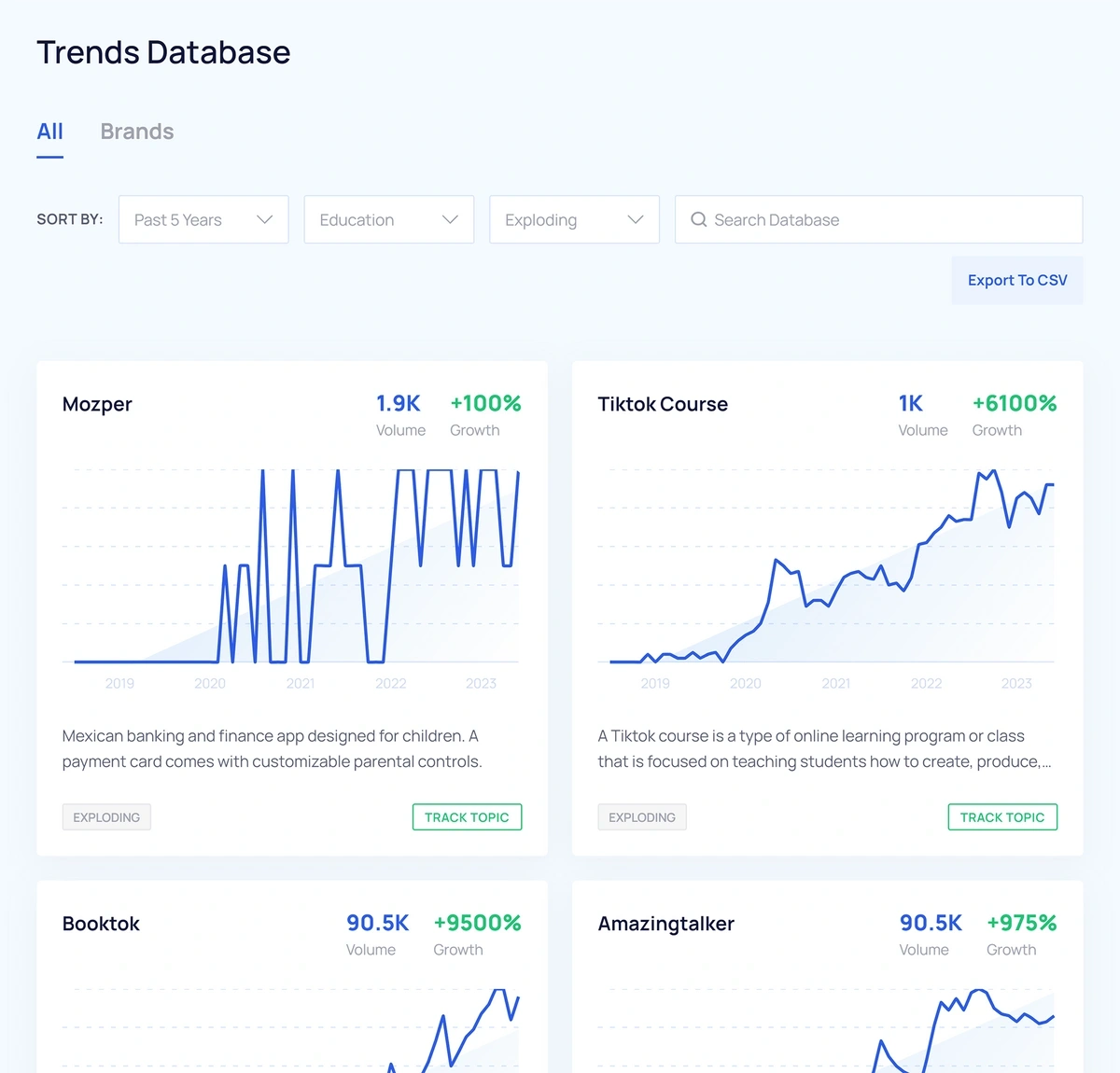
Exploding keywords
-
Trending ads
But here’s the problem:
By the time a product is labeled “hot,” it’s often already late.
Tools don’t show you future competition—they show you past success.
Smart sellers use tools to detect warning signals, not hype.
3. Signal #1: Sales Concentration vs. Sales Distribution
3.1 Why Sales Distribution Matters More Than Total Sales
When analyzing a product category, don’t just ask:
-
“How much is this selling?”
Ask instead:
-
“Who is getting the sales?”
Using tools that show:
-
Revenue per listing
-
Market share by seller
-
Top 10 vs. long-tail performance
You’ll see two very different patterns.
3.2 Healthy Market vs. Saturated Market
Healthy market:
-
Top sellers don’t dominate excessively
-
Mid-level sellers still make meaningful revenue
-
New listings can gain traction
Saturated market:
-
Top 3 sellers control most sales
-
Everyone else fights over scraps
-
New listings barely move
If 70–80% of sales belong to a few listings, the market is already closed.
4. Signal #2: Review Velocity Is a Silent Killer
4.1 Total Reviews Are Less Important Than Review Speed
Many sellers check:
-
Total review count
Smart sellers check:
-
Reviews per month
Why?
Because review velocity reveals how fast competition is accelerating.
4.2 What Review Velocity Tells You
If a product shows:
-
Hundreds of new reviews every month
-
Especially on newer listings
That means:
-
Aggressive ad spend
-
Heavy influencer promotion
-
Capital-backed competitors
This is often a sign of late-stage saturation, not opportunity.
4.3 The “False Green Light” Trap
Some tools mark products as “low competition” simply because:
-
Review counts are not yet massive
But if review velocity is exploding, you’re looking at:
A market about to become overcrowded—fast.

5. Signal #3: Price Compression Over Time
5.1 Why Price History Matters
A key saturation indicator is price erosion.
Using price tracking tools:
-
Look at price changes over 6–12 months
-
Track average selling price trends
5.2 The Saturation Pattern
Most saturated products follow this curve:
-
High margins at launch
-
Rapid seller entry
-
Aggressive discounting
-
Long-term price collapse
If prices are consistently trending downward, competition has already turned destructive.
5.3 When Price Stability Signals Opportunity
A stable or slowly rising price range often means:
-
Differentiation still exists
-
Customers value more than just cost
-
The product hasn’t been commoditized
This is where new sellers can still win.
6. Signal #4: Ad Fatigue Across Platforms
6.1 When Ads Become Copy-Paste
On platforms like TikTok, Facebook, or Instagram:
-
Saturated products show the same creatives
-
Same hooks
-
Same angles
-
Same landing pages
This signals:
-
Creative exhaustion
-
Audience burnout
-
Declining conversion rates
6.2 Why This Is a Red Flag
When everyone markets the same way:
-
Ads become more expensive
-
CPMs rise
-
ROAS falls
Even if sales volume remains high, profit disappears.
7. Signal #5: Feature Convergence
7.1 When Every Listing Looks Identical
Use product research tools to compare:
-
Images
-
Titles
-
Bullet points
-
Feature claims
If every seller highlights:
-
The same features
-
The same benefits
-
The same wording
The product has entered feature convergence.
7.2 Why Feature Convergence Equals Saturation
When no meaningful differentiation remains:
-
Branding becomes cosmetic
-
Buyers default to price
-
New entrants have no leverage
This is one of the clearest signs of a “burned-out” niche.
8. How Smart Sellers Use Tools Differently
8.1 Tools Are Filters, Not Decision-Makers
Experienced sellers don’t ask tools:
-
“What should I sell?”
They ask:
-
“What should I avoid?”
Product research tools are best used to:
-
Eliminate bad ideas quickly
-
Spot structural weaknesses
-
Validate assumptions
8.2 The Anti-Trend Mindset
Instead of chasing:
-
What’s trending now
Look for:
-
Products with stable demand
-
Low emotional hype
-
Quiet but consistent sales
Boring often beats viral.
9. Case Study Pattern: Why “Everyone Sold It” Means You Shouldn’t
Many sellers share the same story:
-
Found a product through a tool
-
Saw strong numbers
-
Launched quickly
-
Faced brutal competition
-
Quit after thin margins
The product didn’t fail.
The timing did.
By the time a product becomes obvious, its profit window is usually closing.
10. A Practical Saturation Checklist
Before committing to any product, ask:
-
Are sales distributed or concentrated?
-
Is review growth accelerating unnaturally?
-
Are prices falling month after month?
-
Do ads look identical across platforms?
-
Can I clearly differentiate beyond price?
If you answer “yes” to multiple warning signs:
Walk away.
There will always be another product.
11. Final Thought: Tools Don’t Create Winners—Judgment Does
Product research tools are powerful.
But they don’t replace:
-
Market intuition
-
Competitive awareness
-
Long-term thinking
The real skill is not finding products that sell.
It’s finding products that still have room to win.
Avoiding saturated products is not about being smarter than everyone else.
It’s about being earlier, calmer, and more selective.
And in eCommerce, that discipline is often the difference between:
-
Chasing trends
-
And building something sustainable
Conclusion
If you learn to use product research tools as warning systems instead of hype machines, you’ll avoid most beginner traps automatically.
Saturated products aren’t hard to spot—
Once you know what signals to look for.
And once you stop chasing what everyone else is selling,
You finally give yourself room to grow.