< Blogs

How the TikTok Ban Impacts Dropshipping and Cross-Border E-Commerce

Vivan Z.
Created on January 20, 2025 – Last updated on February 19, 202511 min read
Written by: Vivan Z.

TikTok Ban

When TikTok “went dark” in the U.S., e-commerce businesses had to rethink how this would impact their operations. The TikTok ban isn’t just about data privacy; it’s also a glimpse into the bigger shifts happening in international trade and the digital economy. For dropshippers operating in global markets, it’s a mix of challenges and opportunities.

In this blog, we’ll talk about what happened, how it affects cross-border e-commerce, and share some practical tips to help you sellers navigate these changes.

The TikTok Ban: A Clash Between Tech and International Policy 


Here’s what happen to TikTok.Back in 2023, the U.S. government rolled out some strict new rules against TikTok. The government said the app was a threat to national security. The controversy wasn’t just about the app itself, but also about its parent company, ByteDance, since it shares U.S. user data with the Chinese government. TikTok insisted that its data is stored in the U.S. and managed by third-party firms, but that didn’t lower U.S. government’s concerns.This dispute was about more than just one company—it became a really important clash between the tech industry and international policy.

Global Policy and Tech Industry Clash

For dropshippers, this is a good example of how global events can influence your business. If you rely on TikTok ads to bring customers to your store, once TikTok is banned, your main way of getting traffic would gone. So it’s important to use more than one platform, like Instagram or Facebook, for marketing. What’s more, you need to obey data rules in the countries of your target customers are. For example, if you’re meking deal with U.S. buyers, make sure your tools and platforms follow U.S. privacy laws. This way, you can avoid surprises and keep your business running smoothly.

How to Handle Changes in International Policies 


Changes in international policies can feel overwhelming and unpredictable, but don’t worry! With the right strategies, you can go though these challenges with ease—and even uncover new opportunities along the way. That’s why we’re here to help. Don’t miss out on our blog updates. We continue to share some practical tips. They will help you stay steady in a shifting market and keep your Dropshipping business flexible and strong.


DropSure


Diversify Your Supply Chain to Minimize Risks 

Now, imagine what might happen if your suppliers are from the same country? Have you ever thought about what would happen if their government changed policies? It could be a ruin to your supply chain. So, have you thought about spreading out your risk by cooperating with more suppliers? This way, you can avoid the stress of policy changes and make sure you always have a steady supply. Plus, if you have backup suppliers you can have a safety net for when your main channels are blocked. Having a backup plan that keeps your business running smoothly.


Localize Your Operations to Avoid Restrictions 

If you’re struggling with cross-border logistics and tariff policies, have you thought about setting up local distribution centers in your target markets?
For example, having a warehouse in Europe could make delivery times a lot faster and make customs easier. And when you team up with local logistics and payment providers, you can boost efficiency and build trust with your customers. People love fast, reliable service, and these adjustments can make your business feel more professional and dependable.


DropSure Warehouse


Stay Ahead of Policy Changes 

Hey, just a heads-up: policy changes can be a bit unpredictable, but if you stay alert, you’ll be all set. Tools like DropSure can help you keep an eye on policy updates in your target markets as they happen. When a change happens, you’ll be ready to adjust your pricing, logistics strategy, or even product selection before the market feels the full impact. Being proactive and adaptable is the key to staying competitive.


Communicate Effectively to Build Trust 

We know that logistics delays can sometimes be a result of policy changes, but we’re here to help you navigate these challenges and ensure that they don’t harm your business. When you treat your customers right, even a little hiccup can turn into a chance to build stronger relationships. Keeping your customers in the loop with updates on their orders is a small step that shows you care. And if delays happen, offering flexible return policies or small gestures like discount codes can go a long way in easing frustrations and building loyalty. These little touches can make a world of difference and build trust with your customers.


Invest in Technology and Customer Experience


You can feel confident and secure when you diversify your supply chain, localize your operations, stay informed, and make customer communication a priority. With a flexible approach and a focus on customer satisfaction, you’ll not only weather the storm but also set your business up for long-term success.


The TikTok Ban and Its Lessons for E-Commerce 


For e-commerce entrepreneurs, especially those selling on dropshipping, the event showed how important it is to adapt, think ahead, and make a plan for how to deal with a global landscape that is becoming more and more regulated. In the following part, we’ll share some practical tips that will help e-commerce businesses revive and thrive in an ever-changing world.

 

DropSure Branding 2


Market Diversification is Essential 


t might feel simple to depend on one market, but it can put your business at risk if unexpected rules or changes happen. For example, a sudden tariff hike, import ban, or new law in one area could make it harder to serve customers or stay profitable. That’s why it’s important to not put all your eggs in one basket and explore other markets.

Here’s a quick tip: don’t rely on just one market. By spreading out, you can avoid big issues if one market faces trouble. Start by focusing on places with stable rules and strong demand for your products. Tools like Shopify or WooCommerce make it super easy to set up online stores in multiple countries and reach new customers. This way, you can reduce risks and unlock exciting growth opportunities worldwide!

 

Build a Flexible and Resilient Supply Chain 


In today’s fast-paced world, having a flexible supply chain is safety for your business. It helps you face surprises like policy changes, natural disasters, or market shifts. By working with multiple suppliers in different places, you can avoid the risks of depending on just one. If one supplier faces an issue, you can easily switch to another without disrupting your business.


Communicate Effectively to Build Trust


Using local warehouses in key markets makes everything so much easier. They speed up shipping, simplify customs, and get products to your customers faster. A smart supply chain not only helps you handle uncertainties but also lets you adapt quickly to market changes and stay ahead of the game!


Prioritize Data Privacy and Compliance 


In today’s digital world, you need to follow data privacy rule because it’s the foundation of customer trust. If you’re running an e-commerce business across different regions, then you must meet global standards like GDPR and CCPA. Otherwise, it can cost you big in fines and damage your reputation.


To stay ahead, firstly, make sure you’re using secure payment systems to protect customer data. And then, setting up strong protection measures. And don’t forget about being transparent. Be upfront with your customers about how you handle their data, and show them you genuinely care about keeping it safe. This isn’t just about following the rules—it’s about earning their trust. When they see you’re serious about protecting their info, they’ll feel confident choosing your brand again and again.


Make the most of cross-border partnerships 


We get itcross-border e-commerce can feel a bit overwhelming. But don’t worry, we’re here to guide you! By partnering with reliable logistics providers, payment processors, and local distributors, you can tackle those challenges head-on. These partnerships bring local know-how, making it easier to follow regional rules, clear customs smoothly, and get orders delivered faster. For example, a good logistics company can help you avoid shipping delays and cut down on costs. And with a trustworthy payment processor, handling multiple currencies becomes super simple.

 

Build a Scalable and Efficient System


These collaborations also help your business run more smoothly and give your customers a better experience. For example, a local distributor in Japan might tell you that customers there value minimalistic packaging, which can help you tailor your product presentation. Or a distributor in Europe might highlight the growing demand for eco-friendly products, giving you a chance to adapt your offerings. By teaming up with the right partners, you can build an efficient, scalable system that not only supports growth but also helps you succeed in connecting with customers across international markets.


Invest in Technology and Customer Experience 


Technology is a real game-changer for e-commerce businesses. It makes everything smoother and stronger. For instance, AI-driven tools can predict which products will sell best next season, so you can stock up on what customers actually want. Imagine having a system that automatically updates inventory levels or flags low stock—no more overselling or running out at the wrong time! Automation tools, like chatbots for customer service or software that processes orders in seconds, save you hours and reduce mistakes, giving you more time to grow your business.
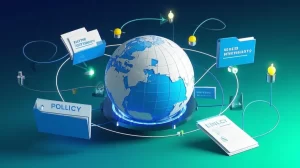
 

Facing Policy Changes with Confidence


And let’s not forget the customer experience—it’s just as crucial. For example, sending real-time updates like “Your package is out for delivery!” or offering hassle-free returns can help you build trust and loyalty. A customer easily returns a product and gets quick support, then he is much more likely to shop with you again.

By combining smart communication with cutting-edge tech, you can create a shopping experience. It not only keeps customers happy but also makes your brand stand out in a competitive market.

 

Let DropSure Be Your Dropshipping Game-Changer  


Just a friendly reminder: Changes in international policy can sometimes influence your dropshipping business. If you want to stay ahead in the global market, it’s important to be flexible and ready to adapt.

Sounds challenging? Don’t worry! DropSure is here to help. With our real-time policy tracking, you can prepare for changes before they even show up, so you’re not left in the dark.

And remember, it’s always smart to spread your markets and supply chains around. It’s not a good idea to put all your eggs in one basket, so don’t rely on just one supplier or one market.

With DropSure’s supply chain management tools, you’ll be all set! You can find reliable suppliers, streamline your logistics, and make sure you’re compliant with data privacy regulations. This way, you’re not just avoiding problems, you’re also building trust with your customers.


Buttom


DropSure is Your Best Partner
22 Years Experience
Affiliate Rebates
100% Quality Guarantee
Top-Up Rewards
10+ Global Warehouses
Custom Branding Support
Smart inventory System
24/7 Customer Support
Get a Quote in 24 Hours
Start Sourcing for Free

Keep Learning

Are you looking to find new foreign trade customers but struggling to convert them into orders? If so, this blog is exactly what you need. Here, we’ll share seven powerful strategies to motivate potential customers and encourage them to take action. While it might seem like a daunting task at first, applying these techniques will help you achieve more sales success in no time! Ask the Reason    In foreign trade business, customers not placing orders is a very common problem. However, to solve this kind of problem, you must first know why customers do not order. You can send emails to politely ask the customer’s idea, to understand the details of their concerns, so that you can put forward a targeted program to solve the problem.   It is important to note that you need to ask the customer in a civilized and appropriate manner so that you do not make them feel disturbed. If you communicate in the right way, you will not only help your customers resolve their concerns, but you will also be able to better understand their needs, which will increase the success rate of the transaction.      Example 1:  “Hello, I noticed that you have not responded further to our offer. I wonder if it’s because of the price? We can work together to discuss how we can adjust our options, such as adjusting product specifications or optimizing shipping methods, to help you reduce costs.” Example 2: “Thank you for your interest in our products! To make you feel more comfortable, we can provide samples for you to test. This way, you can visualize the quality of the product and decide whether to […]

A while ago, my mom suddenly asked me, “Can you make one of those websites where you sell stuff online?”I replied, “Do you mean like Taobao or Pinduoduo? Or the kind where you don’t keep inventory?”She said, “The kind without inventory—I don’t have space to store stuff.” Alright, that made things clear: she wanted to do dropshipping. So, I slapped my thigh and decided to help her set up her own independent store—not a little shop on Pinduoduo or Amazon, but a website she could truly call her own. Step 1: Define the Product Category Before diving into product selection, I did a simple yet practical market research with her to make sure we weren’t blindly listing products but making decisions based on data and trends. We mainly referred to the following platforms and dimensions: Google Trends  This was the first tool we checked to confirm the popularity trends of a product category globally or within our target market. We didn’t just look at recent trend curves but also pulled data from the past five years to see whether the category was a seasonal spike or a stable, long-term growth niche. For example, some holiday-related products peak once a year but miss the timing and fail completely; while categories like fitness or pet supplies have steady trends and are better for long-term operation. TikTok & Instagram These two platforms helped us capture real-time consumer interests and hot topics. On TikTok, we focused on viral videos’ likes, genuine feedback in the comments, and influencer recommendations on how to use the product. Instagram was more lifestyle-oriented; we searched keywords to see what people were sharing and recommending, and also got a glimpse […]

In this day and age of advertising, have you ever wondered about a strategy to grow your sales without spending money on advertising? The answer may lie in Organic Dropship. This marketing approach, which is centered on long-term trust and value output, is being seen by more and more entrepreneurs as a “secret weapon” for sustainable growth. Let’s explore how time and creativity can replace advertising budgets and drive longer-lasting market returns. Why is Organic Dropship “anti-anxiety marketing”? The core logic of Organic Dropship is to use value instead of advertising. Unlike traditional advertising that relies on “money for traffic”, Organic Dropship naturally attracts customers by continuously outputting content that is truly useful to users. 2023 HubSpot study shows that 61% of consumers trust bloggers’ recommendations more than brand advertisements, which is precisely the underlying advantage of Organic Dropship. -Replacing the hard sell with knowledge empowerment. For entrepreneurs just starting out, this model effectively avoids two major pitfalls: ● The black hole of advertising bidding: Google Ads single click cost has exceeded $4.11, small businesses often become the platform algorithm “fuel”. ●  The bursting of the traffic bubble: paid traffic stops when it stops, while quality content continues to bring in natural search traffic. 5 cost-effective customer acquisition combinations Content Leverage: Turning Expertise into a Traffic Magnet Content is the best traffic lever. If you can use content to solve users’ practical problems, customers will naturally come to you. Sarah, a California organic farmer, shares her planting process on TikTok, and each short video on “how to recognize real organic food” can bring more than 200 precise inquiries. Her secret is to turn industry knowledge into solutions to user pain […]

Recommended for you