< Blogs

DropSure in Europe: Face-to-Face with French E-Commerce Sellers

Vivan Z.
Created on July 7, 2025 – Last updated on July 9, 20253 min read
Written by: Vivan Z.

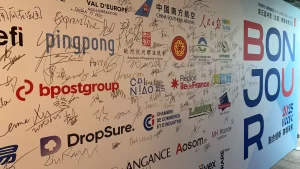
In June 2025, DropSure was invited to participate in the China-Europe (France) Cross-Border E-Commerce Forum held in Paris, France. This event is a key exchange platform for the cross-border e-commerce ecosystem between China and France, gathering numerous e-commerce platforms, brands, logistics providers, and marketing agencies to jointly explore global e-commerce trends and China-Europe cooperation opportunities.

As a leading global fulfillment platform, DropSure attended the forum as an exhibitor, actively showcasing our solutions in automated product selection, brand customization, and intelligent fulfillment. This was also a great opportunity to establish direct connections with more local French sellers and partners.
1ff8599f-b24d-42ab-a516-6d006d10dbf2

At the Exhibition

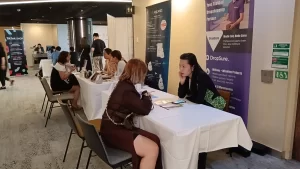
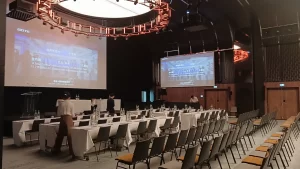
At the event, DropSure’s booth attracted a lot of attention. We demonstrated how the DropSure platform helps sellers operate efficiently without holding inventory—from one-click product selection to fast shipping, from branded packaging to customer experience. Every step is simplified yet professional, addressing the top concerns of cross-border sellers such as timeliness, cost, and service stability.

Many French independent site sellers and market operation teams engaged in deep conversations with us, showing strong interest in DropSure’s efficient, transparent, and automated global fulfillment capabilities.
Face-to-Face Communication

Beyond the booth display, the DropSure team also participated in offline networking sessions extending from the forum, discussing topics including the development of the European market, consumer preferences, and localized supply chain services.

Through these face-to-face interactions, we gained a deeper understanding of the real needs of French local e-commerce sellers and introduced them to DropSure’s customized logistics routes and localized service capabilities tailored for the European market.

Exhibition

European Market Layout

This trip to France was not only an opportunity to showcase our platform’s strengths but also a significant step in DropSure’s formal launch of localized market deployment in Europe. Our upcoming plans include further optimizing services for France and neighboring European markets, such as:
● Enhancing local logistics efficiency and shortening transit times
● Expanding customizable product categories and brand services
● Strengthening supply chain collaboration with French and European service providers
● Regularly organizing online and offline sharing and training events for local sellers
fb31d4c4-e4c8-4fdd-bc3b-71f304fc388f

Join the DropSure Family

DropSure is committed to building a dropshipping platform that enables sellers worldwide to easily start and expand their businesses. We warmly welcome sellers from France and Europe to join the DropSure platform and embark on a high-efficiency, transparent, and low-barrier global sales journey.

Contact Us 

● Official website: https://www.dropsure.com/
● Business cooperation contact: marketing@DropSure.com
● For more events and platform updates, please follow DropSure’s official Facebook page

buttom

DropSure is Your Best Partner
22 Years Experience
Affiliate Rebates
100% Quality Guarantee
Top-Up Rewards
10+ Global Warehouses
Custom Branding Support
Smart inventory System
24/7 Customer Support
Get a Quote in 24 Hours
Start Sourcing for Free

Keep Learning

You’ve probably heard the saying: “Price = Cost × 2.” Sounds nice, doesn’t it?But anyone who’s done dropshipping knows — if you really follow that, you’ll basically end up eating dirt. This article will walk you through, step by step: where your profits actually go, and how to calculate a realistic pricing strategy to avoid the nightmare of “the more you sell, the more you lose.” The Cost Components of Dropshipping  Don’t fool yourself into thinking the cost is just what you pay on 1688, AliExpress, or Temu. The real cost = product price + shipping + fees + marketing expenses + returns/customer service + taxes + your own salary/profit expectations. Let’s break it down: Cost Item Example Data (Selling One T-shirt) Product Cost ¥20 (AliExpress cost) International Shipping ¥15 (ePacket or Yanwen small package) Platform Fees ¥5 (e.g., PayPal + Shopify transaction fees) Marketing Cost ¥30 (Facebook ad spend) Returns/After-sales Allocation ¥3 (average 1 return per 10 orders) Other Expenses ¥2 (Shopify subscription, domain, customer service, etc.) Total Cost ¥75 Note: This doesn’t include your profit expectations yet. How to Calculate Your “Bottom-Line Price”   Many people set prices on a whim: “The product cost is ¥30, so I’ll sell it for ¥60. That should be enough to make a profit.” But in dropshipping, this kind of pricing is basically suicidal. Your costs are much more than just the product price — you have shipping, advertising, platform fees, after-sales costs, and more. If you don’t calculate these clearly, you might think you’re making money on a sale, but in reality, you’re losing. So let’s get clear on a crucial concept — the bottom-line price. What is the bottom-line price?The […]

In the ever-changing landscape of international trade, cross-border e-commerce is seizing unprecedented development opportunities. The dropshipping model, with its low start-up barrier and financial cost advantages, is gradually becoming a popular choice among e-commerce entrepreneurs. Sellers do not need to pre-stock inventory or rent warehouses, but can instead focus solely on product promotion and sales, while suppliers handle production and shipping, significantly reducing initial risks. However, while enjoying the convenience of dropshipping, cross-border e-commerce also faces a complex and dynamic international market and regulatory environment. Varying consumer preferences and regulatory requirements across countries make compliance operations key to ensuring robust business development. Only by strictly adhering to all regulations can sellers effectively manage risks and achieve long-term success. This article will explore compliance operation methods for cross-border e-commerce dropshipping, analyze the model’s advantages and potential risks in detail, and provide you with practical compliance recommendations. What is Dropshipping? Dropshipping is a retail model where the seller (also known as the dropshipper) does not directly hold or manage inventory. In this model, the seller showcases products on an online store or e-commerce platform. Once a customer places an order, the seller forwards the order details directly to the supplier or manufacturer. The supplier or manufacturer then ships the product directly to the customer. So, what are the advantages of dropshipping? Imagine you are the owner of an online clothing store. You don’t need to rent a warehouse to store thousands of pieces of clothing or worry about unsold inventory. Instead, you simply display photos and descriptions of the clothing on your website, and once a customer orders, you notify the supplier to ship the product. This is the freedom that the […]

Confused about whether you should pursue dropshipping or traditional ecommerce? Don’t worry, you’re never alone, we have got your back with you step by step! Long Descrition In this article, we’ll break down the essentials of each so that you can decide which is best for your own goals! Things like operations management, customer service, inventory, and logistics will look slightly different, depending on which model you go with. Let’s get started to find the best for you! This guide elaborates on the core features to help you come to a decision that is right for your business. What is Dropshipping? Dropshipping is a super easy way to operate an online store without having to think about holding stock, filling boxes or sending products. When someone orders from your store, you forward the order to your supplier, who sends the product directly to the customer. That’s it! You never even have to touch the product. Source: Red Stag Fulfillment As seller, your job is to promote the products and care for your customers—answer any questions, resolve any issues, and ensure they’re happy. The supplier handles everything else: they manage the inventory, pack the order, and ship it directly to your customer. It means that you can concentrate on simply growing your business while they manage the logistics. What is Traditional Ecommerce? Traditional ecommerce is the business model most people are accustomed to. In this model, you maintain your own inventory of goods, and take care of all facets of your business. You oversee everything from inventory management to packaging and shipping. You are basically the perfect “store owner.” You’re responsible for creating and managing product listings, making sure you have […]

Recommended for you