













 En
En
 9 min read
Introduction: The New Face of E-commerce
In today’s digital economy, starting an online business no longer requires warehouses stacked with products or massive upfront investments. Thanks to the dropshipping model, anyone with a laptop and internet connection can launch an e-commerce business with minimal risk. Dropshipping has transformed the global retail landscape by eliminating one of the biggest traditional barriers to entry — inventory.
If you’ve ever dreamed of running your own online store but were held back by fear of inventory management, logistics, or storage costs, this beginner’s guide is for you. In this article, we’ll explain everything you need to know about dropshipping — what it is, how it works, and the practical steps to build a profitable dropshipping business from scratch.
What Is Dropshipping?
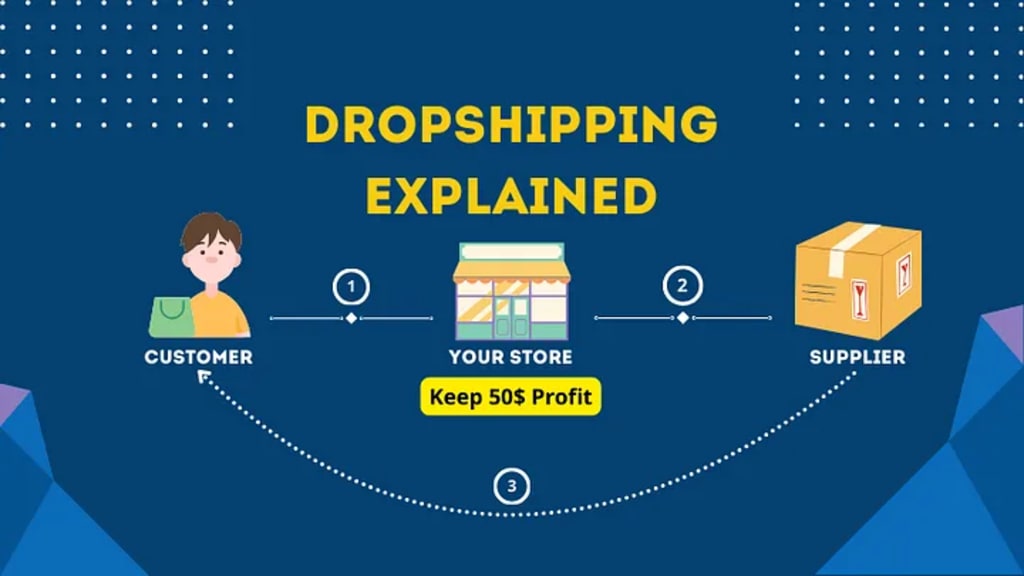
Dropshipping is an order fulfillment method where the retailer doesn’t keep products in stock. Instead, when a customer makes a purchase, the retailer forwards the order to a third-party supplier who ships the product directly to the customer.
That means as a dropshipper, you never handle or store the inventory yourself. Your primary role is to market and sell products, while the supplier manages manufacturing, warehousing, and shipping.
Here’s how it typically works:
-
You set up an online store and list products from your supplier.
-
A customer places an order and pays you retail price.
-
You forward the order to your supplier, paying the wholesale price.
-
The supplier ships the product directly to your customer.
-
You keep the profit — the difference between the retail and wholesale prices.
Why Dropshipping Is So Popular
Dropshipping has gained immense popularity among entrepreneurs, especially beginners, for a few key reasons:
1. Low Startup Costs
You don’t need to buy products upfront or rent a warehouse. Your biggest investment is usually a website, marketing, and your time.
2. Minimal Risk
Since you only purchase a product after it’s sold, there’s no risk of unsold inventory.
3. Location Independence
You can run your store from anywhere — all you need is Wi-Fi and a laptop.
4. Wide Product Selection
With dropshipping, you can offer a wide variety of products without worrying about stocking them. Want to sell home décor, pet supplies, and phone accessories? You can.
5. Scalable Business Model
Once you find products that sell well, scaling is easy — suppliers handle fulfillment while you focus on marketing and customer service.
The Downsides: What You Should Know Before Starting
While dropshipping offers freedom and flexibility, it’s not a get-rich-quick scheme. Understanding its challenges can help you avoid beginner mistakes.
1. Lower Profit Margins
Because competition is fierce and prices are transparent online, margins can be thin. You need to differentiate through branding, customer experience, or niche targeting.
2. Limited Control Over Fulfillment
Since suppliers handle shipping, issues like late deliveries or packaging mistakes can happen — and your customers will blame you.
3. Supplier Reliability
Working with unreliable suppliers can damage your brand. Always vet your partners carefully.
4. Customer Service Complexity
If a product arrives damaged or delayed, you’re responsible for handling the complaint, even though the problem occurred at the supplier’s end.
5. Brand Differentiation
Since other stores may sell the same products, standing out requires effort in content, storytelling, and marketing.
How to Start a Dropshipping Business: Step-by-Step Guide
Let’s walk through the process of starting your dropshipping business — from idea to first sale.
Step 1: Choose a Profitable Niche
Your niche defines your audience, product range, and brand identity. A good niche is profitable, focused, and in-demand.
Ask yourself:
-
Who do I want to sell to?
-
What problems can my products solve?
-
Are people actively searching for these products online?
Examples of profitable niches:
-
Home fitness and wellness
-
Pet supplies
-
Eco-friendly products
-
Travel accessories
-
Baby products
-
Home décor
-
Smart gadgets
Pro tip: Use tools like Google Trends, Ahrefs, or SEMrush to research keyword demand and competition levels.
Step 2: Find Reliable Suppliers
Suppliers are the backbone of your dropshipping business. Partnering with the wrong one can ruin your reputation.
Where to find suppliers:
-
AliExpress – Large selection, beginner-friendly.
-
CJ Dropshipping – Faster shipping, global warehouses.
-
Spocket – Focuses on US and EU suppliers.
-
SaleHoo – Verified supplier directory.
-
DSers – Official AliExpress partner with bulk order support.
Evaluate suppliers on:
-
Product quality
-
Delivery times
-
Customer service
-
Reviews and reputation
-
Ability to provide product samples
Before listing a supplier’s product, order samples to test packaging, delivery speed, and quality.
Step 3: Build Your Online Store
Your online store is your brand’s home. Choose an e-commerce platform that supports dropshipping integrations.
Popular options:
-
Shopify – Easiest for beginners with built-in dropshipping tools.
-
WooCommerce – Flexible WordPress plugin, great for customization.
-
Wix eCommerce – Simple drag-and-drop builder.
-
BigCommerce – Scalable and powerful for growing brands.
Key pages to include:
-
Home page with clear branding
-
Product pages with detailed descriptions
-
About Us page (builds trust)
-
Contact page with email or chat support
-
FAQ and shipping policy page
Step 4: Set Up Payment Gateways
Make it easy for customers to pay you. Common options include:
-
PayPal
-
Stripe
-
Credit/Debit cards
-
Apple Pay / Google Pay
Ensure your checkout process is simple and secure, as payment friction often leads to abandoned carts.
Step 5: Create Compelling Product Listings
Your product listings are your sales pitch. Good listings convert browsers into buyers.
Best practices:
-
Use high-quality photos (preferably lifestyle images).
-
Write detailed, benefit-focused descriptions.
-
Include key specifications and clear pricing.
-
Add social proof like reviews or testimonials.
-
Use SEO keywords naturally to attract organic traffic.
Step 6: Market Your Store
Without traffic, your store can’t make sales. Marketing is the engine of your dropshipping business.
1. Social Media Marketing
Platforms like TikTok, Instagram, and Pinterest are powerful tools for visual products. Post creative videos, lifestyle photos, and customer testimonials.
2. Influencer Collaborations
Partner with micro-influencers who align with your niche. They can help you reach a targeted audience quickly.
3. Paid Advertising
Use Facebook Ads or Google Ads to target customers by interest, behavior, and demographics.
4. Content Marketing
Start a blog or YouTube channel sharing tips, product use cases, or trends in your niche. Organic content builds authority and long-term traffic.
5. Email Marketing
Build an email list using pop-ups or discounts and send newsletters to retain customers.
Step 7: Manage Orders and Customer Service
Automation tools like DSers, Zendrop, or Shopify Flow can help you process orders efficiently.
When issues arise:
-
Respond to customers promptly.
-
Offer clear return/refund policies.
-
Take responsibility even if the supplier caused the problem.
Remember: Excellent customer service can turn one-time buyers into loyal fans.
Advanced Tips for Scaling Your Dropshipping Business
Once you’re generating consistent sales, it’s time to optimize and scale.
1. Focus on Bestsellers
Identify your top 20% of products generating 80% of sales, and double down on marketing them.
2. Build a Brand
Customize packaging, add your logo, and tell a compelling brand story. Branded dropshipping increases customer loyalty and profit margins.
3. Optimize for Conversions
Use A/B testing to improve your website’s layout, copy, and checkout flow.
4. Use Data Analytics
Track sales, ad performance, and customer behavior using tools like Google Analytics or Shopify reports.
5. Expand to New Markets
Offer international shipping or translate your store into multiple languages to reach new audiences.
Common Mistakes Beginners Should Avoid
-
Choosing products only because they’re trending — Focus on evergreen niches.
-
Ignoring supplier vetting — Always test your supplier before scaling.
-
Underpricing — Don’t race to the bottom. Compete on value, not price.
-
Neglecting customer service — A single bad review can hurt your brand.
-
No clear target audience — Know exactly who you’re selling to.
Conclusion: Building a Business That Lasts
Dropshipping isn’t just about making quick money — it’s about building a sustainable online business. The model offers flexibility and accessibility that traditional retail can’t match, but success still requires dedication, research, and consistent effort.
The key to thriving in the dropshipping world isn’t selling everything to everyone. It’s finding the right niche, working with trustworthy suppliers, and creating an authentic brand that customers trust.
With the right strategy and mindset, you can turn your zero-inventory idea into a real online empire. Whether you dream of financial freedom, a side hustle, or a full-time business, dropshipping is a great way to start.