En
En
 13 min read
In today’s thriving e-commerce environment, retailers face a crucial choice: choosing between direct shipping and dropshipping. The direct shipping model, by shipping products directly from suppliers to consumers, offers better product control and faster logistics, but it may come with challenges in inventory management and costs.
Conversely, the dropshipping model, by entrusting order fulfillment to third-party suppliers, lowers initial investment and warehousing costs while expanding product variety, though it might affect profit margins and service quality.
In 2025, retailers need to weigh the pros and cons of both models based on their resources, business objectives, and market demands to choose the strategy that best fosters sustainable growth.
Direct Shipping: A Detailed Analysis
When you choose the direct shipping order fulfillment method, it means that you hold inventory on your own and ship products directly from your own warehouse or via a third-party logistics provider (3PL) to customers. Although this method requires a higher upfront investment, it can offer you higher profit margins and greater control over the customer experience.
Direct Shipping Operation Process
As a retailer, the direct shipping model requires you to begin with inventory management. You need to closely monitor market trends and consumer demand to ensure timely procurement and restocking. For example, if you run a clothing store, you must predict which styles will be popular based on seasonal changes, fashion trends, and historical sales data, and then purchase the corresponding inventory accordingly.
When a customer places an order on your platform, the order information is transmitted directly to your warehouse management system. Here, the order is processed rapidly, including selecting the correct product, packaging, and preparing it for shipment. For instance, Amazon uses highly automated warehouses to enhance the efficiency of picking and packing, ensuring that orders are shipped promptly.
Next, the product is sent to the customer through your chosen logistics channel. You can opt to collaborate with third-party logistics providers or establish your own logistics network. For example, Zara has its own logistics network, enabling the rapid delivery of newly designed products to stores worldwide.
Finally, providing high-quality customer service is key to the success of the direct shipping model. This includes promptly responding to customer inquiries, handling returns and refund requests, and resolving any after-sales issues.
Pre-Investment and Cost Considerations
In the direct shipping model, you need to make an upfront investment to build and maintain inventory. This includes purchasing products, leasing or constructing warehouses, and acquiring the necessary equipment and systems. For example, Amazon has established multiple warehouses worldwide to store and distribute its extensive range of products, and the construction and maintenance of these warehouses require significant upfront investment.
The cost of leasing or building a warehouse is also an important factor to consider. You must select the appropriate warehouse space based on your business scale and expected growth while considering the warehouse’s location to optimize delivery efficiency. For instance, Walmart’s warehouses are typically located in areas with convenient transportation to reduce transit times and costs.
Additionally, working with third-party logistics providers or establishing your own logistics network also demands an upfront investment. You need to evaluate the cost-effectiveness of various logistics solutions and consider the long-term operational expenses. For example, logistics companies like DHL and FedEx provide transportation and delivery services for many retailers, but their fees can vary depending on service levels and shipping distances.
Profit Margins and Customer Experience Control
The direct shipping model allows you to transact directly with consumers, reducing intermediary steps and thereby increasing profit margins. You can further enhance profit margins by optimizing procurement costs, improving operational efficiency, and boosting sales. For example, Apple increases its profit margins by selling products directly to consumers, thus avoiding retailer commissions.
At the same time, the direct shipping model enables you to better control the customer experience. You can ensure that product packaging and shipping meet your brand image and quality standards. Moreover, you can communicate directly with consumers, gather feedback, and respond quickly to their needs and concerns. For instance, Warby Parker allows customers to try on multiple pairs of glasses for free and provides a convenient online return service.

Challenges of the Direct Shipping Model
One of the challenges of the direct shipping model is accurately forecasting market demand. You need to predict demand based on historical sales data, market trends, and consumer behavior, and adjust inventory levels accordingly. This requires robust data analysis capabilities and flexible supply chain management. For example, Zara uses advanced data analysis tools to predict which styles will be popular and adjusts production plans accordingly.
Logistics efficiency is another challenge. You must establish an efficient logistics system to ensure that products are delivered to consumers quickly and cost-effectively. This may require investing in advanced logistics technologies and automation equipment. For instance, Amazon employs robots and automated systems to enhance warehouse operations.
Providing high-quality customer service is also challenging. You need to build an efficient customer service team and provide training to ensure they can handle various customer issues. Additionally, you must establish an effective returns and refunds process to boost customer satisfaction. For example, Nordstrom is renowned for its lenient return policy, allowing customers to return items at any time after purchase.
Technology and System Requirements
To effectively execute the direct shipping model, you must rely on several key technological systems. An order management system can help automate the order processing workflow, improving efficiency and reducing errors. For example, Shopify offers an integrated order management system that handles order receipt, inventory updates, and order fulfillment.
An inventory management system can help you track inventory levels, forecast demand, and automatically replenish stock. This can reduce the risk of stockouts and optimize inventory costs. For instance, Zara uses a centralized inventory management system to monitor inventory levels across its global stores and automatically replenish stock based on sales data.
A customer relationship management (CRM) system can assist you in managing customer information, tracking purchase history, and offering personalized services. This helps build long-term relationships with customers and enhances customer loyalty. For example, Starbucks uses a CRM system to manage its loyalty program and offer personalized discounts based on customers’ purchase histories.
These systems need to be regularly updated and maintained to ensure their performance and security. Additionally, you must ensure that data can be seamlessly integrated across these systems to improve overall operational efficiency.
Dropshipping
Dropshipping Operation Process
Selecting a Dropshipping Supplier
Retailers need to carefully evaluate and choose reliable dropshipping suppliers. This involves checking the supplier’s reputation, product quality, pricing, delivery times, and customer service. For example, retailers can make decisions by referring to supplier reviews, historical sales data, and customer feedback.
Product Listing and Pricing
Retailers upload the supplier’s product information (such as images, descriptions, prices, etc.) to their online store and set appropriate retail prices. For example, retailers need to consider product costs, shipping fees, platform fees, and desired profit margins when pricing.
Order Processing and Synchronization
When a customer places an order in the retailer’s online store, the order information is automatically or manually synchronized with the supplier’s system. For example, retailers can use integrated e-commerce platforms (like Shopify) and dropshipping services (such as Oberlo) to achieve real-time order synchronization.
Supplier Shipment
The supplier picks the ordered products from their warehouse based on the order information and ships them directly to the customer. For instance, the supplier might use different logistics services (such as UPS, FedEx, or postal services) to handle international or domestic shipments.
Tracking and Customer Communication
Retailers need to track order status and maintain communication with customers to ensure they are updated on the order’s progress. For example, retailers can send automated emails notifying customers that their order has shipped and provide tracking numbers.
Advantages and Disadvantages of Dropshipping
Advantages
Low Inventory Risk
The dropshipping model allows retailers to avoid the risk of overstocking and obsolete products. For example, in the fashion industry where seasonal changes are rapid, retailers can avoid inventory buildup due to inaccurate forecasts.
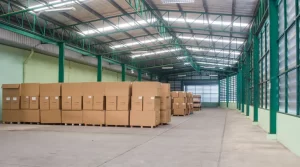
Expanded Product Range
Retailers can offer a broader selection of products without worrying about inventory management. For instance, they can sell unique items from around the world without having to hold the stock themselves.
Improved Operational Efficiency
The dropshipping model enables retailers to focus on marketing and customer service rather than inventory management and logistics. For example, the time and resources saved can be used to enhance the online store’s user experience and search engine optimization (SEO).
Disadvantages
Dependency on Suppliers
Retailers are highly dependent on suppliers, which may lead to supply chain disruptions and business risks. For instance, if a supplier encounters production issues or shipping delays, the retailer’s business may also be affected.
Compressed Profit Margins
Due to fees paid to suppliers, the profit margins for retailers may be lower. For example, in highly competitive markets such as electronics, suppliers might offer lower wholesale prices, thereby compressing the retailer’s profit margins.
Difficulty in Maintaining Brand Consistency
Since products are shipped directly from the supplier, it might be challenging for retailers to maintain brand consistency. For instance, the packaging materials and methods might not align with the retailer’s brand image, affecting the customer’s brand experience.
Implementation Suggestions
Strict Supplier Evaluation
For you, conducting rigorous evaluations of suppliers is a crucial step in ensuring supply chain stability and product quality. This involves regularly checking whether the products supplied meet predetermined quality standards, assessing the supplier’s delivery speed and reliability, and gathering feedback from end customers. Based on these evaluations, you can adjust your partnerships, choose the best-performing suppliers, and promptly address any issues that may arise.
Optimize Product Pricing Strategy
Optimizing your product pricing strategy is key to maintaining competitiveness. You need to thoroughly understand the product cost structure—including procurement costs, shipping fees, tariffs, and platform fees—to ensure that the pricing covers all expenses while yielding a reasonable profit. Additionally, price your products based on the target market and customer willingness to pay, and take into account competitors’ pricing strategies. You can use software tools to monitor market dynamics and competitor price changes, and adjust your pricing strategy accordingly.
Improve Customer Service Quality
Enhancing customer service quality is vital for building customer trust and satisfaction. Even if you do not have direct control over the product, you must ensure good communication with customers, provide transparent order status updates, and offer top-notch customer service. This includes establishing multi-channel communication methods, offering detailed order tracking information, and formulating clear return and refund policies.

Use Automation Tools to Improve Efficiency
Automation tools can significantly boost your operational efficiency and reduce human errors. These tools can help you monitor inventory levels, automatically trigger reorders or notify suppliers when stock is low, thus minimizing the risk of stockouts. Furthermore, automating the order processing workflow ensures that each step—from order receipt to shipment—is executed quickly and accurately. Additionally, leveraging automation tools to collect and analyze business data can support your decision-making process.
Establish a Contingency Plan
Developing a contingency plan is an important strategy for handling supply chain disruptions and market fluctuations. This includes identifying backup suppliers to quickly switch if your primary supplier encounters issues; maintaining a certain level of inventory for critical products as a reserve; and partnering with multiple logistics providers while devising backup shipping strategies.
Continuously Monitor Market Trends
Constantly monitoring market trends is essential for adjusting your product lines and marketing strategies. Regular market research helps you understand shifts in consumer demand and emerging trends. Based on these insights, you can adjust your marketing strategies—such as promotional campaigns and advertising placements—to attract your target customers and fine-tune your product offerings in response to market trends.
By following these detailed implementation suggestions, you can better manage your dropshipping business and remain competitive in a highly competitive market. We hope this guidance helps you gain a deeper understanding of how to effectively implement the dropshipping model.
Conclusion
It is recommended that retailers weigh the pros and cons of direct shipping and dropshipping based on their business needs, resources, and objectives. The decision should align with the order fulfillment strategy that best fits their business model. Whether it’s the higher profit margins and control offered by direct shipping or the low upfront investment and product diversity provided by dropshipping, the key is to strike a balance that optimizes operational efficiency while meeting customer expectations.
Furthermore, integrating DropSure’s strategy will further enhance retailers’ competitive edge. DropSure not only provides precise data analysis and supply chain management support but also plays a significant role in multi-channel order processing and inventory optimization. By leveraging DropSure’s technological advantages, retailers can more effectively integrate the benefits of both direct shipping and dropshipping, achieving omnichannel synergy to ensure sustainable and healthy business growth in a highly competitive market.