< Blogs

Cross-Border E-commerce Dropshipping: Compliance, IP & Consumer Protection

Vivan Z.
Created on March 28, 2025 – Last updated on April 1, 202513 min read
Written by: Vivan Z.

In the ever-changing landscape of international trade, cross-border e-commerce is seizing unprecedented development opportunities. The dropshipping model, with its low start-up barrier and financial cost advantages, is gradually becoming a popular choice among e-commerce entrepreneurs. Sellers do not need to pre-stock inventory or rent warehouses, but can instead focus solely on product promotion and sales, while suppliers handle production and shipping, significantly reducing initial risks.

However, while enjoying the convenience of dropshipping, cross-border e-commerce also faces a complex and dynamic international market and regulatory environment. Varying consumer preferences and regulatory requirements across countries make compliance operations key to ensuring robust business development. Only by strictly adhering to all regulations can sellers effectively manage risks and achieve long-term success.

This article will explore compliance operation methods for cross-border e-commerce dropshipping, analyze the model’s advantages and potential risks in detail, and provide you with practical compliance recommendations.

What is Dropshipping?

Dropshipping is a retail model where the seller (also known as the dropshipper) does not directly hold or manage inventory. In this model, the seller showcases products on an online store or e-commerce platform. Once a customer places an order, the seller forwards the order details directly to the supplier or manufacturer. The supplier or manufacturer then ships the product directly to the customer.
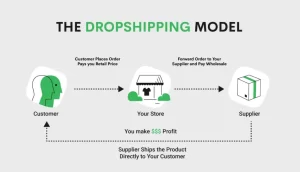
dropshipping model

So, what are the advantages of dropshipping?

Imagine you are the owner of an online clothing store. You don’t need to rent a warehouse to store thousands of pieces of clothing or worry about unsold inventory. Instead, you simply display photos and descriptions of the clothing on your website, and once a customer orders, you notify the supplier to ship the product. This is the freedom that the dropshipping model offers.

Additionally, when a customer sees an item on your website and places an order, the order information is immediately relayed to your supplier. The supplier then picks the product from their warehouse based on the order details and ships it directly to the customer. This process is fast and efficient, reducing intermediaries and improving response times.

In the dropshipping model, your profit comes from the difference between the selling price and the supplier’s wholesale price. For example, if the wholesale price of an item is $20 and you sell it for $40, once the customer places an order, you pay $20 to the supplier and keep the remaining $20 as profit. This model enables you to make sales with minimal upfront costs.

Compliance in Operation: Key Points for Dropshipping in Cross-Border E-commerce

When operating a dropshipping business in cross-border e-commerce, compliance is critical. To conduct your business legally and in accordance with regulations, please consider the following points:

Avoid Infringing Intellectual Property Rights 

Unauthorized use of another party’s brand name or trademark 

This refers to the use of another party’s brand name, logo, or trademark without obtaining proper authorization. Whether it’s on product packaging, promotional materials, or website displays, using protected brand elements may confuse consumers into mistakenly believing that the product is associated with a well-known brand. Such actions not only harm the reputation of the original brand but may also lead to legal disputes, resulting in high compensation and administrative penalties for the company.
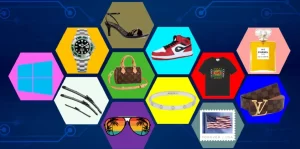
Unauthorized use of another party's brand name or trademark

Selling Products That Are the Same or Similar to Popular Brands  

Selling items with a highly similar appearance, design, or style to those of popular brands can easily mislead consumers into believing that the products are genuine or officially licensed. Even if the product quality differs, an overly similar design may infringe on the original brand’s design rights or patents, potentially leading to legal disputes. Once consumers’ trust in authentic products is undermined, it not only damages the brand’s image but also disrupts market competition, resulting in significant economic losses and reputational crises.

Sourcing Products from Unregulated Channels 

Purchasing products through unregulated channels often lacks proper documentation of legitimate sourcing. This increases the likelihood that the products are counterfeit, substandard, or of poor quality. Selling such products not only causes direct economic and safety losses for consumers but also exposes the business to infringement and fraud risks. Regulatory authorities impose strict penalties on counterfeit and substandard products, and businesses may face severe sanctions, potentially leading to the collapse of their commercial reputation and brand image.

Selling Products with Copyrighted Designs 

Using copyrighted design elements in the production and sale of products without authorization constitutes direct infringement. For example, printing Disney characters or other well-known copyrighted images on items such as T-shirts and hats without permission can easily lead consumers to assume that the product has official endorsement. Such actions not only severely violate the legal rights of the copyright holders but, once discovered, may result in lawsuits with heavy compensatory damages and market bans, among other adverse consequences.

Recommendations to Avoid Infringement Risks 

In actual business operations, to avoid legal risks and commercial losses associated with intellectual property infringement, it is essential to verify the credentials of your suppliers. Businesses should ensure that suppliers possess valid business licenses, brand authorization certificates, and other relevant documents, thereby reducing the risk of procuring infringing products. Before listing products for sale, it is advisable to have thorough communication with suppliers, clearly conveying the intention to sell products through overseas online channels and discussing related intellectual property issues in detail, ensuring that both parties have a clear understanding of their responsibilities and obligations.

Additionally, tools such as Google’s “reverse image search” can be utilized to compare product appearances and designs to detect any high similarity to well-known brands, thus identifying potential infringement risks early. If there is any uncertainty during information gathering and assessment, it is important to consult with a professional lawyer familiar with the relevant laws and regulations. A lawyer can not only interpret specific intellectual property laws but also assist the business in formulating compliant sales strategies, ensuring that all applicable intellectual property laws and standards in foreign markets are adhered to, thereby safeguarding the business’s legal rights and market competitiveness.

reverse image search

Common Behaviors That Harm Consumer Rights

Abusing Consumer Personal Information
The personal information provided by consumers during the shopping process is sensitive data and should not be misused. Some sellers may use consumer information for unauthorized marketing activities or sell it to third parties, thereby infringing on consumers’ privacy rights. To protect consumer privacy, sellers should clearly inform consumers of the purpose when collecting information and obtain their consent to receive marketing emails. Additionally, providing a clear link to the privacy policy on the platform ensures that the handling of information is transparent and secure. 


Implementing Unreasonable Return and Exchange Policies and Concealing Costs 

Unreasonable return and exchange policies can make it difficult for consumers to assert their rights when issues arise. Hiding information about associated costs can also lead to misunderstandings in purchasing decisions. To safeguard consumer rights, sellers should establish a dedicated returns and exchanges policy page that details all terms and fees, ensuring transparency. Clear policies not only help consumers understand their rights but also contribute to establishing the company’s image of integrity.

Lack of Accurate or Updated Logistics Tracking Information 

Timely and accurate logistics tracking information is a key part of the consumer experience. Some sellers, due to choosing unreliable logistics service providers, may leave consumers without the latest logistics status during the waiting period, thereby affecting the shopping experience. Selecting a logistics provider that offers comprehensive tracking services, ensuring that consumers can always check the delivery progress, is an important measure to protect consumer rights.

Insufficient After-Sales Support or Difficulty Reaching Customer Service 

After-sales service is crucial for consumers when they encounter issues after purchasing a product. Insufficient after-sales support or difficulty reaching customer service can easily lead to consumer dissatisfaction and complaints. An effective after-sales service system should not only promptly address consumers’ questions and complaints but also establish multi-channel customer contact mechanisms so that consumers can receive effective assistance when issues arise. This, in turn, improves the overall shopping experience and enhances the company’s reputation.

Insufficient After-Sales

Accurate Advertising Should Reflect the Actual Product 

In all marketing activities, the advertising content must truthfully reflect the actual products being sold. If there is a significant discrepancy between the advertised product and the actual product received, consumers will be severely misled, which may lead to legal actions and a crisis of trust. Sellers should ensure that advertisements, images, and descriptions are consistent with the actual product, avoiding exaggeration or false advertising. This approach not only effectively reduces legal risks but also helps in building long-term, stable customer relationships.

Common Advertising Errors

Exaggerating Product Features or Effects 

Exaggerating a product’s features or effects in advertising copy can lead consumers to develop unrealistic expectations, resulting in disappointment when the product is actually used. To build long-term trust, sellers should use precise and objective language to describe product functions, ensuring that marketing content accurately reflects the product’s real performance. This helps avoid consumer complaints or legal disputes arising from discrepancies between the promotion and the actual product.

Over-Enhancing Images 

Using overly enhanced product images may mislead consumers, who might later discover significant differences between the promoted appearance and the actual product. Therefore, sellers should opt to display genuine images, or re-photograph and edit images in a realistic setting, to ensure that the visual representation accurately reflects the product’s true condition. This approach enhances customer satisfaction and trust.

Inaccurate Product Descriptions 

Inaccurate or vague product descriptions can lead to doubts about the product’s functions, specifications, and quality. After thorough communication with suppliers, sellers should ensure that all product details—such as materials, ingredients, and certification marks—are accurately reflected on the product page. This helps consumers make informed purchasing decisions and reduces the risk of disputes caused by information asymmetry.

Manipulating Product Reviews 

Some sellers attempt to manipulate product reviews to enhance the product’s image. This behavior not only violates principles of honest business practices but can also result in a poor consumer experience after purchase, ultimately damaging the company’s reputation. Maintaining genuine product reviews helps consumers obtain objective feedback. Sellers should encourage honest evaluations from buyers and avoid any form of deceptive promotion, thereby establishing a robust system of customer trust.

Manipulating Product Reviews 

Exaggerating Discount Offers 

While exaggerating discount offers in promotional activities can quickly attract consumer attention, discrepancies between the advertised and actual discounts can lead to consumer dissatisfaction and complaints. Reasonable pricing and transparent disclosure of discount information not only prevent issues of false advertising but also maintain the company’s image and market integrity, helping sellers build a strong reputation in a competitive environment.

Adhering to Tax and Licensing Regulations  

In cross-border dropshipping, it is not only important to maintain accuracy and truthfulness in advertising and product descriptions, but also to strictly comply with tax and licensing regulations. In mainland China, sellers need to hold a valid business license and timely declare VAT and corporate income tax; while operating in overseas markets, it is even more critical to pay attention to the tax requirements and licensing regulations of the target market. Properly managing tax issues and licensing compliance can help avoid account suspensions, website bans, or hefty fines due to violations, and lays a solid foundation for the long-term, stable development of the business.In summary, through the content above, you should have gained a more comprehensive understanding of the dropshipping model in cross-border e-commerce. This model, while having low barriers to entry and minimal capital costs, offers you an excellent opportunity to enter the international market. However, it also comes with complex legal regulations and market supervision risks.

Summery

To ensure your business develops steadily, you need to pay attention to intellectual property protection, consumer rights maintenance, truthful and accurate advertising, and strict compliance with tax and licensing regulations.

DropSure is Your Best Partner
22 Years Experience
Affiliate Rebates
100% Quality Guarantee
Top-Up Rewards
10+ Global Warehouses
Custom Branding Support
Smart inventory System
24/7 Customer Support
Get a Quote in 24 Hours
Start Sourcing for Free

Keep Learning

The increasing internal competition and the sharp decline in seller traffic have led many to seek new growth opportunities and channels. Recently, the American e-commerce platform Chewy announced that it is opening its doors to Chinese sellers, offering three cooperation models for sellers to choose from: Dropship, Procurement , and Import. Among these, the Dropship model is similar to Temu’s semi-managed model, where sellers are required to maintain inventory in the U.S., while Chewy sets the prices and handles logistics, with sellers only needing to supply the goods. Over the course of its development, the cross-border e-commerce industry has given rise to a variety of outbound models: from the initial policy regulation model, to later fully-managed platforms, independent sites/DTC, industrial cluster collaborations, and even comprehensive ecological outbound expansion. The approaches have become increasingly diverse as the market environment evolves. In response to the various outbound models prevalent in today’s cross-border e-commerce industry, we will compare and analyze the different models. Platform E-commerce Models For the majority of sellers, especially newcomers and beginners in the cross-border e-commerce industry, relying on third-party platforms such as Amazon, Temu, AliExpress, Shopee, and others is a common approach. These platforms provide essential traffic and infrastructure support. Let’s take Amazon and Temu as examples: Amazon Platform Model  To enhance the trustworthiness and visibility of your products, you can apply for A+ Content certification or establish a dedicated Brand Store. These features allow you to present your brand more professionally, potentially increasing conversion rates. However, these services are not free; you need to invest in them. Additionally, Amazon charges a referral fee, typically ranging from 6% to 15% of the product’s selling price, depending on the category. […]

Why sellers who fail to brand will be left behind — and how DropSure can help you win. As the e-commerce landscape matures, consumer expectations are rising faster than ever. The era of generic, no-logo, unboxed, low-quality dropshipping products is coming to an end. In 2026, the brands that win will not be the ones with the lowest price — but the ones with the strongest identity, most trustworthy packaging, and the most consistent customer experience. 2026 will be the breakout year for branded dropshipping. And sellers who don’t adapt will be phased out. Why Branding Will Dominate Dropshipping in 2026 1. Consumers no longer trust unbranded products Shoppers today expect quality, consistency, and authenticity. Plain, no-name products feel “cheap,” unreliable, and replaceable.Branding — even simple branding — instantly elevates perceived value and customer trust. A branded experience communicates: “This seller is professional.” “This product is reliable.” “This store cares about my experience.” In 2026, buyers will choose a branded store over a non-branded one every time.   2. Platforms are rewarding branded sellers TikTok Shop, Shopify, Amazon, and Meta Commerce are all shifting toward favoring: Strong product ratings Low return rates Consistent packaging Brand identity Unbranded sellers with high return complaints or poor customer experience are already seeing stricter reviews, limited exposure, or even account restrictions. Branding is no longer optional —it directly affects your visibility and conversion.   3. Branding increases margin and repeat customers When your product looks like your product, you escape price wars. Simple branding can increase: Perceived value Conversion rates Average order value Customer loyalty Lifetime customer value Branding makes your business a business — not just a low-margin reseller. How DropSure Helps Sellers […]

Should I focus on high-profit products or high-volume products? At first glance, the answer seems obvious. High margins sound attractive, while high sales volume feels safer. But in reality, dropshipping success rarely comes from choosing one extreme over the other. The most sustainable stores are built by sellers who understand how to balance profit margins and sales volume—and how that balance shifts depending on product type, traffic source, and business stage. This article breaks down the real economics behind dropshipping products, explains why many stores fail despite “good margins,” and shows how to select products that can scale without destroying cash flow, ad performance, or operational stability. 1. Understanding the Two Forces That Drive Dropshipping Revenue 1.1 Profit Margin: What You Earn Per Order Profit margin is usually calculated as: (Selling Price – Product Cost – Shipping – Transaction Fees – Ad Cost) = Net Profit High-margin products: Leave more room for advertising Absorb returns and refunds more easily Require fewer orders to be profitable But they often face higher resistance to purchase. 1.2 Sales Volume: How Many Orders You Generate Sales volume is driven by: Market demand Price sensitivity Ease of understanding the product Impulse-buy potential High-volume products: Move fast Generate social proof quickly Help stores look “alive” But they can suffer from thin margins and operational pressure. 2. Why Chasing Only High Margins Often Fails 2.1 The High-Margin Illusion Many beginners believe: “If I make $40 per sale, I only need a few orders a day.” In practice: High-margin products usually require stronger branding Conversion rates are lower Customer trust becomes a bigger barrier Without brand authority, expensive products are hard to scale. 2.2 Higher Prices Mean Higher […]

Recommended for you