En
En
 7 min read
In the early days of dropshipping, success often came from chasing what was popular. If a product went viral, thousands of sellers rushed in. Margins were high, competition was low, and speed mattered more than strategy.
That era is over.
Today’s dropshipping landscape is crowded, competitive, and algorithm-driven. Selling the same trending products as everyone else no longer guarantees profit—in fact, it often guarantees failure. Rising ad costs, price wars, and consumer fatigue have made “hot products” increasingly difficult to scale.
This is why a growing number of successful sellers are shifting their focus toward underrated, low-competition niches. These so-called “boring” or overlooked categories are quietly becoming the most reliable way to build sustainable dropshipping businesses.
In this article, we’ll explore a new product selection mindset—one that prioritizes niche depth over mass appeal, data-backed demand over hype, and long-term positioning over short-term wins.
1. Why Traditional Dropshipping Product Selection Is Failing
1.1 The Saturation Problem
Scroll through TikTok, YouTube, or Instagram, and you’ll see the same products repeated over and over:
-
Viral gadgets
-
“Problem-solving” kitchen tools
-
Beauty devices with dramatic demos
By the time these products reach mainstream attention:
-
Hundreds of stores are already selling them
-
Ad creatives look identical
-
Consumers have seen them too many times
Saturation doesn’t just reduce profit—it destroys trust.
1.2 Rising Costs and Shrinking Margins
Popular niches attract:
-
Aggressive ad bidding
-
Copycat competitors
-
Price undercutting
As a result:
-
Customer acquisition costs increase
-
Average order value stagnates
-
Profit margins collapse
Many sellers mistakenly believe the problem is marketing, when in reality, the issue lies in product selection.
2. What Does “Underrated Niche” Really Mean?
2.1 Underrated Does Not Mean No Demand
An underrated niche is not a dead niche. Instead, it typically has:
-
Stable or slowly growing demand
-
Limited advertising competition
-
Few dedicated brands
These niches often serve specific use cases, not mass audiences.
2.2 The Difference Between “Boring” and “Unprofitable”
Some categories look boring on the surface:
-
Industrial accessories
-
Niche home organization items
-
Specialized personal care tools
But boring products often:
-
Solve real problems
-
Have loyal customers
-
Support premium pricing
In e-commerce, boring can be beautiful.
3. Why Underrated Niches Are Perfect for Dropshipping
3.1 Lower Competition by Default
Most dropshippers chase:
-
Visual appeal
-
Viral potential
-
Emotional impulse buys
Underrated niches are ignored because they lack “wow factor”—which dramatically reduces competition.
3.2 Stronger Buyer Intent
Customers in niche markets:
-
Know what they need
-
Actively search for solutions
-
Care less about price, more about function
This leads to:
-
Higher conversion rates
-
Lower refund rates
-
Better customer satisfaction
3.3 Easier Brand Positioning
When fewer competitors exist, it’s easier to:
-
Become the “go-to” store
-
Build topical authority
-
Create educational content
Branding becomes a moat instead of an afterthought.
4. Shifting the Product Selection Mindset
4.1 Stop Asking “Is This Trending?”
Instead, ask:
-
Who needs this product regularly?
-
What specific problem does it solve?
-
Is the demand stable year-round?
Trends fade. Problems persist.
4.2 Think in Use Cases, Not Products
Winning niches often revolve around:
-
A specific lifestyle
-
A profession
-
A recurring task
Examples:
-
Home caregivers
-
Pet rehabilitation
-
Small-space living
-
Remote workers
These use cases support multiple products, not just one.
5. How to Identify Underrated Niches Using Data
5.1 Search Behavior Over Social Media Hype
Search engines reveal intent. When people search for something, they already have a problem.
Look for:
-
Consistent search volume
-
Long-tail keywords
-
How-to and solution-based queries
Stable search behavior often signals untapped opportunity.
5.2 Marketplace Clues
On platforms like Amazon or Etsy:
-
Moderate sales + few reviews = opportunity
-
Generic listings = branding gap
-
Poor visuals = differentiation potential
Underrated niches often suffer from low-quality sellers.
5.3 Advertising Silence Is a Signal
If you don’t see:
-
Aggressive ads
-
Influencer campaigns
-
Viral content
That doesn’t mean the niche is bad—it often means no one is paying attention yet.
6. Categories Where Underrated Niches Commonly Exist
6.1 Functional Home Products
Not decor. Not trends. But tools that:
-
Improve daily routines
-
Solve small frustrations
-
Increase efficiency
Think organization, maintenance, and hygiene.
6.2 Specialized Personal Care
Products designed for:
-
Seniors
-
Recovery and rehab
-
Sensitive skin
-
Niche grooming needs
These buyers value function over hype.
6.3 Hobby and Lifestyle Sub-Niches
Instead of “fitness,” think:
-
Home physiotherapy
-
Desk posture improvement
-
Outdoor gear maintenance
Specific beats broad every time.
7. Product Evaluation in Underrated Niches
7.1 Demand Validation Without Virality
You don’t need millions of views. Look for:
-
Consistent monthly searches
-
Steady sales over time
-
Repeat buying behavior
Predictability is more valuable than spikes.
7.2 Margin and Pricing Power
Underrated niches often allow:
-
Higher perceived value
-
Less price comparison
-
Premium positioning
Customers pay more when options are limited.
7.3 Logistics and Fulfillment
Ideal dropshipping products in these niches:
-
Are lightweight
-
Have low return rates
-
Are durable
Practical products reduce operational headaches.
8. Marketing Underrated Niches the Right Way
8.1 Education Over Entertainment
Instead of flashy ads, focus on:
-
Problem explanation
-
Before-and-after scenarios
-
Use-case demonstrations
Educational content builds trust quickly.
8.2 SEO and Content as Long-Term Assets
Underrated niches are perfect for:
-
Blog content
-
Buying guides
-
Comparison articles
Organic traffic compounds over time.
8.3 Community-Based Growth
Niche audiences gather in:
-
Forums
-
Facebook groups
-
Reddit communities
Authentic engagement often outperforms paid ads.
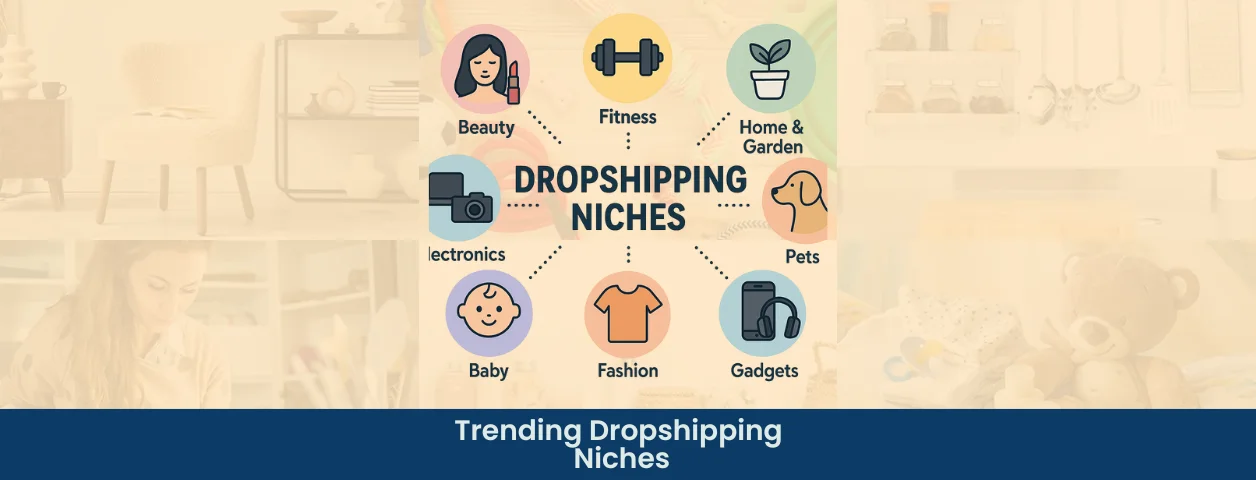
9. Case Logic: Why Small Niches Scale Better Than You Think
A niche doesn’t need millions of customers. It needs:
-
Enough buyers
-
Enough problems
-
Enough repeat use
Many six- and seven-figure stores are built on:
-
Narrow audiences
-
Focused product lines
-
Strong positioning
Scale comes from depth, not breadth.
10. Common Mistakes When Entering Underrated Niches
-
Assuming low demand equals no opportunity
-
Underestimating branding importance
-
Over-generalizing messaging
-
Giving up too early due to slow initial traction
Underrated niches reward patience and clarity.
11. Building a Long-Term Dropshipping Business with Niche Focus
11.1 From Store to Brand
Underrated niches make it easier to:
-
Build trust
-
Launch complementary products
-
Transition to private labeling
This is how dropshipping evolves into a real business.
11.2 Reduced Platform Risk
When you’re not dependent on:
-
One viral product
-
One ad platform
Your business becomes more resilient.
12. The Future of Dropshipping Belongs to Specialists
As competition increases, generalists lose their edge. The future belongs to sellers who:
-
Understand a specific audience deeply
-
Solve real, recurring problems
-
Build authority over time
Underrated niches are not shortcuts—they are strategic advantages.
Conclusion: Winning by Going Where Others Aren’t Looking
Dropshipping is not dead. Lazy product selection is.
While most sellers chase the same crowded categories, real opportunities are quietly waiting in overlooked niches. These markets reward insight over speed, understanding over hype, and strategy over shortcuts.
Choosing an underrated niche is not about playing small—it’s about playing smart.
In a crowded e-commerce world, the fastest way forward is often the path few are willing to take.