En
En
 8 min read
When it comes to starting a dropshipping business, choosing the right platform is essential for your success. Two of the most popular platforms in the e-commerce world are Banggood and AliExpress. But how do they compare? Which one is better suited for your dropshipping needs? In this article, we’ll dive into the specifics of both platforms, comparing their services, shipping times, product quality, and aftersales support. By the end of this article, you’ll have a clearer idea of which platform best suits your business goals. Let’s get started!
What is Banggood?
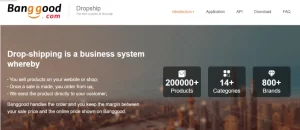
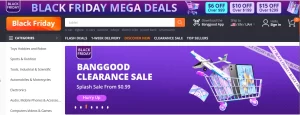
Banggood is a Chinese-based online retail platform founded in 2006, focusing on providing a wide variety of products, including electronics, home goods, fashion, toys, and sports equipment. With a global customer base and a strong presence in the e-commerce market, Banggood stands out as a solid option for dropshipping entrepreneurs.
Platform Strategy and Services
One of the key features that makes Banggood attractive to dropshipping businesses is its efficient supply chain management. Not only does it offer direct sales to customers, but it also caters to global sellers with a dropshipping program. Banggood provides features like customized packaging, faster shipping, and integration with multiple payment methods. Additionally, it offers tools specifically tailored for dropshippers, such as Banggood Dropshipping Center, where sellers can easily source products and manage their inventory.
User Base and Shipping Times
Banggood serves a diverse international customer base, with strong market penetration in Europe, North America, and other regions. Shipping times typically range from 7-20 days, depending on the destination, and the platform offers various shipping options to suit different needs. One standout feature is Banggood’s warehouse system, which includes warehouses in the US and Europe, allowing for faster local deliveries in certain regions.
Services Offered:
◉ In-house warehouse and logistics network
◉ Support for multiple payment methods
◉ Dedicated dropshipping accounts with enhanced features and support
◉ Faster shipping through regional warehouses in the US and Europe
◉ Product sourcing tools and promotional materials for dropshippers
What is AliExpress?

AliExpress is a global online retail platform operated by the Alibaba Group, known for its massive selection of products, including electronics, fashion, home goods, and accessories. Launched in 2010, AliExpress quickly became one of the world’s largest online marketplaces, with millions of sellers and buyers across the globe. For dropshippers, AliExpress is often seen as a go-to platform due to its wide product range and low prices.

While AliExpress is a popular choice for dropshipping, we’ve discussed its features in detail in a previous article, which you can read here. For now, let’s focus on the key aspects of AliExpress that are relevant for dropshipping:
Platform Strategy and Services
AliExpress is a marketplace that connects sellers (mostly from China) with international buyers. It offers a wide range of products, from electronics to fashion, often at very competitive prices. The platform also provides tools for dropshippers, including product research, bulk orders, and marketing support. AliExpress has built a strong reputation for being a reliable platform for global shopping, with millions of products available at wholesale prices.
User Base and Shipping Times
AliExpress has a massive international user base, and the platform serves customers across various regions, especially in Europe, the US, and Asia. Shipping times, however, can vary depending on the seller and the shipping method. For instance, AliExpress Standard Shipping can take anywhere from 15 to 45 days, while some sellers offer faster shipping methods like ePacket (10-20 days). That said, delivery times can sometimes be a challenge, especially for those looking for quicker shipping options.
Services Offered:
◉ Wide product selection from global suppliers
◉ Competitive prices and discounts
◉ Dedicated tools for dropshipping, including bulk ordering and product research
◉ AliExpress Affiliate Program for marketers
◉ Multiple shipping options (but delivery times may vary)
Banggood vs. AliExpress – Key Differences
Here’s a quick overview of how Banggood and AliExpress compare on various aspects:
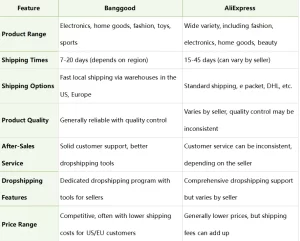
Now, let’s dive into more detailed comparisons on specific factors that matter most to dropshippers.
4. Shipping Time
Banggood has a clear advantage when it comes to shipping times. With warehouses located in the US and Europe, Banggood can offer faster local delivery, especially for customers in these regions. In general, shipping from Banggood takes between 7-20 days, making it more predictable for customers.
On the other hand, AliExpress shipping times can vary widely. While the platform offers various shipping methods, including ePacket (10-20 days), AliExpress Standard Shipping (15-45 days), and express shipping options like DHL, the overall shipping time can be inconsistent depending on the seller’s location and the shipping method chosen. If fast delivery is essential for your business, Banggood might be the better option.
5. Product Quality
Both Banggood and AliExpress offer a wide range of products, but the quality control can vary. Banggood has a reputation for reliable quality control, especially for its in-house brands and products sourced from established suppliers. However, like any platform, product quality can still vary depending on the supplier.
AliExpress, being a massive marketplace with many independent sellers, has a more mixed reputation when it comes to product quality. While you can find high-quality items on AliExpress, it’s important to vet sellers carefully. Checking product reviews, ratings, and communication with the seller is crucial to avoid issues.

6. After-Sales Service
When it comes to aftersales service, Banggood generally offers more reliable customer support, especially for dropshipping sellers. The platform provides dedicated dropshipping accounts with better access to support and resources. Additionally, Banggood has a clear return policy and works with sellers to resolve issues quickly.
AliExpress, being a marketplace with millions of individual sellers, can have less consistency in customer service. Some sellers are responsive and helpful, but others may not provide the same level of support. AliExpress has a Buyer Protection Program, which helps resolve disputes, but the process can be lengthy.
Conclusion
So, which platform is better for your dropshipping business—Banggood or AliExpress?
If you’re looking for faster shipping times, better quality control, and a more streamlined dropshipping experience, Banggood could be the better choice. With its warehouses in key locations and dedicated dropshipping support, it provides a more predictable and efficient process for your business.
However, if you’re looking for the largest selection of products at highly competitive prices and are willing to spend more time managing shipping and quality control, AliExpress might be the better option for you. It’s a massive marketplace with lots of opportunities, but it requires more diligence to ensure you’re working with reliable suppliers.
Bonus: DropSure – Adding an Extra Layer of Protection
To help mitigate the risks associated with dropshipping, you might want to consider using DropSure—a service that provides additional buyer protection and shipping guarantees. DropSure ensures that your orders are delivered on time and that your customers’ satisfaction is prioritized, adding an extra layer of reliability to your dropshipping business.
For more insights, check out our previous article on Amazon FBA vs. AliExpress, where we compare different e-commerce platforms to help you make the best choice for your business.
In conclusion, choosing between Banggood and AliExpress depends on your specific business needs. Evaluate factors like shipping times, product quality, and aftersales service to make the best decision. Happy selling!