

















< Blogs

10 Ways to Find Best-Selling Dropshipping Products

Vivan Z.
Created on October 11, 2025 – Last updated on October 11, 20253 min read
Written by: Vivan Z.

Finding best selling products is crucial for the success of your dropshipping business, especially when you need to quickly capitalize on trends. Here are 10 effective methods to help you discover potential top-sellers:

1. Research Your Competitors

  • Check out competitors’ websites, social media profiles, and product pages on platforms like Amazon or eBay. Tools like SimilarWeb and SpyFu can help you understand where your competitors’ traffic comes from and what products are performing well.

2. Leverage AliExpress

  • AliExpressis one of the most popular dropshipping platforms, and it features a “Hot Products” section that showcases trending products. Pay attention to order volume, reviews, and ratings to gauge the popularity of products.

3. Monitor Social Media Trends

  • Keep an eye on Instagram, TikTok, and Facebook to see what products users are talking about or tagging in posts. Viral content, especially on TikTok’s ” TikTok Made Me Buy It “section, can highlight trending products that might be worth selling.

4. Google Trends Analysis
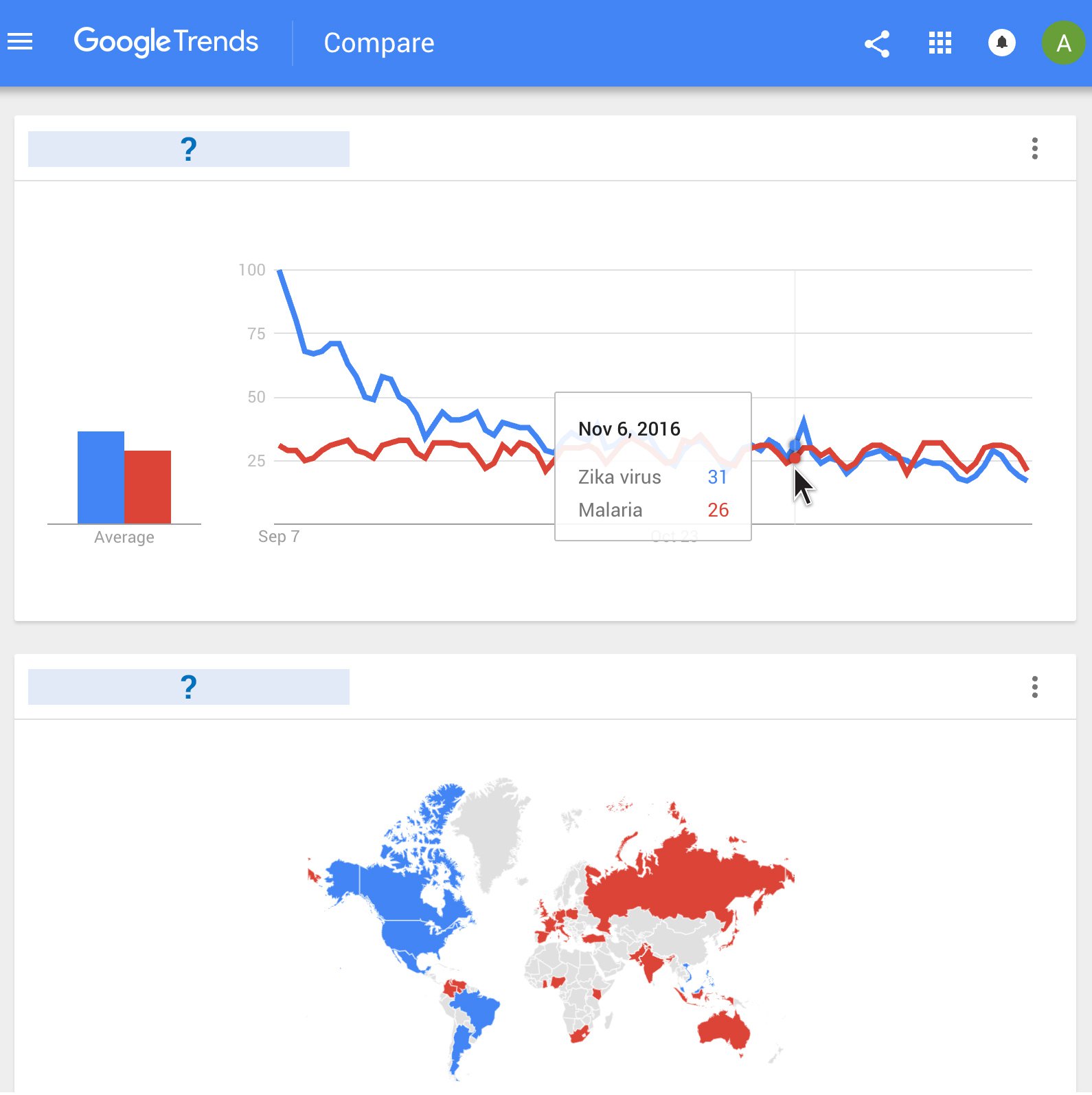
  • Use Google Trends to analyze the search volume and trends for specific products. This tool lets you track the popularity of keywords over time and can help you identify products with increasing demand.

5. Utilize Tools like NicheSpy & SaleHoo

  • Tools like NicheSpy and SaleHoo provide databases of trending dropshipping products. You can use these to filter for top-selling products in your niche and get detailed analytics about market demand.

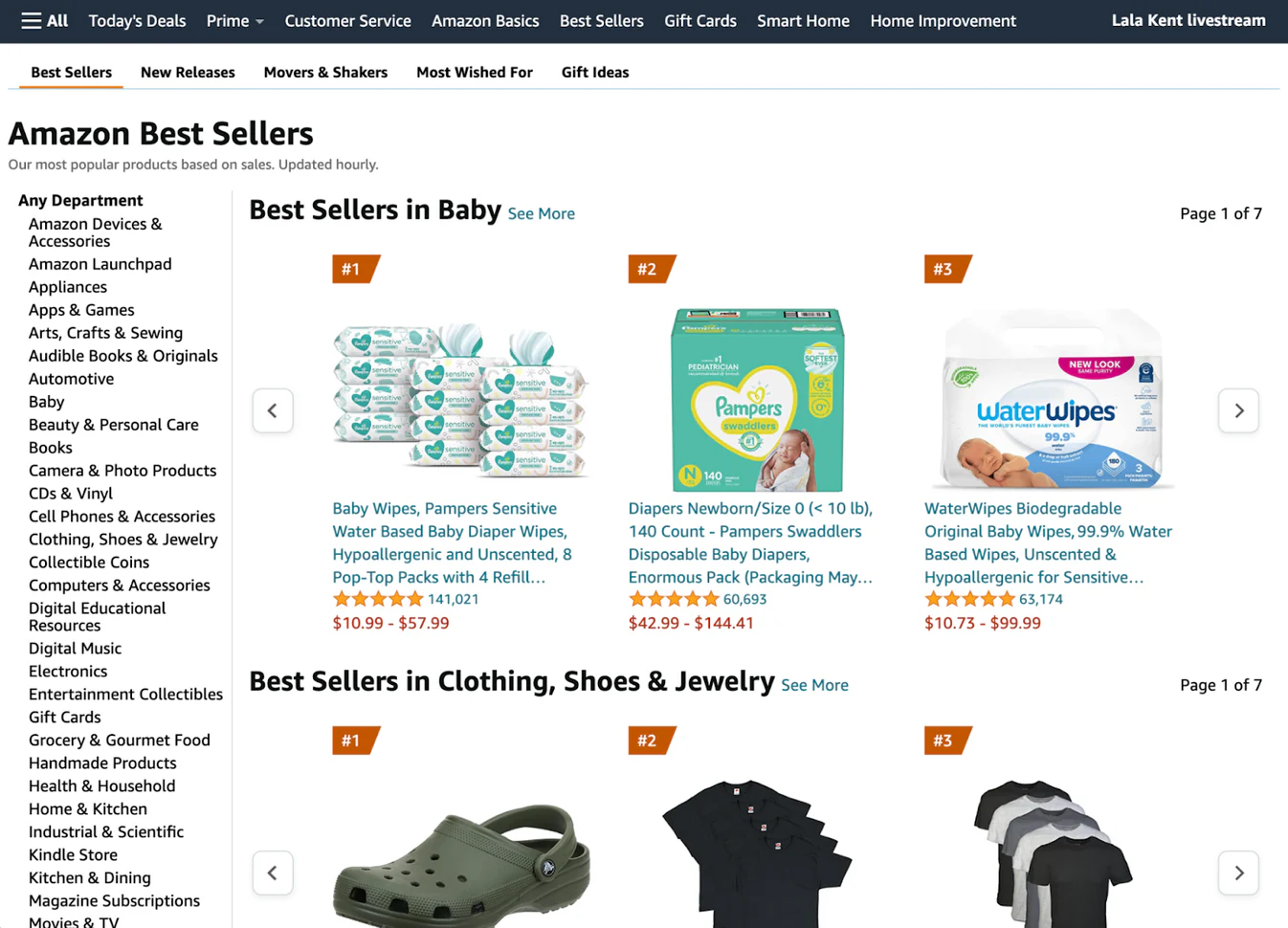
6. Check eBay and Amazon Best Seller Lists
10 Ways to Find Best-Selling Dropshipping Products

  • Browse the Amazon Best Sellerand eBay Top Rated lists to discover products that are currently in high demand. These lists often highlight products that are popular among buyers and reflect current market trends.

7. Explore Reddit and Quora Discussions

  • Platforms like Redditand Quora offer valuable insights into what products people are talking about. Check out trending discussions and customer recommendations to spot in-demand products.

8. Look at Customer Feedback and Reviews

  • Analyze product reviews and ratings on e-commerce websites like Amazon or AliExpress. Focus on products with high ratings and lots of positive feedback, as these are often the most well-received by consumers.

9. Monitor Your Competitors’ Ads

  • Use Facebook Ads & Google Ads Library to check out the ads that your competitors are running. If certain products are being heavily promoted, it could indicate a high level of interest and demand in the market.

10. Join Drop shipping Communities and Forums

  • Participate in dropshipping forums and Facebook groups to connect with other sellers and industry experts. These communities often share tips, insights, and product recommendations that can help you identify the next big trend.
Finding best selling products is crucial for the success of your dropshipping business, especially when you need to quickly capitalize on trends. Here are 10 effective methods to help you discover potential top-sellers: 1. Research Your Competitors Check out competitors’ websites, social media profiles, and product pages on platforms like Amazon or eBay. Tools like SimilarWeb and SpyFu can help you understand where your competitors’ traffic comes from and what products are performing well. 2. Leverage AliExpress AliExpress is one of the most popular dropshipping platforms, and it features a “Hot Products” section that showcases trending products. Pay attention to order volume, reviews, and ratings to gauge the popularity of products. 3. Monitor Social Media Trends Keep an eye on Instagram, TikTok, and Facebook to see what products users are talking about or tagging in posts. Viral content, especially on TikTok’s "TikTok Made Me Buy It" section, can highlight trending products that might be worth selling. 4. Google Trends Analysis Use Google Trends to analyze the search volume and trends for specific products. This tool lets you track the popularity of keywords over time and can help you identify products with increasing demand. 5. Utilize Tools like NicheSpy & SaleHoo Tools like NicheSpy and SaleHoo provide databases of trending dropshipping products. You can use these to filter for top-selling products in your niche and get detailed analytics about market demand. 6. Check eBay and Amazon Best Seller Lists Browse the Amazon Best Seller and eBay Top Rated lists to discover products that are currently in high demand. These lists often highlight products that are popular among buyers and reflect current market trends. 7. Explore Reddit and Quora Discussions Platforms like Reddit and Quora offer valuable insights into what products people are talking about. Check out trending discussions and customer recommendations to spot in-demand products. 8. Look at Customer Feedback and Reviews Analyze product reviews and ratings on e-commerce websites like Amazon or AliExpress. Focus on products with high ratings and lots of positive feedback, as these are often the most well-received by consumers. 9. Monitor Your Competitors' Ads Use Facebook Ads & Google Ads Library to check out the ads that your competitors are running. If certain products are being heavily promoted, it could indicate a high level of interest and demand in the market. 10. Join Drop shipping Communities and Forums Participate in dropshipping forums and Facebook groups to connect with other sellers and industry experts. These communities often share tips, insights, and product recommendations that can help you identify the next big trend. By combining these methods, you can not only identify the best-selling products but also stay ahead of future market trends. The key is to constantly monitor and adjust your product offerings to meet changing consumer demands. Let me know if you'd like any of these methods explained further or if you need help with a specific strategy!

By combining these methods, you can not only identify the best-selling products but also stay ahead of future market trends. The key is to constantly monitor and adjust your product offerings to meet changing consumer demands.

Let me know if you’d like any of these methods explained further or if you need help with a specific strategy!


DropSure is Your Best Partner
22 Years Experience
Affiliate Rebates
100% Quality Guarantee
Top-Up Rewards
10+ Global Warehouses
Custom Branding Support
Smart inventory System
24/7 Customer Support
Get a Quote in 24 Hours
Start Sourcing for Free

Keep Learning

Is Dropshipping Dead Nowadays? To put it simply: No, dropshipping is not dead—and it’s far from being on the decline. In fact, the global dropshipping market continues to grow at an impressive rate. According to Statista, the global dropshipping market was valued at $221.3 billion in 2022, and it is projected to reach $931.9 billion by 2030. These figures show that dropshipping is not just surviving, but thriving in the e-commerce ecosystem. Key Reasons Why Dropshipping is Still Alive and Well *E-commerce growth: Online shopping continues to surge globally. In 2023, global e-commerce sales were expected to surpass $6 trillion. As more people buy products online, the demand for low-risk, low-investment business models like dropshipping has only increased. *Accessibility and low entry barriers: Unlike traditional retail, dropshipping requires minimal upfront investment. You don’t need to invest in large quantities of inventory or worry about warehousing. This makes it an attractive option for many entrepreneurs. *Improved supplier networks: Countries like China have advanced their logistics and product manufacturing capabilities. Platforms such as AliExpress, Alibaba, and Dropsure are now more efficient, offering faster shipping times, better-quality control, and robust customer service. Comparing Dropshipping to Traditional Retail: As you can see, dropshipping is far less risky and requires much less capital than traditional retail models, making it ideal for entrepreneurs looking to enter the market with limited investment. Is Dropshipping Easy Now? In the past, dropshipping was considered easy—just find a supplier, set up a website, and start selling. However, the landscape has evolved, and now dropshipping is no longer as “easy” as it once was. Here’s why it’s more challenging: Increased competition: With platforms like Shopify, WooCommerce, and AliExpress making it easier […]

Are you considering using Pandabuy for your next cross-border shopping spree? With its promise of simplifying purchases from major Chinese e-commerce platforms, Pandabuy has gained attention, especially among international shoppers. But with recent controversies and operational challenges, is it still the best choice? In this article, we’ll dive into what is Pandabuy , the issues it faces, and some great alternatives that might better suit your needs. What is Pandabuy? Pandabuy is a Chinese e-commerce shipping agent platform that specializes in providing shipping services for overseas users who want to purchase products from China. It is widely known for shipping counterfeit luxury goods, including branded clothing and high-priced shoes from companies like Nike. The platform allows international users to shop on major Chinese e-commerce sites such as Tmall, Taobao, and JD.com, acting as an intermediary to simplify the purchasing process for these products. Many users, including influencers, frequently showcase and promote counterfeit or replica items (often referred to as “reps”) purchased through Pandabuy on social media platforms like TikTok, Discord, and Reddit, often sharing their “unboxing haul.” How Does Pandabuy Operate? Pandabuy’s business model is primarily based on “reverse overseas shopping,” which helps international users purchase products from Chinese e-commerce platforms (such as Taobao, Tmall, and JD) at original prices, and generates profits by providing value-added services. The specific process works as follows: Order Placement: International users browse and select their desired products on the Pandabuy platform, submitting purchase links or product information to create an order. Platform Procurement: Pandabuy’s purchasing team buys the corresponding products from Chinese e-commerce platforms based on the user’s order. Warehousing Service: Once the products are delivered to Pandabuy’s domestic warehouse, the platform provides free […]

Recently, Amazon Japan was ordered by the Tokyo District Court to pay a fine of 35 million yen (approximately 244,000 USD) and compensate the brand Excel Plan for its losses due to failure in effectively addressing counterfeit sales on its platform. This incident has raised widespread concern in the industry about the issue of counterfeit goods and serves as a wake-up call for sellers involved in dropshipping (cross-border e-commerce). Counterfeit Crisis: The Hidden Threat in the Supply Chain In this case, Excel Plan discovered counterfeit pulse oximeters on the Amazon Japan platform. These inferior products were sold at prices significantly lower than the genuine ones, severely affecting the brand’s market performance. Worse still, after receiving complaints, Amazon not only failed to take down the counterfeit goods promptly but also mistakenly removed the genuine products, causing Excel Plan to suffer heavy losses in just two months—from an initial sales figure of about 100 million yen to a dramatic drop to only around 610,000 yen. This incident serves as a reminder that counterfeit goods not only affect consumers’ purchasing experience but can also seriously harm the interests of brand owners and potentially expose platforms to legal risks. In dropshipping, sellers typically rely on third-party suppliers, making supply chain management crucial. The issue of counterfeit goods, especially in cross-border e-commerce, is not just a quality concern; it also involves multiple risks, including compliance and brand reputation. How to Avoid Counterfeit Issues in Dropshipping? Choose Reliable Suppliers  When selecting a dropshipping supplier, it is essential to choose one with a good reputation and legitimate qualifications. You can ensure the legality and quality of their products by reviewing certifications, past reviews, and product quality reports. […]

Recommended for you