















 En
En
 6 min read
If you’re thinking about starting or scaling your dropshipping business in 2025, one of the biggest questions on your mind is probably: What’s the best product to sell for maximum profit? With so many options out there, it’s easy to get overwhelmed. But don’t worry—I’ve done the homework for you.
After analyzing market trends, customer demand, and profit margins, one product stands out as the top contender for 2025: wireless earbuds. Here’s why they’re a goldmine for dropshippers, and how you can take advantage.
Why Wireless Earbuds Are the Best Dropshipping Product in 2025
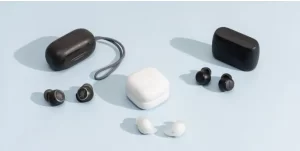
Exploding Market Demand
Wireless earbuds have moved beyond being just a luxury gadget—they’ve become an essential part of daily life for many people. Whether you’re commuting, working out, working remotely, or just relaxing at home, earbuds are almost a must-have accessory.
According to reputable market research, the global wireless earbuds market is projected to reach nearly $1 billion by 2029, with an impressive compound annual growth rate (CAGR) of 27.94%. This rapid growth shows the demand is far from saturated—more and more consumers are adopting wireless earbuds every year.
The widespread adoption of smartphones and Bluetooth-enabled devices is accelerating this trend. Additionally, the rise of remote work and online learning has increased the need for high-quality audio devices, further expanding the potential customer base.
High Profit Margins
From a profitability standpoint, wireless earbuds are extremely attractive. You can source them from suppliers for around $10 per unit and sell them for $50 or more, which means your markup can easily range from 300% to 400%.
What makes this even better is that wireless earbuds are compact and lightweight, so shipping costs remain low. For dropshipping businesses, low logistics costs translate into faster shipping times and higher customer satisfaction, all while boosting your overall profit margins.
Compared to larger, heavier products, wireless earbuds are easier to store and package, helping you save on operational expenses and maximize your earnings.
Universal Appeal
Wireless earbuds offer broad compatibility—they work seamlessly with almost all major smartphones, tablets, and laptops. Whether your customers use iOS, Android, or any Bluetooth-enabled device, these earbuds will connect quickly and easily.
This wide compatibility dramatically expands your potential customer base. From tech enthusiasts and music lovers to fitness fans and everyday users, nearly everyone can benefit from wireless earbuds. Unlike niche products that target only specific groups, wireless earbuds have mass appeal, making it easier to attract traffic and generate sales.
Plus, as more people seek convenient and minimalist lifestyles, wired headphones are gradually being replaced by wireless versions, leading to steady demand for upgrades and repeat purchases.
How to Start Dropshipping Wireless Earbuds Successfully
Step 1: Choose a Reliable Supplier
Your supplier is the backbone of your dropshipping business—it can truly make or break your success. When selecting a supplier, focus on these key factors:
Product Quality: Always check customer reviews and ratings. Quality issues are the quickest way to lose customers and get returns.
Fast Shipping: Look for suppliers offering speedy shipping options like ePacket or warehouses located near your main customer markets. Fast delivery boosts customer satisfaction and reduces refund requests.
Stock Availability: Ensure your supplier maintains consistent inventory. Running out of stock can cause canceled orders and damage your reputation.
Responsive Communication: A supplier who responds promptly to your questions and resolves issues quickly will save you a lot of headaches.
Competitive Pricing: Compare prices from multiple suppliers to get the best deal without compromising quality.

If vetting suppliers feels overwhelming, platforms like CJ Dropshipping are a great shortcut. They pre-vet trustworthy suppliers and let you import products to your store with a few clicks, saving you time and effort.
Step 2: Optimize Your Product Page
Your product page is your main sales tool—make sure it’s simple, clear, and focused on customer benefits. When writing your description, highlight features like:
Long Battery Life: “Enjoy up to 8 hours of uninterrupted listening.”
Noise-Canceling Technology: “Block out distractions for a more focused experience.”
Wide Compatibility: “Works seamlessly with all iOS, Android, and Bluetooth-enabled devices.”
Don’t forget to include high-quality lifestyle images that show how earbuds fit into everyday activities—commuting, working out, relaxing at home. This helps customers visualize themselves using your product and increases trust.
Step 3: Price Strategically
Pricing can make or break your sales. Set a price that ensures you a healthy profit margin but remains competitive within the market. Don’t forget to factor in:
Product cost from your supplier
Shipping fees
Platform commissions (like Shopify or Amazon)
Marketing expenses
Careful pricing will keep your business sustainable and attractive to buyers.

Step 4: Promote Smartly
Effective promotion drives traffic and sales. Focus on social media platforms where your target customers hang out, such as TikTok, Instagram, and Facebook. Consider:
Influencer Collaborations: Partner with influencers who can showcase your wireless earbuds authentically.
Video Ads: Short videos demonstrating the earbuds’ benefits, like convenience and sound quality, tend to engage viewers better and boost conversions.
User-Generated Content: Encourage customers to share their experiences, reviews, or unboxing videos to build social proof.
By targeting the right audience with the right message, you’ll maximize your store’s visibility and sales potential.
Final Thoughts
Wireless earbuds aren’t just a trendy gadget—they’re a practical product with growing demand, excellent profit margins, and wide appeal. If you want to maximize your dropshipping profits in 2025, focusing on this category is a smart bet.
Remember, success doesn’t come from picking the product alone—you need the right supplier, optimized store, and smart marketing to truly win. Start planning now, and make 2025 your most profitable year yet!