














 En
En
 8 min read
For years, online sellers have relied on best-seller rankings, marketplace charts, and trending product lists to decide what to sell. While those metrics show what’s popular, they rarely explain why people are buying—or what frustrations remain unsolved.
If you want to build sustainable, profitable products or dropshipping brands, popularity isn’t enough. The real opportunity lies beneath the surface: in consumer pain points.
Today, social media product research tools allow you to go far beyond sales volume. They help you analyze real conversations, complaints, unmet expectations, emotional triggers, and purchasing motivations. When used correctly, these tools can transform your product selection strategy from reactive trend-chasing into insight-driven brand building.
In this comprehensive guide, we’ll explore how to use social listening platforms, comment mining, ad libraries, and community analysis to uncover what customers actually struggle with—and how to turn those insights into winning products.
Why Best-Seller Lists Are No Longer Enough
Marketplace rankings from platforms like Amazon or eBay show you what is already selling. But they don’t tell you:
-
Why customers are frustrated
-
What features are missing
-
What buyers wish the product did differently
-
What negative reviews repeatedly mention
-
What emotional triggers drive purchases
When you rely solely on sales rankings, you’re entering a crowded space with limited differentiation.
Modern product selection requires something deeper: consumer psychology and behavioral insight.
The Shift from “Trending” to “Problem-Solving”
The most successful e-commerce brands don’t just sell products. They solve specific problems.
Instead of asking:
“What’s selling right now?”
Ask:
“What are people complaining about?”
“What are they repeatedly struggling with?”
“Where are expectations not being met?”
Social media has become the most transparent window into customer pain points in history.
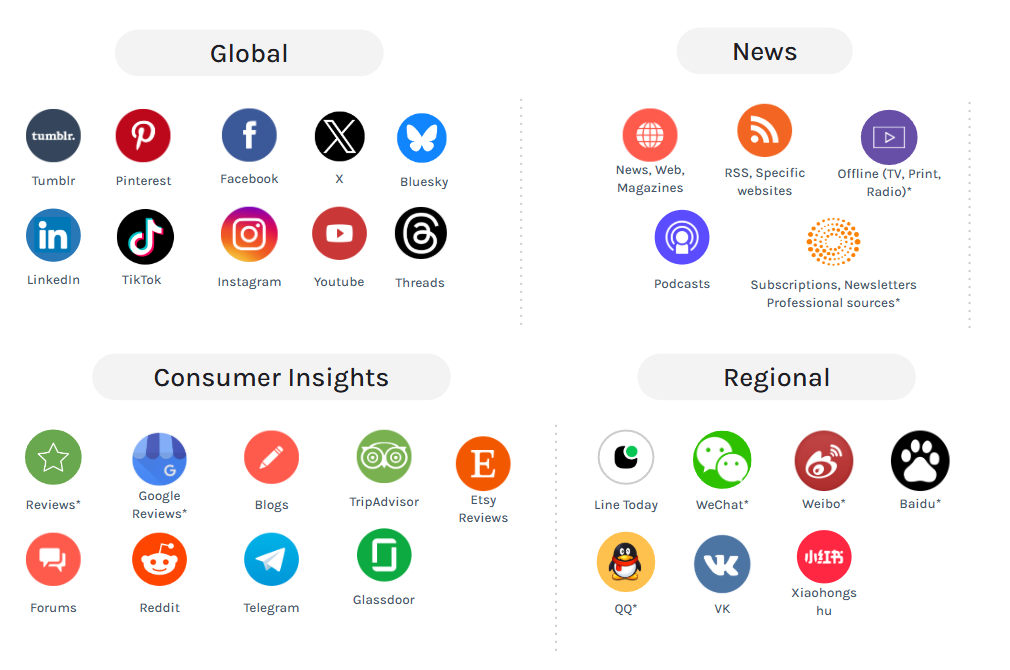
Platforms like TikTok, Instagram, Facebook, and Reddit contain millions of unfiltered product discussions daily.
Your job is to analyze them strategically.
What Are Consumer Pain Points?
A consumer pain point is any frustration, inconvenience, inefficiency, or emotional discomfort related to a product or task.
Pain points fall into four categories:
1. Functional Pain
-
Product doesn’t work as expected
-
Breaks easily
-
Difficult to use
2. Financial Pain
-
Overpriced
-
Hidden fees
-
Poor value for money
3. Emotional Pain
-
Embarrassment
-
Lack of confidence
-
Fear of failure
4. Time-Related Pain
-
Takes too long
-
Complicated setup
-
Inconvenient maintenance
Social media tools help identify these patterns at scale.
Step 1: Mine Comment Sections for Raw Frustrations
Product ads and influencer videos often reveal more in the comments than in the content itself.
When analyzing comment sections:
Look for:
-
Repeated complaints
-
“I wish it had…” statements
-
“Does this work for…” questions
-
Negative comparisons
-
Shipping frustrations
-
Durability concerns
Example pattern:
If dozens of people comment, “Does this work for thick hair?” that’s a niche opportunity.
Pain equals opportunity.
Step 2: Use Social Listening Tools to Track Repeated Keywords
Social listening tools analyze:
-
Mentions
-
Hashtags
-
Sentiment
-
Engagement spikes
-
Conversation volume
These tools help you identify emerging dissatisfaction before it becomes mainstream.
Key phrases to monitor:
-
“Doesn’t last”
-
“Too expensive”
-
“Cheap quality”
-
“Looking for alternative”
-
“Better option?”
-
“Worth it?”
When a product receives high engagement but mixed sentiment, it signals room for improvement.
Step 3: Study Ad Libraries to Understand What Brands Are Testing
Platforms like the Meta Ad Library reveal active advertisements across social media.
By reviewing:
-
Long-running ads
-
Variations in messaging
-
Customer comments on ads
You can uncover:
-
Which pain points brands emphasize
-
What objections customers raise
-
How companies attempt to overcome skepticism
If multiple brands highlight the same benefit (e.g., “No more back pain”), that suggests a widespread issue.
Step 4: Analyze Reddit Communities for Honest Feedback
Unlike curated influencer content, Reddit discussions tend to be brutally honest.
Search for:
-
“Best alternative to…”
-
“Why does this product fail?”
-
“What do you recommend for…?”
-
“Is this worth buying?”
Subreddits dedicated to fitness, skincare, productivity, parenting, and tech are goldmines for pain-point discovery.
Look for threads with:
-
High comment volume
-
Emotional language
-
Frustration or disappointment
That’s where innovation opportunities hide.
Step 5: Identify Micro-Complaints in Product Reviews
On platforms like Amazon, analyze 3-star reviews carefully.
5-star reviews praise.
1-star reviews rage.
3-star reviews explain.
They often include:
-
“It’s good, but…”
-
“Works fine, however…”
-
“I like it except…”
Those “except” statements are your roadmap.
Step 6: Look for Repeated Adaptations
When customers modify a product themselves, it signals unmet needs.
Examples:
-
Adding tape to reinforce
-
Using separate accessories
-
Combining products to achieve desired outcome
If people are hacking products, that’s a design opportunity.
Step 7: Use TikTok Search Behavior as Data
On TikTok, type in product-related queries and analyze autocomplete suggestions.
If you type:
“Portable blender…”
And see:
-
“Portable blender not working”
-
“Portable blender leaking”
-
“Portable blender worth it”
Autocomplete reflects real search volume trends.
These are live indicators of consumer concerns.
Step 8: Analyze Influencer Comment Trends
Influencers often highlight features. But audiences reveal objections.
Look for:
-
Price resistance
-
Trust issues
-
Comparison requests
-
Safety concerns
If multiple influencers promote similar products and comments consistently ask the same skeptical question, that’s an unresolved trust gap.
Step 9: Identify Emotional Language
Pay attention to words like:
-
“Embarrassed”
-
“Frustrated”
-
“Finally fixed”
-
“Life-changing”
-
“So tired of…”
Emotional intensity reveals buying triggers.
The stronger the emotion, the stronger the opportunity.
Step 10: Cross-Reference Trends Across Platforms
If a complaint appears on:
-
TikTok comments
-
Instagram reels
-
Amazon reviews
-
Reddit threads
It’s not isolated—it’s systemic.
Cross-platform validation increases confidence in product opportunity.
Turning Pain Points into Product Opportunities
Once you identify recurring issues:
Ask:
-
Can this be solved with better design?
-
Can durability be improved?
-
Can instructions be simplified?
-
Can materials be upgraded?
-
Can packaging reduce damage?
-
Can price transparency improve trust?
The best products don’t reinvent categories. They refine them.
Case Study Framework (Generalized)
Instead of copying a trending product, analyze:
Trending item: Posture corrector
Common complaints:
-
Uncomfortable
-
Hard to hide under clothes
-
Causes sweating
-
Slips off
Improved solution:
-
Breathable fabric
-
Adjustable tension
-
Low-profile design
-
Anti-slip straps
That’s how insight becomes differentiation.
Why Emotional Pain Converts Better Than Functional Benefits
Functional claims:
-
“Stronger”
-
“Faster”
-
“Bigger”
Emotional claims:
-
“Stop feeling embarrassed”
-
“Regain confidence”
-
“No more daily frustration”
Consumers buy emotional relief.
Social media conversations reveal emotional triggers far more clearly than sales charts.
Avoiding the Trend Trap
Trend-chasing often leads to:
-
High ad costs
-
Saturated markets
-
Thin margins
-
Short product life cycles
Pain-point analysis leads to:
-
Niche targeting
-
Stronger messaging
-
Better product-market fit
-
Longer brand sustainability
Tools That Support Pain-Point Research
While there are many analytics tools available, prioritize features such as:
-
Sentiment tracking
-
Keyword clustering
-
Engagement rate comparison
-
Comment export capabilities
-
Ad creative tracking
-
Trend velocity detection
The goal is not just volume—it’s context.
Building a Brand Around Solutions
Once you validate a pain point:
Build messaging around:
-
Empathy
-
Clarity
-
Specific improvement
-
Transparent comparison
-
Real demonstration
When customers feel understood, conversion improves naturally.
The Competitive Advantage of Listening
Most sellers watch charts.
Few sellers listen to conversations.
That difference creates competitive advantage.
Consumers often tell brands exactly what they want—but only in comments, forums, and casual discussions.
The brands that win are those that pay attention.
Final Thoughts: Data Is Everywhere—Insight Is Rare
Sales rankings show what’s already successful.
Social media shows what’s broken.
If you want to build products that last beyond hype cycles, stop chasing popularity and start analyzing frustration.
Listen to:
-
Questions
-
Complaints
-
Workarounds
-
Emotional reactions
-
Skepticism
Because behind every complaint lies unmet demand.
And behind unmet demand lies opportunity.
When you shift from ranking analysis to pain-point discovery, product selection becomes less about guessing—and more about strategic insight.
In the modern digital landscape, the most valuable metric isn’t how many units sold yesterday.
It’s how many people are still unsatisfied today.