En
En
 7 min read
For years, the “holy grail” of online business was simply finding the right product. We spent countless hours tethered to research software, staring at graphs of sales velocity and historical pricing, hoping to stumble upon that one “winning” item.
But the landscape has shifted. In today’s market, having a great product is just the ante to get into the game. The real battle is won through execution—how you tell the story of that product, how you stop the scroll on social media, and how you convert a curious clicker into a paying customer.
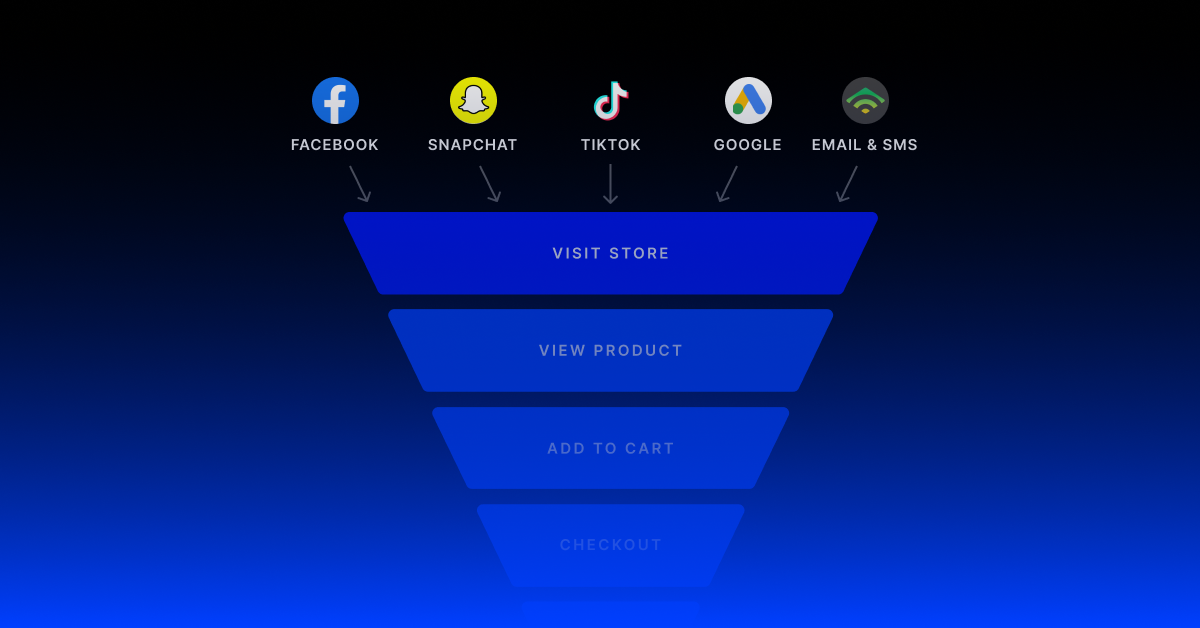
The good news? The same tools we once used only for “spying” and product selection have evolved into full-scale creative powerhouses. We are entering the era of the Automated Sales Funnel, where artificial intelligence and data-driven software handle everything from drafting your high-conversion ad copy to designing your landing pages.
In this guide, we’ll explore how to leverage the “Creative Side” of modern e-commerce tools to build a brand at lightning speed.
1. The Death of Creative Block: AI-Powered Ad Copywriting
One of the biggest hurdles for new entrepreneurs is the blank page. How do you write a Facebook ad that doesn’t sound like “salesy” junk? How do you craft a TikTok script that feels authentic but still drives a purchase?
Modern research tools like Helium 10, Jasper, and Copy.ai have integrated “Sentiment Analysis” and Generative AI to do this for you.
Turning Data into Persuasion
Instead of guessing which features to highlight, these tools analyze thousands of customer reviews for your specific product category. They identify the exact “pain points” and “emotional triggers” your audience uses.
-
The Process: You feed the tool a product URL.
-
The Output: The software identifies that customers hate “bulky designs” but love “one-click setup.” It then drafts 10 variations of ad copy—ranging from “Witty” to “Professional”—specifically highlighting those winning traits.
Dynamic Ad Variations
The most successful advertisers don’t just run one ad; they run fifty. New AI tools allow you to “modularize” your copy. They can generate dozens of different headlines and primary texts in seconds, allowing you to A/B test your way to a winning ROI without writing a single sentence yourself.
2. From Click to Cart: Instant Landing Page Generation
A common mistake is sending high-quality traffic to a generic, cluttered product page. To win in 2024 and beyond, you need a Landing Page—a focused, high-conversion environment designed for one purpose: the sale.
Tools like PageFly, Gempages, and even built-in AI builders in platforms like Shopify are now “context-aware.”
The “One-Click” Build
Modern tools can now pull the technical specifications and images from your product research tool and automatically populate a landing page template. These templates aren’t just pretty; they are built based on Conversion Rate Optimization (CRO) data.
-
Automated Social Proof: They can automatically import and format the best reviews from your sourcing data.
-
Visual Hierarchy: They place your “Buy Now” buttons and “Scarcity Timers” in the exact locations where eye-tracking studies show customers look most.
Personalization at Scale
Imagine a tool that changes the language and imagery of your landing page based on where the customer clicked from. If they come from a “Dog Lover” Facebook group, the page shows a dog; if they come from a “Hiking Gear” forum, it shows a backpack. This level of customization, once reserved for enterprise brands, is now available as a plugin.
3. The Visual Revolution: AI Product Photography and Video
High-quality visuals are the most expensive part of a launch—or at least they used to be. You no longer need a professional studio and a $5,000 camera to get “lifestyle” shots.
Virtual Studios
Tools like Flair.ai or Pixelcut allow you to take a simple photo of your product on your kitchen table and digitally “place” it in a professional setting.
-
Need your water bottle on a sun-drenched granite countertop? Done.
-
Need it being held by a hiker in the Swiss Alps? Done. The software handles the lighting, shadows, and reflections to make it look 100% authentic.
AI Video Generation
With the rise of TikTok and Reels, video is non-negotiable. Modern tools can now take your product photos and ad copy and turn them into high-energy video ads with music, transitions, and AI-generated voiceovers. This allows you to test video content for a fraction of the traditional cost.
4. The Integrated Workflow: Connecting the Dots
The real magic happens when you connect your Product Research Tool to your Creative Tool.
By shortening the “Idea-to-Market” window, you can test five different products in the time it used to take to test one. This increases your chances of finding a “home run” significantly.
5. Why “Human Oversight” Still Matters
While these tools are incredible, they aren’t magic. The most successful sellers use AI as a “Co-Pilot,” not an “Auto-Pilot.”
-
The “Uncanny Valley”: AI can sometimes produce images or text that feel slightly “off.” Always review your copy to ensure it aligns with your brand’s unique voice.
-
Emotional Nuance: AI is great at logic and data, but it can miss the subtle humor or deep cultural empathy that makes a brand truly “viral.”
6. Your “Full-Stack” Tool Checklist
If you’re ready to move beyond just picking products, here is the stack you should consider:
-
Selection: A tool that tracks sales and identifies “Gaps” in the market.
-
Creative: An AI writer that “scrapes” competitor reviews to find what customers want.
-
Visual: An AI image generator to create professional lifestyle photos.
-
Conversion: A landing page builder that prioritizes mobile speed and clear “Call to Actions.”
Conclusion: The Future belongs to the “Fast”
The barrier to entry in e-commerce has never been lower, but the barrier to success has never been higher. By utilizing tools that go beyond selection and into creative execution, you aren’t just a “seller”—you are a “tech-enabled brand builder.”
The winner in this new economy isn’t the person with the “best” idea; it’s the person who can turn an idea into a fully-functional, high-converting storefront the fastest.
Would you like me to recommend a specific “Tool Stack” based on your current budget and the platform you are selling on?