< Blogs

The High-Ticket Product Playbook How to Use Professional Tools to Find Products With $50+ Profit Potential

Vivan Z.
Created on February 9, 2026 – Last updated on February 9, 20267 min read
Written by: Vivan Z.

The High-Ticket Product Playbook How to Use Professional Tools to Find Products With $50+ Profit Potential

Low-ticket products are easy to sell.

High-ticket products are hard to replace.

That difference is why experienced sellers eventually shift their focus from chasing volume to building margin.

If you’ve ever felt that:

  • You’re selling more, but earning less

  • Ad costs keep rising, but profit stays flat

  • One bad week wipes out a month of gains

You’re not alone.

The solution isn’t always better ads or cheaper suppliers.
Often, it’s better product selection—specifically, high-ticket products with real profit depth.

This guide breaks down a practical, data-driven approach to finding products with $50+ profit per unit, using professional research tools instead of guesswork.


Why High-Ticket Products Change the Game

High-ticket doesn’t just mean “expensive.”

It means:

  • Higher perceived value

  • Wider margin buffer

  • Fewer units needed to hit revenue goals

  • More room for ads, logistics, and service

Selling a $20 product with $5 profit requires scale.
Selling a $300 product with $80 profit requires precision.

And precision starts with smarter product research.


The Biggest Myth About High-Ticket Products

Many sellers assume high-ticket products are:

  • Too competitive

  • Too risky

  • Too complex to manage

In reality, low-ticket categories are often more competitive because:

  • Entry barriers are low

  • Products are easy to copy

  • Price wars happen fast

High-ticket products usually:

  • Require more explanation

  • Demand trust

  • Attract fewer but more serious buyers

That creates opportunity—for sellers willing to do the research properly.


What “$50+ Profit” Really Means

Before using any tools, define profit correctly.

True per-unit profit includes:

  • Product cost

  • Shipping and fulfillment

  • Platform fees

  • Payment processing

  • Advertising

  • Returns and support

A product priced at $200 doesn’t matter if only $20 remains.

When we say “$50+ profit,” we mean net profit, not markup.

This mindset filters out 80% of bad ideas immediately.


Step 1: Start With Price Bands, Not Products

Professional sellers don’t start by browsing random products.

They start with price ranges.

A practical high-ticket research range:

  • Retail price: $150–$600

  • Target net margin: 25–40%

This range:

  • Supports $50–$150 profit per unit

  • Leaves room for paid traffic

  • Is still accessible to online buyers

Tools allow you to filter entire markets by price—use that first.


Step 2: Use Data to Find “Explainable” Demand

High-ticket products rarely rely on impulse.

They sell because they:

  • Solve a clear problem

  • Improve performance

  • Save time or money

  • Offer customization or specialization

Using keyword and market tools, look for:

  • Long-tail search terms

  • Problem-based queries

  • Comparison-driven keywords

Examples:

  • “Best [product] for professionals”

  • “Custom vs standard [product]”

  • “Is [product] worth it?”

These signals indicate considered buying behavior, which supports higher prices.


Step 3: Filter Out Commodity Categories Early

One of the fastest ways to fail with high-ticket products is choosing a commodity.

Red flags include:

  • Products differentiated only by color or size

  • Dozens of near-identical listings

  • Heavy price competition

  • Brand irrelevance

Professional tools help you spot:

  • Listing saturation

  • Price clustering

  • Review homogeneity

If every product looks the same, margin pressure is inevitable.


Step 4: Look for Complexity—But the Right Kind

High-ticket products often involve complexity, but not chaos.

Healthy complexity includes:

  • Customization options

  • Technical specs

  • Usage scenarios

  • Compatibility considerations

Unhealthy complexity includes:

  • Frequent defects

  • High return rates

  • Regulatory risks

Tools that analyze reviews, Q&A data, and complaint patterns help distinguish between the two.

Complexity creates defensibility—when managed correctly.
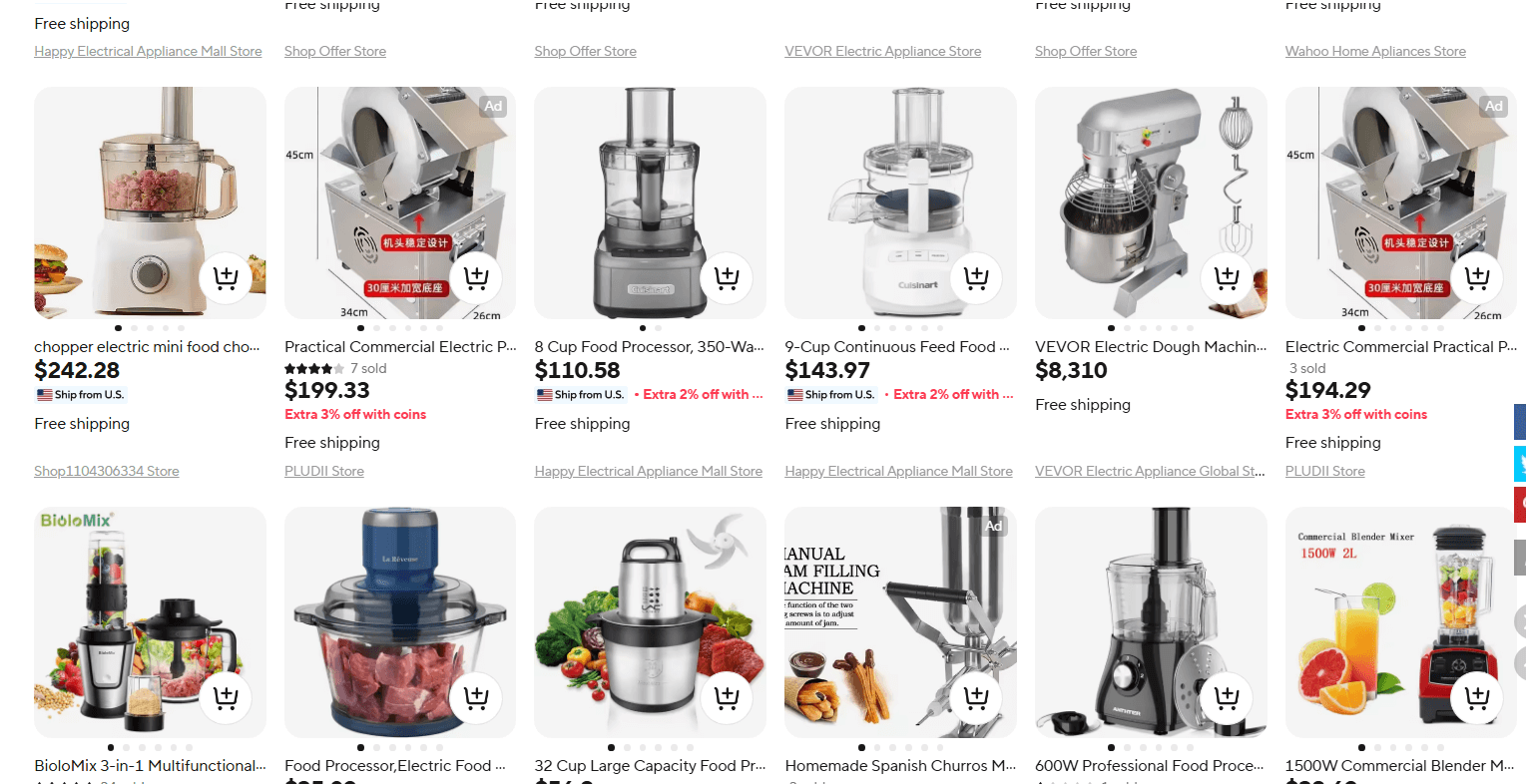

Step 5: Use Review Mining to Find Profit Gaps

One of the most powerful strategies is review gap analysis.

Instead of asking:
“What products sell well?”

Ask:
“What do customers wish existed?”

Professional tools can:

  • Cluster negative reviews

  • Identify recurring pain points

  • Reveal unmet expectations

High-ticket opportunities often appear where:

  • Customers accept high prices

  • But complain about quality, service, or features

Fixing one major issue can justify premium pricing.


Step 6: Validate Margin With Real Logistics Data

High-ticket products die quietly in shipping.

Before committing, analyze:

  • Weight and dimensions

  • Shipping method options

  • Damage risk

  • Packaging requirements

Tools that estimate fulfillment and logistics costs are critical.

A product with $120 gross margin can drop below $40 once shipping is included.

Margin must survive reality—not spreadsheets.


Step 7: Analyze Competition Depth, Not Count

Seeing “few competitors” is not enough.

You need to understand:

  • How strong the top sellers are

  • Whether they rely on price or brand

  • How differentiated their offers really are

Professional tools help evaluate:

  • Brand dominance

  • Price stability

  • Review velocity

  • Listing maturity

A market with three weak brands can be easier than one with ten strong ones.


Step 8: Check If the Product Supports Storytelling

High-ticket products need context.

They sell better when you can explain:

  • Why it’s different

  • Who it’s for

  • Why it costs more

  • What problem it solves better

If a product:

  • Has a clear “why”

  • Fits into a lifestyle or profession

  • Benefits from education

It’s far easier to justify premium pricing.

Tools that surface content trends, FAQs, and user intent help here.


Step 9: Forecast Demand Stability

High margins mean nothing without consistency.

Use trend analysis tools to:

  • Check seasonality

  • Identify long-term demand curves

  • Avoid short-lived hype products

High-ticket strategies favor:

  • Stable or growing demand

  • Repeat use cases

  • Upgrade paths or accessories

Predictability reduces risk.


Step 10: Stress-Test the $50 Profit Rule

Before greenlighting any product, ask:

If:

  • Ads cost 30% more

  • Shipping increases by 15%

  • Returns reach 5%

Do you still clear $50?

If not, the product isn’t ready.

Professional sellers build margin buffers.
Amateurs build hope.


Common Mistakes in High-Ticket Product Research

Chasing “Luxury” Instead of Value

Expensive doesn’t mean premium.

Premium is earned through relevance and performance.

Ignoring After-Sales Complexity

Higher prices bring higher expectations.

Plan support, warranties, and communication.

Copying Other Sellers Blindly

What works for established brands may fail for newcomers.

Tools show data—judgment makes decisions.


Why Tools Matter More in High-Ticket Selection

At low prices, mistakes are cheap.

At high prices, mistakes are expensive.

Professional tools:

  • Reduce emotional bias

  • Expose hidden costs

  • Reveal demand quality

  • Save months of trial and error

They don’t guarantee success—but they dramatically improve odds.


Building a High-Ticket Mindset

High-ticket product selection is not about:

  • Speed

  • Trends

  • Virality

It’s about:

  • Patience

  • Data discipline

  • Strategic differentiation

  • Long-term brand thinking

One strong product can outperform dozens of average ones.


Final Thoughts: Profit Is Designed, Not Discovered

Products with $50+ profit margins don’t appear by accident.

They are:

  • Researched intentionally

  • Validated with data

  • Filtered through real costs

  • Positioned with clarity

High-ticket success isn’t louder.
It’s smarter.

And with the right tools—and the right mindset—you stop chasing sales and start building margin.

DropSure is Your Best Partner
22 Years Experience
Affiliate Rebates
100% Quality Guarantee
Top-Up Rewards
10+ Global Warehouses
Custom Branding Support
Smart inventory System
24/7 Customer Support
Get a Quote in 24 Hours
Start Sourcing for Free

Keep Learning

For many years, dropshipping from China has been a popular business model, but 2025 is set to bring major changes that could shake up the entire industry. Starting February 4, 2025, an additional 10% tariff will be imposed on top of the current duties and taxes for all goods imported from China. More importantly, the duty-free entry threshold under Section 321—previously allowing shipments valued at less than $800 to bypass tariffs—has been eliminated. In North America, companies such as Temu, have fully taken advantage of this loophole. Once these tariffs are in place, sourcing products from China will become more expensive, shipping times will increase, and additional customs processing will be required. Businesses will also need to consider other expenses, such as compliance fees and documentation fees, which could further impact profit margins. Additionally, every shipment will be subject to duty assessments, which will increase costs and could lead to delays. Let’s break it down into simple terms so you know exactly what is happening and how to prepare. Tariffs Reshape Dropshipping Market Today, I want to discuss in detail the domino effect brought about by the cancellation of the $800 duty-free policy. At first glance, this change might seem like just paying a little more tax, but in reality, it will affect every aspect of the business like a series of dominoes. Let’s look at the three most critical changes: First: The long-standing $800 duty-free policy has been officially canceled, marking the end of the low-cost era of cross-border e-commerce. Previously, Chinese direct shipping packages valued under $800 could enjoy duty-free treatment—a lifeline for many small and medium-sized sellers. Now, regardless of the package’s value—even if it is just […]

Are you thinking about starting a medical supply business? You might wonder if there’s a dropshipping company for medical products. Yes, there is, and finding suppliers for medical equipment is easy. You can get wholesale medical supplies at great prices, helping you start your business without spending too much. Finding the right suppliers is key to a successful business. You’ll learn how to find them, set up your online store, and market your business. With the right help, you can make your medical supply dropshipping business thrive and start making money. Introduction to Medical Supply Dropshipping This article will teach you about the benefits of dropshipping medical supplies and how to start. You’ll learn how to find good suppliers, set up your online store, and market your business. Whether you’re new or looking to grow, this article will give you the info you need to succeed. Key Takeaways • You can find wholesale medical supplies at unbeatable prices through a medical dropshipping company. • Suppliers medical equipment can be easily sourced with the right guidance. • Setting up an e-commerce platform is a crucial step in starting a medical supply dropshipping business. • Marketing your business is essential to attract customers and increase profits. • With the right guidance, you can build a successful medical supply dropshipping business and start earning profits. • Finding reliable suppliers is critical to the success of your business. • Dropshipping wholesale medical supplies can be a profitable and successful business venture. Understanding the Medical Supply Dropshipping Business Model Starting a business in the medical supply industry? It’s key to know the dropshipping model. This way, you can sell medical supplies without keeping any stock. […]

For many Amazon sellers, FBM feels like a double-edged sword. On one hand, you gain: More control over inventory Lower long-term storage risk Flexibility in sourcing and fulfillment Less dependency on Amazon’s ever-changing FBA fees On the other hand, FBM only works if your product selection is right. If you compete head-on with FBA sellers on fast-moving, low-margin items, FBM becomes painful. But when you choose the right products, FBM can quietly become one of the most profitable models on Amazon. This guide breaks down three advanced product research “black-tech” strategies—not surface-level tips—that experienced FBM sellers use to lock in high margins, low competition, and stable demand. 1. Why Product Selection Matters More for FBM Than FBA Before diving into tactics, let’s address a core truth. 1.1 FBM Is Not FBA with a Different Fulfillment Method FBM sellers operate under different realities: Shipping speed matters more Price wars hurt more Operational efficiency determines survival Margins must be healthier to absorb logistics costs That means: FBM success starts with smarter product selection—not better ads. 1.2 The FBM Sweet Spot The ideal FBM product usually has: Moderate but consistent demand Higher average selling price Low fragility and manageable size Fewer FBA-heavy competitors Clear differentiation potential Finding these products requires thinking differently than most sellers. 2. “Black Tech” #1: Mining FBM-Only Demand Gaps with Delivery-Time Filtering 2.1 The Hidden Opportunity Most Sellers Ignore Most sellers look at: Total sales volume Keyword search numbers Top-ranking listings But they ignore one crucial factor: Delivery expectations vs. actual delivery options. Many categories have customers who are: Willing to wait longer Prioritizing customization, bundles, or quality Less price-sensitive than FBA shoppers This is where FBM shines. 2.2 […]

Recommended for you

French retro simple earrings high-grade temperament female earrings copper plated gold European stud 925 silver needle earrings
$ 2.44
Outdoor Solar Led Garden Lights Waterproof External Solar Powered Lamp Patio Fence Lawn Step Balcony Sunlight Street Lights
$ 2.05
70.87 Loveseat Sofa Comfy Deep Seat Sofa Bed Modern Small Corduroy Couch for Living Room Apartment Sofa in a Box No Assembly
$ 183.75
Christmas Europe and the United States womens new fashion personality snowflake digital print temperament sleeve waist dress
$ 5.79
Pack Garlic Crusher Garlic Crusher Manual Ring Black Vegetable Cutter Kitchen Vegetable And Fruit Gadgets
$ 0.31
Hair Ball Trimmer Rechargeable Sweater Shaver Clothes Pilling Shaver Hair Stripper Electric Hair Removal Tool
$ 2.21
Small-sized portable beard brush for men soft-haired beard brush high-quality portable premium beard brush beauty tool
$ 0.76
Magnetic Digital Bead Maze Toy Preschool Childrens Pen and Iron Drawing Early Education Intelligence Logic Thinking Training Game
$ 2.29
Cylinder Rattan 29 Contemporary Rattan Table Lamp in Royal Gold and Natural Rattan from Grandview Gallery by LumiSource
$ 81.90
OceAura Firming Butt Care Cream Firming Skin Gentle Hydrating Moisturizing Massage Care Cream
$ 10.49
I Do By Bonnie Mohr Printed Wall Art Ready To Hang Framed Poster Black Frame
$ 42.01
Heavy-duty 380g work clothes solid-color sweatshirt custom-made loose off-the-shoulder large fur ring round-neck sweatshirt for men logo printing available
$ 7.91
Elaina – Chair Side End Table – Black
$ 35.70
Fashion Single-breasted Vest Jacket Fall Winter Loose Outwear Womens Clothing
$ 7.41
Christmas Car Antlers Decoration Decoration 4S Store Auto Show Christmas Decoration Car Decoration Antlers
$ 1.68
WoodSleep Butter Care Cream Gentle Moisturizing Moisturizing Care Facial Skin Care Cream
$ 10.49