














 En
En
 9 min read
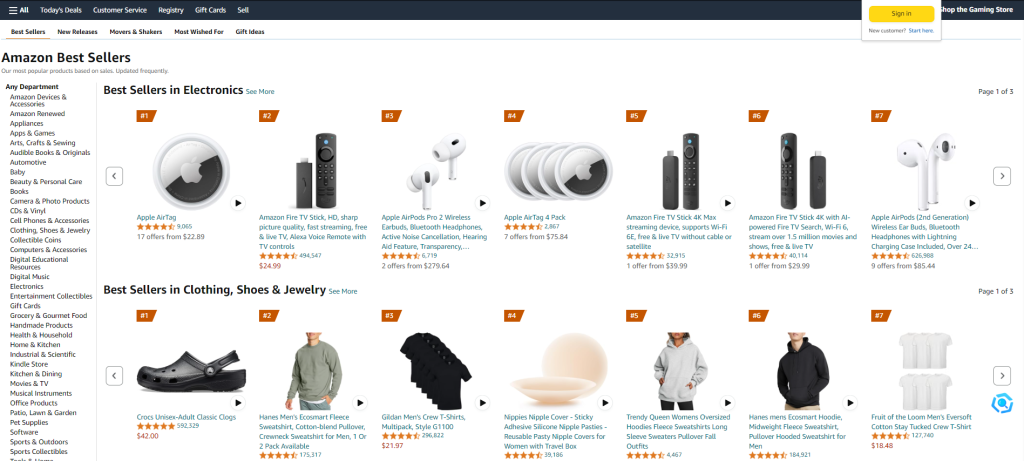
Selecting winning products is the backbone of every successful dropshipping business. Yet, for many beginners, choosing what to sell can feel like gambling—picking random categories, following trends blindly, or guessing based on intuition. But there’s a far more reliable method hiding in plain sight: Amazon’s Best Sellers list.
Amazon is the world’s largest product search engine and the most data-rich retail marketplace. Millions of customers vote with their wallets every single day. When a product climbs Amazon’s charts, you’re not looking at a trend—you’re witnessing real market demand backed by global buyers.
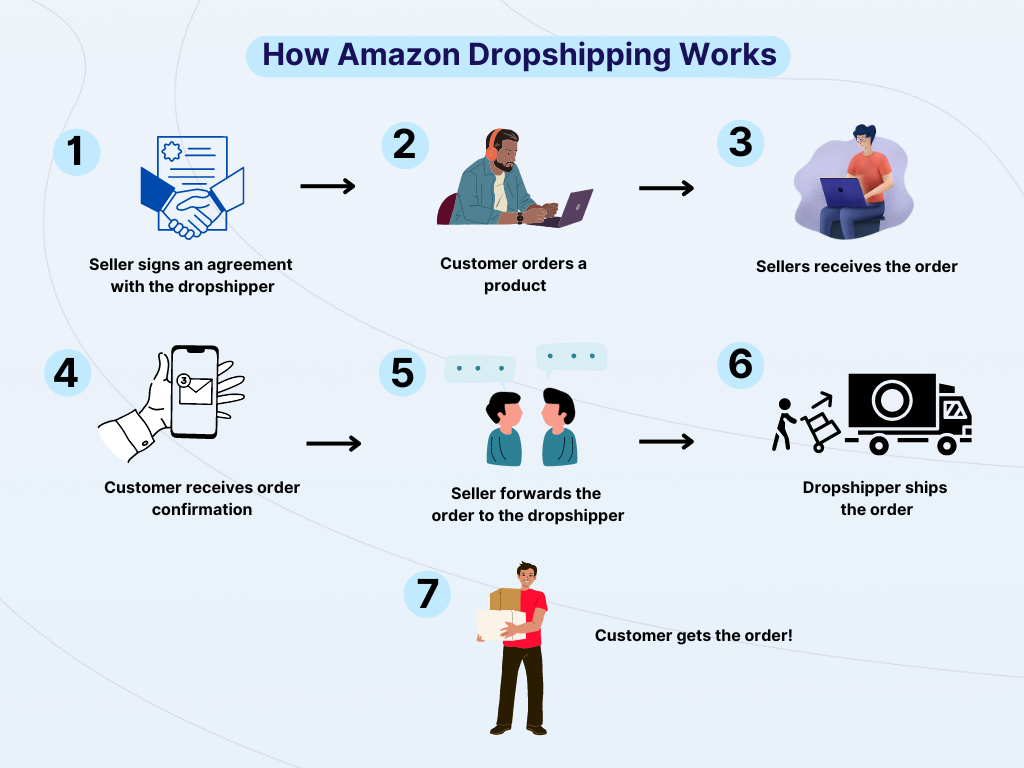
This long-form guide will walk you through exactly how to analyze Amazon Best Sellers, extract product insights, validate demand intelligently, and build a profitable dropshipping offer around it. To make everything practical, we’ll also break down a complete real-world case study where a dropshipping seller used Amazon data to pick, test, and scale a winning product—all through one-piece dropshipping (一件代发).
Let’s get started.
1. Why Amazon Best Sellers Is the Most Reliable Product Research Tool
Before diving into strategies, it’s important to understand why Amazon is such a powerful tool for dropshippers.
1.1 Real consumer demand
Amazon is not social media. There’s no fake engagement, vanity metrics, or marketing hype. The products on Best Sellers move because customers buy them—period.
1.2 Huge sample size
Google Trends tells you interest. TikTok shows viral topics.
But Amazon tells you who actually spends money right now.
1.3 Transparent categories and rankings
Amazon updates rankings hourly, and every product on the list is traceable:
-
Listing age
-
Review velocity
-
Price fluctuations
-
Competitor count
-
Variation performance
No other marketplace provides this level of visibility.
1.4 Direct inspiration for dropshipping
Many Amazon bestsellers are simple, low-cost products that suppliers on AliExpress, 1688, or Temu can easily fulfill.
Amazon does the market validation.
You build a better-priced, better-branded alternative.
2. How to Analyze Amazon Best Sellers Like a Professional Dropshipper
Many beginners simply browse Best Sellers and choose whatever looks trendy. That’s a mistake. The key is structured product analysis.
Here’s a step-by-step breakdown.
Step 1: Choose a Micro-Niche, Not a Broad Category
Avoid broad categories like:
-
Home & Kitchen
-
Pets
-
Beauty & Personal Care
These are too competitive.
Instead, pick micro-niches:
-
Reptile & amphibian heating (Pets → Reptiles & Amphibians)
-
Smart bathroom organizers (Home → Storage → Bathroom)
-
Portable fitness gear for travelers (Sports → Portable Exercise Equipment)
Micro-niches help you:
-
Find cheaper ads
-
Compete with fewer sellers
-
Position your brand better
Step 2: Look for Patterns, Not Just One Product
Winning products rarely exist alone. Look for clusters:
-
Several similar items
-
Repeated functions
-
Trending designs
For example:
-
6 different UV mosquito traps ranking → strong summer demand
-
10 heated pet bowls ranking → strong winter trend
-
Multiple silicone kitchen tools ranking → clear long-term market
Cluster = future opportunity.
Step 3: Analyse Review Growth (Review Velocity)
A product with:
-
Old listing + slow review growth → not ideal
-
New listing + fast review growth → booming demand
For dropshipping, we prefer:
Products launched in the last 3–9 months with rapid review increase.
These are signs of:
-
Rising demand
-
Fresh markets
-
Low saturation
Step 4: Check Price Stability
A volatile price indicates heavy competition.
A stable price signals sustainable profit margins.
Dropshipping prefers:
-
Price range $18–$50
-
Stable for at least 30 days
This price range is ideal for:
-
Affordable impulse buys
-
Comfortable ad costs
-
Good perceived value
-
Easy upsells
Step 5: Check Product Weight and Size
Dropshipping profitability often hinges on logistics.
Avoid:
-
Bulky
-
Heavy
-
Glass
-
Fragile
Ideal:
-
Under 1 kg
-
Fits in a shoe box
-
Compact and durable
This reduces:
-
Shipping cost
-
Return risk
-
Supplier errors
Step 6: Look for “Improve-able” Products
A good dropshipping product is:
-
Already selling
-
But has bad branding
-
And weak listing photos
-
And poor packaging
-
And not TikTok-friendly
-
And not marketed well
-
And not visually appealing
When you can improve a product’s presentation, you can outperform Amazon sellers—even with the same item.
3. Case Study: How One Seller Used Amazon Best Sellers to Build a Dropshipping Winner
Let’s break down a real, practical example.
The niche: Pet heating accessories (winter seasonal niche)
The product: Low-voltage waterproof heating pad for outdoor cats
3.1 How the idea was discovered
The seller browsed Amazon Best Sellers under:
Pet Supplies → Cats → Beds & Furniture
Noticed:
-
4 out of top 20 items were “heated pads”
-
Demand increased fast in October and November
-
Several products were newly listed (late 2023)
-
Thousands of reviews
This indicated a seasonal trend backed by real purchasing volume.
3.2 Competition check
On Amazon:
-
High demand
-
High competition
On TikTok and Shopify:
-
Very few stores running ads
-
Very few UGC videos
-
Almost no dedicated brand presence
This created a classic opportunity:
High demand + low social media competition = dropshipping goldmine.
3.3 Supplier validation
The product was available on:
-
AliExpress
-
1688
-
CJ Dropshipping
-
Temu wholesale
Main features:
-
Waterproof PVC layer
-
Thermostat control
-
24V low-voltage safety
-
Multiple size options
Landed cost: $12–15
Recommended retail price: $34.99–49.99
Margins: Strong enough for FB ads + influencer promos.
3.4 Why this product was suitable for dropshipping
-
Solves a real problem (cold weather)
-
Emotional product (“help outdoor cats stay warm”)
-
Easy to demonstrate in video
-
Not saturated on TikTok
-
Lightweight and durable
-
Good accessory upsell potential → blankets + pads + shelters
3.5 Building a unique selling angle
Instead of selling it as “a heating pad,” the seller positioned it as:
“Winter Protection Pad for Stray and Outdoor Cats — Keep Them Safe and Warm.”
This tapped into:
-
Animal lovers
-
Pet rescuers
-
TikTok animal communities
Emotional angles convert very well.
3.6 Ad creative strategy
Two winning styles:
A. Emotional storytelling
-
Clips of a shivering stray cat
-
Text overlay: “Winter is harsh on outdoor cats…”
-
Show the heating pad warming up
-
Show the cat resting comfortably
-
CTA: “Keep them warm this winter.”
B. Demonstration
-
Drop water on pad → show it’s waterproof
-
Show thermometer rising
-
Show durability tests
Both formats hit different buyer motivations.
3.7 The results
In the first 14 days:
-
$12,580 revenue
-
29% net margin
-
$3,600 profit
-
ROAS between 2.5–3.8
-
Surpassed 480 units sold
This was done with:
-
No inventory
-
No warehouse
-
1-person operation
-
Supplier-provided fulfillment
-
Amazon-proven demand
4. Turning Amazon Bestsellers Into Dropshipping Winners: Repeatable Framework
Below is a repeatable, step-by-step framework.
Step 1: Use Amazon to find demand
Check:
-
Best Sellers
-
Movers & Shakers
-
New Releases
-
Most Wished For
-
Gift Ideas (seasonal goldmine)
Step 2: Validate product trends
Use:
-
Google Trends
-
TikTok Creative Center
-
Dropship centers (AliExpress, Temu)
-
Pinterest search
Step 3: Check supplier availability
Evaluate:
-
Price
-
MOQ
-
Packaging
-
Shipping times
-
Warranty
-
Customization options
Step 4: Test with small budget ads
Start:
-
TikTok Spark Ads
-
Meta Reels Advantage+
-
UGC influencer campaigns
Step 5: Build a brand angle Amazon sellers don’t have
Examples:
-
Luxury version
-
Eco-friendly version
-
Pet-safe materials
-
Kid-safe
-
Aesthetic design
-
Better packaging
Branding = competitive edge.
Step 6: Optimize fulfillment
Use:
-
CJ Dropshipping
-
Zendrop
-
ShipBob
-
Local US warehouses (if scaling)
Fast shipping = higher conversion rate.
5. Signs That an Amazon Bestseller Will Work for Dropshipping
A high-potential product usually has:
-
New listing (<1 year old)
-
Many similar products trending
-
Emotional or problem-solving appeal
-
Good TikTok visual potential
-
Lightweight and easy to ship
-
30–50% profit margin possible
-
Evergreen or seasonal reliability
-
Easy differentiation
If a product meets at least 6 out of 9 of these, it’s a strong candidate.
6. What NOT to Pick From Amazon Best Sellers
Avoid:
-
Fragile home appliances
-
Oversized pet crates
-
Heavy kitchen machines
-
Complicated electronics
-
High-return categories
-
Trademarked products
-
Branded items
-
Medical-related items
-
Amazon-only innovations
These create refund, damage, or legal risks.
7. Bonus: 10 Amazon Categories Perfect for Dropshipping Product Extraction
Here are categories that repeatedly generate winning products:
-
Pet Supplies (seasonal accessories, grooming, heating)
-
Beauty Tools (simple mechanical tools)
-
Home Organization (storage, hooks, racks)
-
Automotive Accessories (organizers, cleaning tools)
-
Sports & Outdoors (portable gear)
-
Kitchen Gadgets (non-electric)
-
Baby Accessories (non-electronic)
-
Patio and Garden (summer/winter items)
-
Personal Care (low-risk items)
-
Smart Home Accessories (simplified versions)
Each category has hundreds of dropshipping-friendly items that buyers already trust.
Conclusion: Amazon Best Sellers Is the Most Powerful Free Product Research Tool for Dropshippers
Amazon is a real-time, global marketplace powered by true customer behavior. By studying its Best Sellers data, dropshippers gain unfair advantages:
-
Real demand validation
-
Clear niche insight
-
Proven purchasing signals
-
Avoid guessing
-
Avoid oversaturated items
-
Discover rising trends early
-
Build offers around emotional, functional needs
The case study proves the strategy works:
Find real demand on Amazon → create a better brand story → dropship it with faster content and ads.
If you use the research frameworks in this guide, Amazon Best Sellers will become your most consistent source of profitable product ideas—every season, every year.