














 En
En
 11 min read
Guess what? Dropshipping isn’t going away, it’s booming! According to the latest data, the global direct-to-consumer market is expected to reach $434.98 billion by 2025, and that number could jump to $224.76 billion by 2033.
This shows that dropshipping is still vibrant and evolving as more and more people choose to shop online.
So how do you, as a dropshipping company, stay competitive in 2024 and beyond? The secret lies in embracing new technologies, such as automation and artificial intelligence. These technologies help business owners select the best products, automate customer service, and run their businesses more efficiently. With these tools, dropshipping will become easier and more profitable, even as the market continues to grow. So dropshipping isn’t going away – it’s just changing and adapting to the future.
If you’re thinking about starting a dropshipping journey, don’t hesitate! Keep reading our blog and master the knowledge and strategies that will help you succeed!
Why is Dropshipping so popular?
The dropshipping business model has become one of the most widely used e-commerce models because it is ideal for beginners and relatively easy to get started with a reasonable budget. In addition, data suggests that the epidemic has played a positive role in the growth and popularity of the drop shipping business. Some 62% of U.S. adults surveyed said they visited brick-and-mortar stores less frequently, while another 52% reported an increase in online shopping activity.
The model continues to feature prominently in consumer preferences after the epidemic subsides, ensuring a bright future for the one-piece shipping industry.
Is Dropshipping Legal?
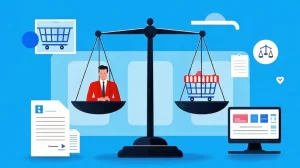
While this is a very broad question, generally speaking, the answer is yes – dropshipping is a legitimate business model. The direct sales model is by no means a wrong approach. It is simply a retail business model where the direct seller acts as an intermediary between the customer and the supplier, which is essentially what all brick and mortar retailers have been doing for years. Dropshipping is just the online version of it.
That said, you may need to check the laws and regulations in your country or where you want to sell your products. Certain types of products may not be legal to sell. If you’re not sure about anything, it’s best to consult a legal professional.
What Are the Pros and Cons of Dropshipping
Pros of Dropshipping
Easy to Start
One of the main reasons many choose dropshipping to embark on their entrepreneurial journey is its ease of entry. Even without prior experience, setting up a Shopify store and establishing a dropshipping business is a straightforward process.
No Inventory Management
You don’t need to purchase or manage inventory. You only pay suppliers when your store receives an order, which is beneficial for managing a business on a small budget. Additionally, since you’re not handling inventory, there’s no need to worry about maintaining products in a warehouse.
Lower Investment
Dropshipping businesses can start with lower investments since there’s no need to purchase inventory or invest in warehouses or fulfillment facilities. However, it’s important to note that this doesn’t mean you can start dropshipping without any expenses. Avoid falling into this trap. You’ll need a reasonable budget to manage your Shopify bills, advertising and marketing expenses, and other miscellaneous costs.

Allows You to Try Different Products
The dropshipping business model is highly flexible, allowing you to test different products before finalizing what to sell in your store. There’s no need to purchase large inventories, reducing significant risks. If a product doesn’t perform well, you can switch to another, conducting more market research and testing.
Cons of Dropshipping
● Intense Market Competition
It is obvious that, since this is a popular business model, you may also have to face competition from many similar businesses in the market. Additionally, your supplier might sell the same products to other store owners, meaning that many stores may offer identical products.
● Limited Quality Control
One of the biggest challenges of dropshipping is that you cannot fully control product quality. Sometimes, when you receive customer feedback, you may discover issues. That’s why finding a reliable supplier who can consistently provide high-quality products is crucial.
● Lower Profit Margins
Dropshipping can yield profits. However, we must not overlook the fact that you do need to pay fees to third parties for production, inventory management, and shipping. After all, they need to make a profit too. Consequently, this will somewhat reduce your profit margins.
● Limited Brand Building Potential
As mentioned earlier, customers might also purchase the same products from other stores. Moreover, depending on your supplier, it is possible that your brand (brand name and logo) may or may not be printed on the product packaging. All of these factors make it difficult to establish your brand.
Professional Tip:
- Explore Private Labeling: If you are serious about building your own brand, you should consider suppliers that offer private label products. Private label products are those not pre-branded by the manufacturer or supplier, allowing you to sell them under your own brand.
● Inventory Tracking Might Be an Issue
Although some dropshipping suppliers may provide real-time inventory tracking, it is not as reliable as tracking inventory in your own warehouse. You don’t want to run out of stock, especially when your products are in high demand. However, you must rely on your supplier to maintain sufficient inventory to manage your orders.
Dropshipping Tips for Profitability
Develop a Reliable Customer Acquisition Strategy
When opening a new online store, driving traffic to the website can be challenging. Before launching your store, you need to develop a strong customer acquisition strategy.
You can look at the budget required for paid ads on platforms like Facebook and Google.
Create cost-effective marketing strategies such as content marketing, social media marketing, email marketing, and more.
Focus on Search Engine Optimization (SEO)
This applies not only to dropshipping stores but also to any online store. SEO is one of the most important elements for driving organic traffic to your Shopify store.
To improve your store’s SEO, you need to work on optimizing your store’s content, using keywords correctly, optimizing images, improving speed, and more. 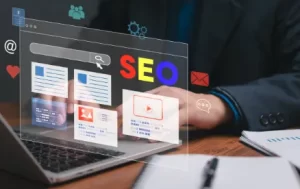
Optimize Your Product Selection
Instead of offering a wide range of products, focus on selecting high-quality, in-demand items with good margins. Keep an eye on market trends and customer reviews to identify which products are gaining popularity. Also, consider the profitability of each product—products with higher margins will result in higher profits with fewer sales.
Leverage Upselling and Cross-Selling
Increase your average order value by suggesting complementary products (cross-sells) or higher-end versions (upsells) when customers are checking out. For instance, if someone is buying a suitcase, you could offer them travel accessories like packing cubes, locks, or toiletry bags.
What is the Best Product Idea for Dropshipping?
While direct shipping on your behalf gives you the flexibility to sell a wide variety of products, deciding exactly what to sell in your store can be difficult. Before we get into a list of specific product ideas, let’s look at the general logic that can help you find products that have more potential to increase sales.

● Products Frequently Needed.
There are some products that we all need to restock on a regular basis. This can also give you the opportunity to build a subscription model into your business. For example, beauty and skincare products (such as cleansers, shampoos, body washes, and makeup) are often repeat purchases.
● Evergreen Gifts.
There are many occasions throughout the year when people like to give gifts to loved ones. Some gifts may only be needed during certain seasons or holidays, but others can be given as gifts regardless of the season.
For example, beautiful watches, personalized and customized photo frames, classic books, and high-quality perfumes are universal across seasons and occasions. Evergreen gifts often not only represent good wishes but also convey lasting sentimental value as they are suitable for birthdays and anniversaries as well as various holidays such as Mother’s Day and Valentine’s Day. Choosing the right evergreen gift will not only make the recipient feel your heart, but also bring warm memories at any time.
● Products for Business Clients:
Just as individual customers need to purchase certain products regularly, some business clients also require regular purchases. For example, if you sell stationery to business clients, you can build long-term relationships to secure ongoing business.
Additionally, some products may not require repeat purchases but are bought in bulk—for instance, office tools or equipment.
Now, let’s take a look at some of the top product categories and examples for direct marketing businesses:
● Digital Content Creation Tools
Considering the growing popularity of digital content creation, you have the perfect opportunity to sell products made specifically for such content creators. For example, many content creators need ring lights to produce the video content they publish on different platforms.
Here are some of the products in this category: portable chargers, tripods, microphones, camera lenses, backgrounds, and more.
Ring Lights product page on AliExpress
● Gaming Products
Gaming Products also offers you a wide variety of products that are in high demand due to people’s love for gaming. Here are some examples of gaming products: gaming keyboards and mice, gaming headsets, chairs, posture correctors, and more.
Pro Tip:
When brainstorming product ideas, always keep in mind that you should try to identify products that you are passionate about. In addition to checking the profit potential of the product, it is important to make sure that the product matches your values.
Conclusion
So, will dropshipping be extinct by 2025? Far from it – dropshipping is booming! If you want to stay ahead of the competition, now is the perfect time to open a dropshipping store or enhance an existing one. The sooner you get involved, the sooner you can enter this booming market and pave the way to success.
The DropSure platform will be your right hand in this process. With its powerful product selection, inventory management, order processing and logistics tracking services, DropSure can help you easily manage multiple direct sales outlets, allowing you to focus on business growth and market expansion. In addition, DropSure’s advanced automation tools streamline daily operations and increase efficiency, enabling you to respond quickly to changes in market demand. With DropSure, you’ll be able to stand out in a competitive marketplace and build a foundation for success.