En
En
 11 min read
Business Trend
In today’s rapidly evolving e-commerce landscape, Print on Demand (POD) has become a popular business model for entrepreneurs and creators looking to sell custom-designed products without having to worry about inventory, manufacturing, or shipping logistics. But what exactly is Print on Demand, and why is it gaining so much traction? Let’s break it down.
What Is Print on Demand?
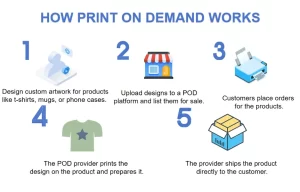
Print on Demand is a business model where products are only printed and manufactured when a customer places an order. This is in contrast to traditional retail models, where businesses need to produce large quantities of inventory in advance. With POD, you can create custom designs for items like t-shirts, mugs, phone cases, posters, and more, and only produce them when someone purchases the product.
This means you don’t need to invest in bulk stock, deal with warehousing, or manage shipping. Instead, POD services handle the printing, packing, and shipping directly to the customer, and you receive a percentage of the sale.
How Print on Demand Goes in Business?
Print on Demand (POD) has quickly become a powerful business model that benefits various stakeholders, from consumers to suppliers and even artists. It bridges the gap between creativity and commerce, offering flexible, low-risk opportunities for both entrepreneurs and consumers.
Let’s explore how POD satisfies consumer demands, creates economic benefits for suppliers, and provides invaluable support for creators.
Who Can Benefit from Print on Demand?
1. Entrepreneurs and Small Business Owners
POD offers a unique opportunity for budding entrepreneurs to start a business with minimal upfront investment. Traditional retail models require purchasing inventory in bulk, which can be financially risky. In contrast, POD allows business owners to sell customized products without worrying about production costs or stock management. With POD platforms handling production, fulfillment, and shipping, entrepreneurs can focus on what matters most—building their brand and attracting customers.
2. Consumers
POD directly benefits consumers by offering a wide variety of custom-designed products that are made to order. Whether it’s a personalized t-shirt, custom mug, or unique wall art, consumers can access products that are tailored to their tastes and needs. This customization adds a personal touch that traditional mass-produced goods lack. Additionally, because POD businesses don’t carry large inventories, products are often more unique and limited edition, appealing to consumers seeking one-of-a-kind items.
3. Suppliers and Manufacturers
For POD suppliers, the model eliminates the need to carry large inventories, reducing overhead costs. By printing only what’s ordered, suppliers are able to work more efficiently, minimizing waste and avoiding the risk of unsold stock. This on-demand production helps suppliers meet diverse customer needs with lower financial risk, while still profiting from the sale of each item. POD suppliers can also scale their operations without investing heavily in storage or excess manufacturing equipment.
How POD Meets Consumer Demand
1. Personalization
The growing demand for personalized and customized products is a key driver of the POD industry. Consumers want to express their individuality, and POD allows them to do so affordably. From family reunion t-shirts to customized home décor, POD caters to niche markets where mass production falls short. Whether it’s a name on a backpack or a one-off design on a pillowcase, POD gives consumers access to products that feel personal and unique.
2. Convenience and Accessibility
POD makes it easy for consumers to get exactly what they want, when they want it. With online stores offering a wide range of products and designs, consumers can browse through an array of options and find exactly what fits their needs—whether it’s a quirky gift, a statement piece, or a practical everyday item. The ability to shop for personalized goods online, from anywhere in the world, meets the modern consumer’s demand for convenience.
3. Trend Sensitivity
POD allows businesses to respond quickly to trends. For example, a POD store can create a product based on viral memes, seasonal events, or trending pop culture references and have it available for purchase within days. This flexibility satisfies consumer demand for timely, on-trend items without the need for long production cycles. As trends come and go, POD businesses can easily pivot and introduce new designs, ensuring they stay relevant to their audience.
What POD Products to Choose?
If you’re looking to start a POD business, one of the most important decisions you’ll make is choosing the right products to sell. In this part, we’ll explore some of the best-selling POD products and help you understand which ones could be a great fit for your store.
1. T-Shirts: The POD Staple
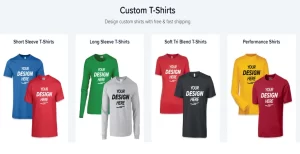
When it comes to POD products, custom t-shirts are by far the most popular choice for entrepreneurs. Why? Because t-shirts are affordable, versatile, and appeal to nearly every demographic. From humorous quotes to inspirational graphics, custom t-shirts offer endless creative possibilities.

Why T-Shirts Are a Top Choice
- Universal Appeal: Everyone wears t-shirts, making them suitable for all ages and genders. Whether you’re targeting teens, young adults, or even older generations, a well-designed t-shirt can resonate with a broad customer base.
- Low Production Costs: T-shirts are inexpensive to produce, which makes them one of the easiest ways to get started in the POD business. You don’t have to worry about high upfront costs or unsold inventory.
- Customization: With POD, you can create a wide variety of designs, from simple text-based designs to intricate graphics and illustrations. This makes t-shirts highly customizable and adaptable to different niches—whether it’s pop culture, sports, holidays, or motivational quotes.
2. Mugs: Practical and Personal
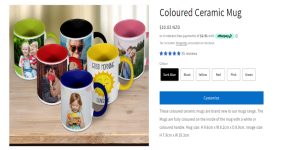
Another popular POD product is the custom mug. Whether it’s for a morning coffee or a cozy tea break, mugs are items people use every day, making them perfect for customization. Mugs also make great gifts, which is why they have a strong demand in the POD market.
Why Mugs Sell Well
- Gift Potential: Mugs are affordable and practical gifts. Personalized mugs for birthdays, holidays, or special occasions are always in demand.
- Custom Designs: Mugs provide a large, flat surface for creative designs. Whether you’re selling personalized mugs with names, inspirational quotes, or unique artwork, the design possibilities are endless.
- Low Shipping Costs: Mugs are lightweight and durable, which means they can be shipped easily and cost-effectively, making them a favorite for both businesses and consumers.
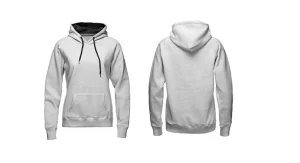
3. Hoodies & Sweatshirts: Cozy Customization
For those looking to sell apparel with a little more warmth, hoodies and sweatshirts are excellent POD options. Like t-shirts, these products offer customization opportunities, but with a slightly higher price point, which can lead to higher profit margins.
Why Hoodies and Sweatshirts Are Popular
- Seasonal Appeal: Hoodies and sweatshirts are popular year-round, but they have especially high demand during colder months. They’re perfect for fall and winter fashion, making them an ideal item for seasonal collections.
- Comfort and Style: Hoodies are seen as cozy, casual wear, making them popular for streetwear, loungewear, and athleisure niches.
- Customization: Just like t-shirts, hoodies offer plenty of space for creative designs—be it bold graphics, text-based designs, or even personalized elements.
4. Phone Cases: Practical and Stylish
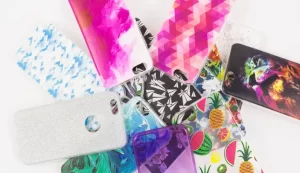
Custom phone cases are a must-have in the world of POD. Almost everyone owns a smartphone, and with each new model released, there’s an ongoing demand for trendy and functional phone cases.
Why Phone Cases Are a Good Option
- Wide Market Appeal: Phone cases are highly versatile, with the ability to target specific brands (iPhone, Samsung, etc.) and demographic niches (young adults, gamers, professionals).
- Design Flexibility: From minimalist patterns to intricate designs, there’s a wide range of possibilities for customizing phone cases. You can even offer personalized cases with names, initials, or favorite quotes.
- Affordable Production: Similar to t-shirts, phone cases are relatively low-cost to produce, which means they’re ideal for new entrepreneurs starting out in POD.
5. Tote Bags: Eco-Friendly and Trendy
With a growing focus on sustainability, custom tote bags have seen a rise in popularity. They’re practical, eco-friendly, and offer a unique space for creative designs.
Why Tote Bags Are Trending
- Eco-Friendly Appeal: As more consumers opt for reusable products, tote bags have become a fashionable, eco-conscious alternative to plastic bags. Many customers are willing to pay a little extra for a stylish and durable bag that can replace single-use plastic bags.
- Versatile Designs: Tote bags provide a large surface area for creative designs. From quirky illustrations to inspirational quotes, there’s no shortage of customization options.
- Practicality: Tote bags are not just stylish—they’re also functional. Whether for grocery shopping, carrying books, or going to the beach, customers appreciate the usefulness of a custom tote bag.
6. Posters and Prints: Artistic Expression
For those with an eye for design, custom posters and prints are a great POD product to sell. These products offer the chance to showcase artistic designs and cater to a niche market of art lovers and interior decorators.
Why Posters and Prints Are a Great Choice
- Affordable Art: Posters and prints are relatively low-cost to produce and ship, making them an affordable way for consumers to decorate their homes or offices.
- Artistic Appeal: Artists and graphic designers can use POD to offer their artwork in an accessible, print-friendly format. Whether it’s photography, graphic design, or illustrations, there’s a growing market for unique prints.
- Home Décor Trend: As home décor becomes a major consumer interest, personalized posters and prints are in high demand, especially with millennials and Gen Z.
In conclusion, Print on Demand offers a low-risk way for entrepreneurs to sell custom products without worrying about inventory or fulfillment. A great platform for getting started is DropSure, which simplifies the POD process with reliable production, fast shipping, and quality control. As the POD trend grows, DropSure helps businesses scale quickly and efficiently, making it easier to launch and manage custom products online.