< Blogs

10 Ways to Find Best-Selling Dropshipping Products

Vivan Z.
Created on October 11, 2025 – Last updated on October 11, 20253 min read
Written by: Vivan Z.

Finding best selling products is crucial for the success of your dropshipping business, especially when you need to quickly capitalize on trends. Here are 10 effective methods to help you discover potential top-sellers:

1. Research Your Competitors

  • Check out competitors’ websites, social media profiles, and product pages on platforms like Amazon or eBay. Tools like SimilarWeb and SpyFu can help you understand where your competitors’ traffic comes from and what products are performing well.

2. Leverage AliExpress

  • AliExpressis one of the most popular dropshipping platforms, and it features a “Hot Products” section that showcases trending products. Pay attention to order volume, reviews, and ratings to gauge the popularity of products.

3. Monitor Social Media Trends

  • Keep an eye on Instagram, TikTok, and Facebook to see what products users are talking about or tagging in posts. Viral content, especially on TikTok’s ” TikTok Made Me Buy It “section, can highlight trending products that might be worth selling.

4. Google Trends Analysis
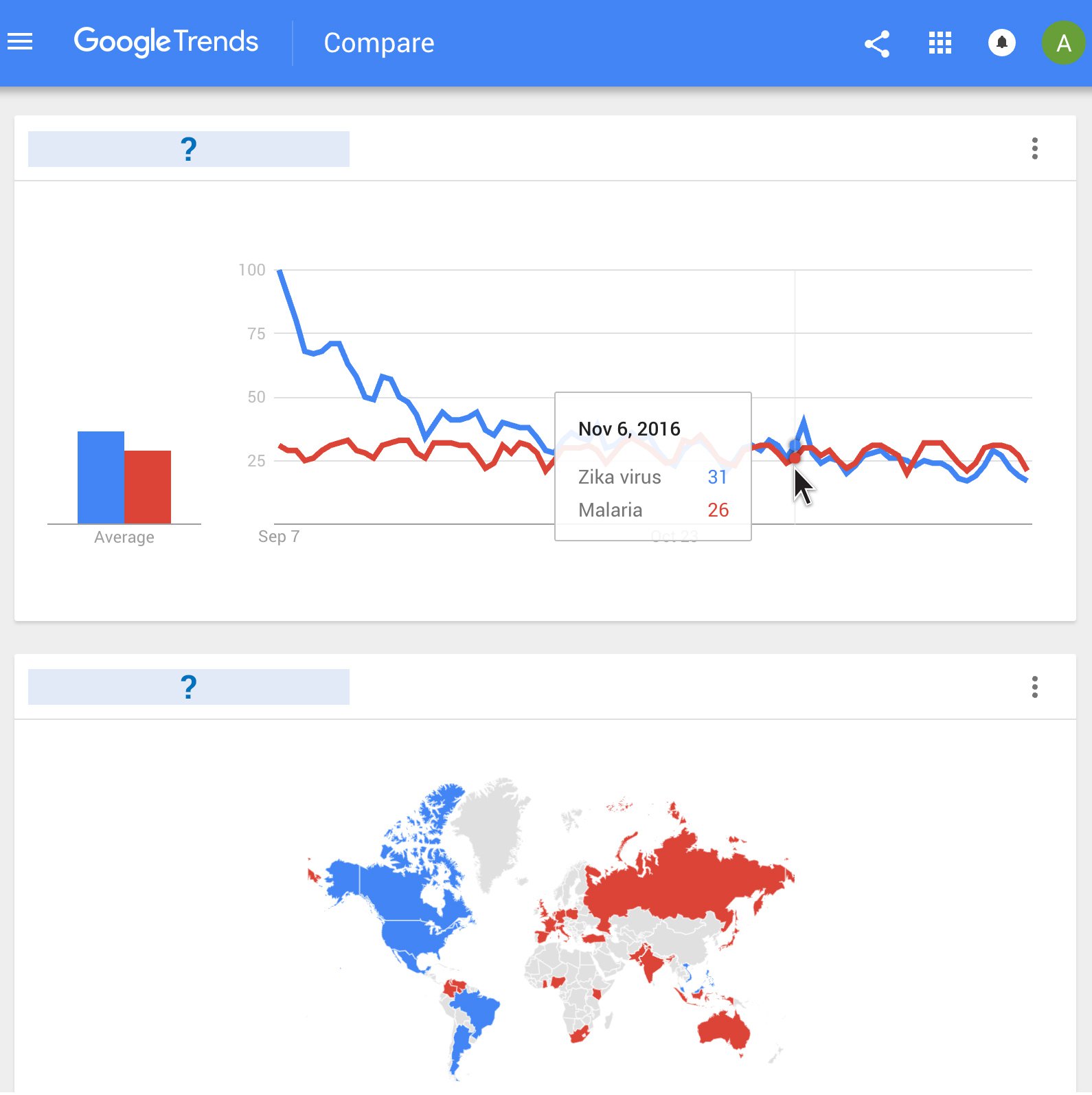
  • Use Google Trends to analyze the search volume and trends for specific products. This tool lets you track the popularity of keywords over time and can help you identify products with increasing demand.

5. Utilize Tools like NicheSpy & SaleHoo

  • Tools like NicheSpy and SaleHoo provide databases of trending dropshipping products. You can use these to filter for top-selling products in your niche and get detailed analytics about market demand.

6. Check eBay and Amazon Best Seller Lists
10 Ways to Find Best-Selling Dropshipping Products

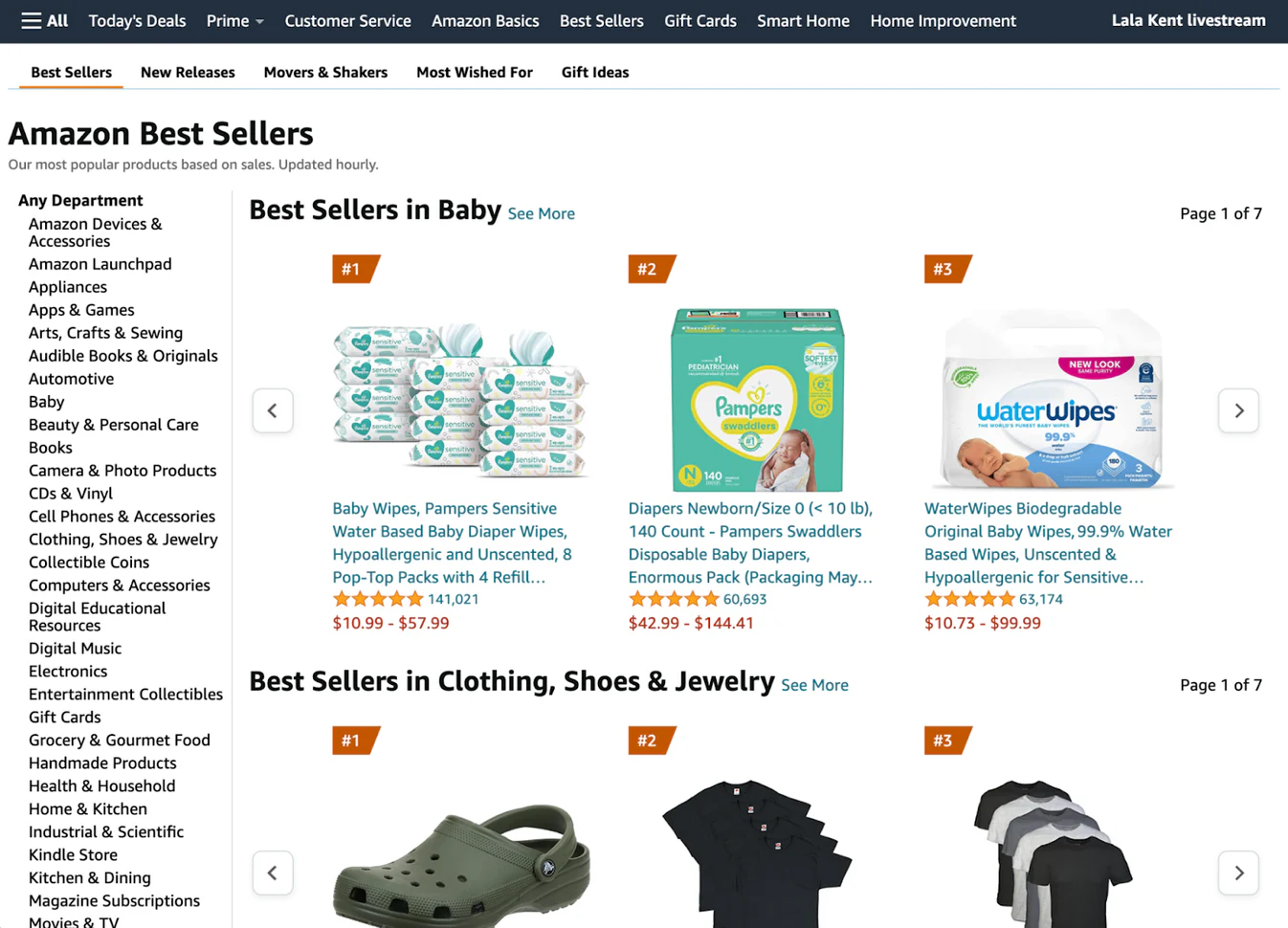
  • Browse the Amazon Best Sellerand eBay Top Rated lists to discover products that are currently in high demand. These lists often highlight products that are popular among buyers and reflect current market trends.

7. Explore Reddit and Quora Discussions

  • Platforms like Redditand Quora offer valuable insights into what products people are talking about. Check out trending discussions and customer recommendations to spot in-demand products.

8. Look at Customer Feedback and Reviews

  • Analyze product reviews and ratings on e-commerce websites like Amazon or AliExpress. Focus on products with high ratings and lots of positive feedback, as these are often the most well-received by consumers.

9. Monitor Your Competitors’ Ads

  • Use Facebook Ads & Google Ads Library to check out the ads that your competitors are running. If certain products are being heavily promoted, it could indicate a high level of interest and demand in the market.

10. Join Drop shipping Communities and Forums

  • Participate in dropshipping forums and Facebook groups to connect with other sellers and industry experts. These communities often share tips, insights, and product recommendations that can help you identify the next big trend.
Finding best selling products is crucial for the success of your dropshipping business, especially when you need to quickly capitalize on trends. Here are 10 effective methods to help you discover potential top-sellers: 1. Research Your Competitors Check out competitors’ websites, social media profiles, and product pages on platforms like Amazon or eBay. Tools like SimilarWeb and SpyFu can help you understand where your competitors’ traffic comes from and what products are performing well. 2. Leverage AliExpress AliExpress is one of the most popular dropshipping platforms, and it features a “Hot Products” section that showcases trending products. Pay attention to order volume, reviews, and ratings to gauge the popularity of products. 3. Monitor Social Media Trends Keep an eye on Instagram, TikTok, and Facebook to see what products users are talking about or tagging in posts. Viral content, especially on TikTok’s "TikTok Made Me Buy It" section, can highlight trending products that might be worth selling. 4. Google Trends Analysis Use Google Trends to analyze the search volume and trends for specific products. This tool lets you track the popularity of keywords over time and can help you identify products with increasing demand. 5. Utilize Tools like NicheSpy & SaleHoo Tools like NicheSpy and SaleHoo provide databases of trending dropshipping products. You can use these to filter for top-selling products in your niche and get detailed analytics about market demand. 6. Check eBay and Amazon Best Seller Lists Browse the Amazon Best Seller and eBay Top Rated lists to discover products that are currently in high demand. These lists often highlight products that are popular among buyers and reflect current market trends. 7. Explore Reddit and Quora Discussions Platforms like Reddit and Quora offer valuable insights into what products people are talking about. Check out trending discussions and customer recommendations to spot in-demand products. 8. Look at Customer Feedback and Reviews Analyze product reviews and ratings on e-commerce websites like Amazon or AliExpress. Focus on products with high ratings and lots of positive feedback, as these are often the most well-received by consumers. 9. Monitor Your Competitors' Ads Use Facebook Ads & Google Ads Library to check out the ads that your competitors are running. If certain products are being heavily promoted, it could indicate a high level of interest and demand in the market. 10. Join Drop shipping Communities and Forums Participate in dropshipping forums and Facebook groups to connect with other sellers and industry experts. These communities often share tips, insights, and product recommendations that can help you identify the next big trend. By combining these methods, you can not only identify the best-selling products but also stay ahead of future market trends. The key is to constantly monitor and adjust your product offerings to meet changing consumer demands. Let me know if you'd like any of these methods explained further or if you need help with a specific strategy!

By combining these methods, you can not only identify the best-selling products but also stay ahead of future market trends. The key is to constantly monitor and adjust your product offerings to meet changing consumer demands.

Let me know if you’d like any of these methods explained further or if you need help with a specific strategy!


DropSure is Your Best Partner
22 Years Experience
Affiliate Rebates
100% Quality Guarantee
Top-Up Rewards
10+ Global Warehouses
Custom Branding Support
Smart inventory System
24/7 Customer Support
Get a Quote in 24 Hours
Start Sourcing for Free

Keep Learning

Ever thought about making big money with an online store without worrying about making or storing products? That’s the magic of dropshipping! You set up a business, sell products worldwide, and never even touch them. In this article, I’ll walk you through the potential risks you may face in dropshipping and the laws you need to know before getting started. This will help you navigate the business more smoothly and set yourself up for success in the dropshipping world. What is dropshipping? Dropshipping is a retail model where the dropshipper focuses on sales, marketing, and customer service, while third-party suppliers handle manufacturing and fulfillment. When a customer places an order, the retailer passes it to a supplier, who then packages and ships the product. This business model is especially popular with e-commerce retailers because it reduces the costs of starting and running an online store. Is dropshipping worth it now? The future looks promising. As global e-commerce rapidly grows and consumer shopping habits shift, dropshipping continues to be a popular model. Its low cost and flexibility make it ideal for small businesses and entrepreneurs. Plus, advances in supply chain technology are set to boost efficiency and expand its global reach. Is dropshipping legal? Yes, dropshipping is legal and a popular business model where retailers don’t keep stock. Instead, when a customer orders, the retailer passes it to a supplier or manufacturer, who ships the product directly to the customer. However, like any business, dropshipping retailers must follow local, national, and international laws for selling goods. As long as you stick to the rules, dropshipping is generally low-risk, with minimal personal or product liability. However, it’s smart to have a lawyer […]

In 2025 and there are tons of dropshipping resources for newbies. You have access to free courses or can pay for courses led by experts. There’s something for every skill level and budget. If your goal is to learn Shopify, or find trending products, or run ad campaigns, there is a course for you. This guide covers the best courses and their main features. We will also share some bonus learning tips. Alright, time to pull out a notebook and some comfy pants because we are getting your dropshipping dreams going! Why Should You Take A Dropshipping Course? Starting a dropshipping business can feel like trying to assemble a puzzle without all of the pieces. You have to choose the right products, set up a working store, and market like a pro. It can feel overwhelming. Thankfully, dropshipping courses can point you in the right direction. It’s like having a personal tutor who walks you through everything. You will discover how to find trending products, create a professional-looking store, and manage profitable ad campaigns. If you want to start a side hustle, or leave your 9-to-5 job, the right course can change the game. It’s like having a roadmap. Why struggle along a path of trial and error when you can learn from someone who has already blazed the trail? The best part? These are courses for all levels. You will find a course that is training for you whether you are starting or wanting to up your game! Key Courses Overview If you are prepared to begin dropshipping, selecting the proper course is critical. Here’s a closer look at the top courses for 2025 and what sets each of them apart. Dropship Lifestyle (DSL) If you are serious about building a long-term, sustainable dropshipping business, Dropship Lifestyle (DSL) […]

It has become a mainstream purchasing factor, reshaping how consumers choose products—and how businesses select what to sell. For dropshipping sellers, this shift represents both an opportunity and a challenge. Eco-friendly products promise: Strong emotional appeal Long-term demand stability Higher brand trust But they also raise critical questions: What actually qualifies as “sustainable”? How do you avoid greenwashing? Can eco-friendly products be profitable in a dropshipping model? This article explores how to identify, evaluate, and scale sustainable products in dropshipping, moving beyond buzzwords to practical selection strategies. 1. Why Eco-Friendly Products Are Gaining Momentum The rise of eco-friendly products is driven by several converging forces. Consumer Awareness Has Matured Today’s consumers: Research products before buying Question materials and sourcing Expect transparency, not slogans Eco-conscious buyers are not just idealists—they are informed decision-makers. Regulation and Platform Pressure Marketplaces and governments increasingly: Restrict harmful materials Encourage sustainable packaging Penalize misleading environmental claims Selling eco-friendly products is becoming less optional over time. Brand Trust and Differentiation In crowded dropshipping markets, sustainability: Creates emotional connection Reduces pure price competition Supports long-term brand building This is especially valuable for independent sellers. 2. Sustainability in Dropshipping: Myth vs. Reality Many sellers assume: Eco-friendly products are expensive Sustainable sourcing is incompatible with dropshipping “Green” is just a marketing label In reality, sustainability exists on a spectrum, not as an absolute. Even small improvements—when honest—matter. 3. What Makes a Product Truly Eco-Friendly? To select sustainable products, you must understand where environmental impact comes from. Key dimensions include: Materials Manufacturing Packaging Usage phase End-of-life disposal No product is perfect—but some are clearly better. 4. High-Potential Eco-Friendly Product Categories for Dropshipping Certain categories naturally align with sustainability. Reusable Daily Essentials […]

Recommended for you